1. Thin Boxes That Fail Under Real Menu Conditions
Thin food boxes hold up fine on a supplier’s sample table. They fall apart when they meet your actual food.
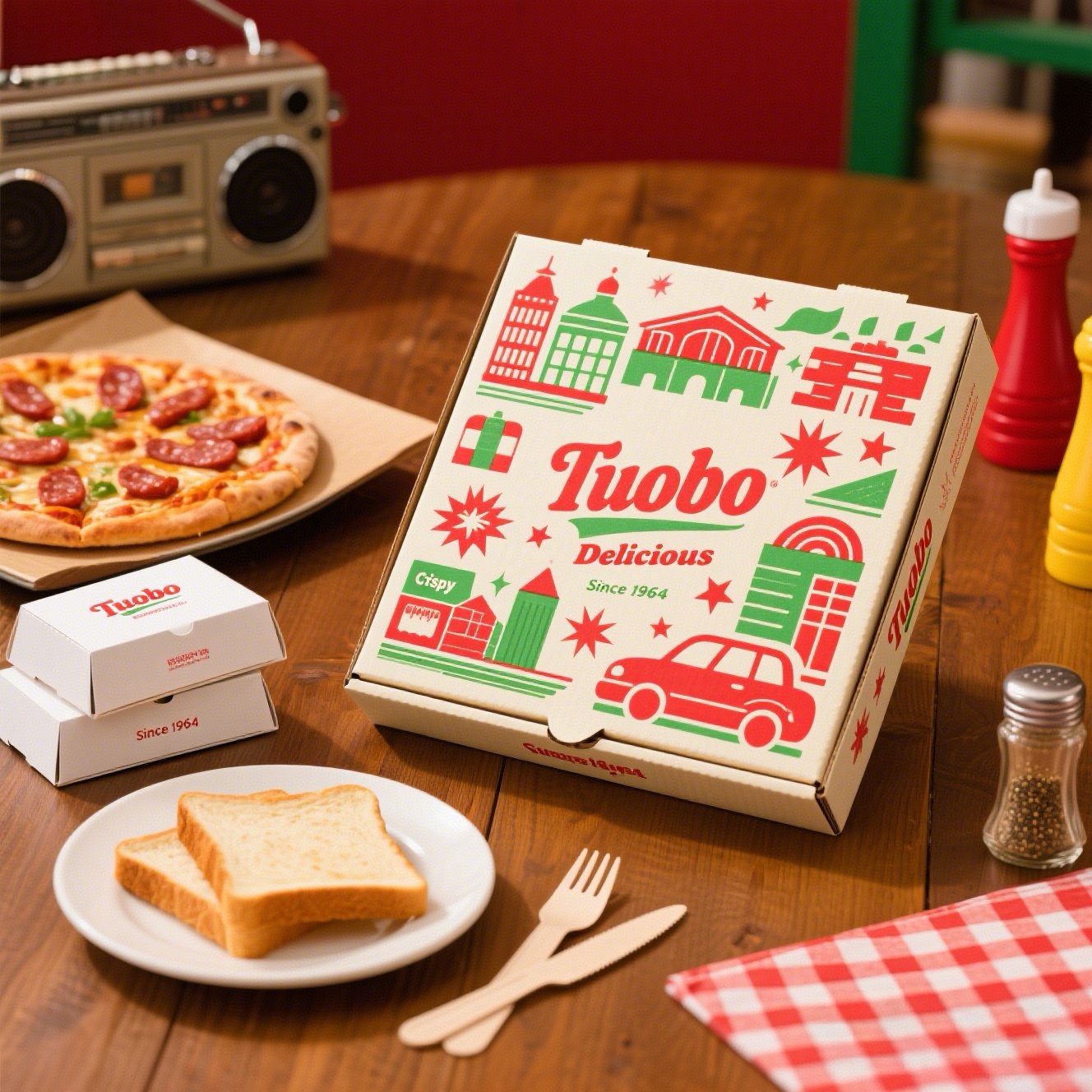
A pizza box that works for a small cheese pie may buckle under a loaded supreme with extra toppings. The top collapses, cheese sticks to the lid, and the customer opens the bag to a squashed mess — that’s a 1-star review before they even take a bite.
For pizza shops, custom pizza boxes are not about looking premium. They are about holding structure through 30 minutes of trapped heat, steam, and weight inside a delivery bag.
We worked with a 12-location pizza chain in the Midwest that switched to a lighter board to save 1.5 cents per box. Within three weeks, complaints about squashed tops on large pies increased noticeably. The small per-box savings disappeared through comped pizzas and refund requests long before the first bulk order was fully recovered.
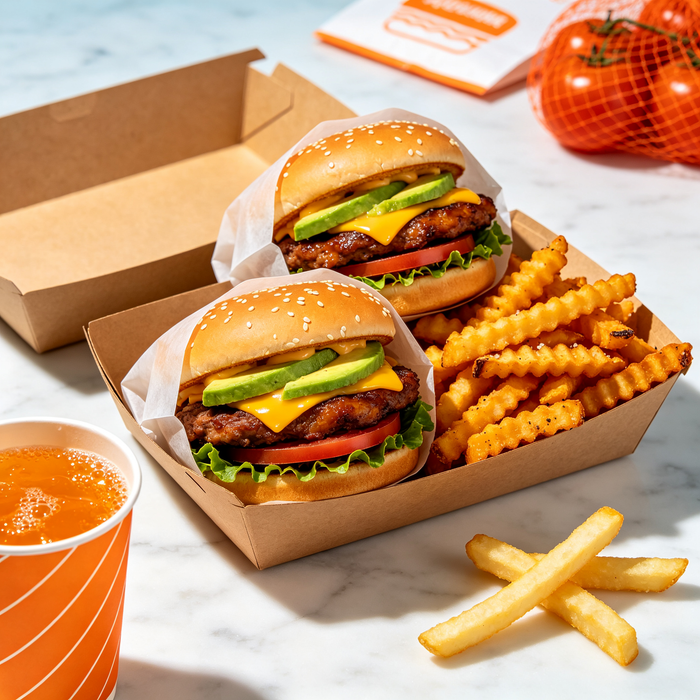
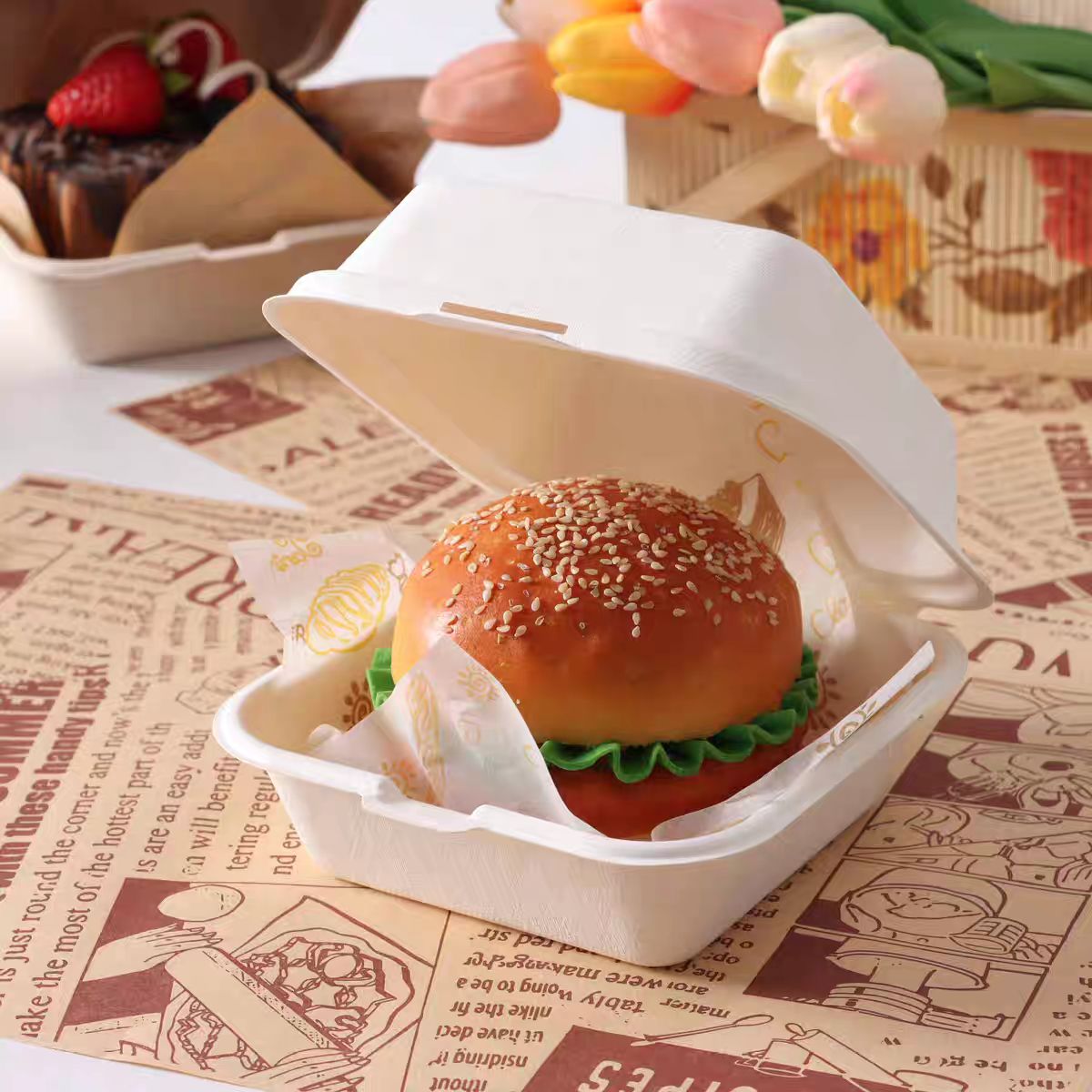
The same rule applies to burgers, pasta, and other heavy, hot meals.
Catering and meal prep operations have another challenge: packaging needs to stack securely, travel well, and still look presentable when it reaches the customer.
Don’t ask if the box is cheap.
Ask how it performs after sitting with your hottest menu item for 30 minutes.
2. Grease Leakage That Makes Customers Blame Your Food
Fried food is one of the hardest items to package correctly.
Wings, fried chicken, fries, and oily snacks create three linked problems:
- oil soaking through paper;
- trapped steam making crispy food soft;
- grease stains that look unprofessional.
Grease spots don’t just look messy — they make customers assume your food is low quality.
Every supplier will say their paper is “oil resistant.”
Don’t take the sales line.
Ask a real question:
“If you put 160°C fried chicken in this box for 20 minutes, does oil come through?”
Test it with your own menu, not a generic sample.
One fried chicken shop switched to a cheaper uncoated board to cut costs, and customers started complaining about greasy bags and oily fingers within two weeks. Many assumed the oil came from poor frying quality rather than the packaging.
There is no perfect solution here.
Fully sealed boxes trap steam and make crispy food soggy. Uncoated paper may leak oil.
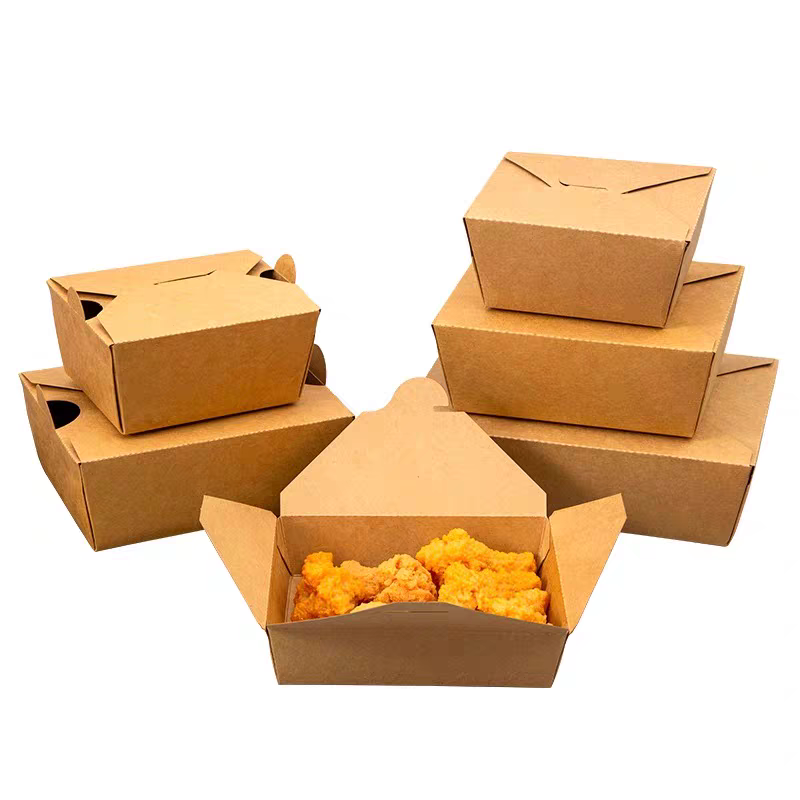
The right custom fried food boxes balance grease resistance with ventilation, based on the actual food being served — not just a printed box design.