Choosing the right paper cup does not require complex technical knowledge. The key factors for business decisions are compliance, real-world performance, actual cost, and avoiding future operational problems.
2.1 2026 Compliance Risks
The most urgent issue is simple: shipment delays or compliance penalties can quickly affect quarterly profits.
PE lined cups carry the highest compliance risk. They are one of the main targets of 2026 restrictions, and many PE cup solutions use PFAS-based grease resistance treatments, creating challenges under new chemical regulations across major markets.
Compostable plastic cups remain in a complicated regulatory position. They are plant-based materials, but under PPWR requirements they are still classified as plastic. Many PLA formulations also rely on PFAS for grease resistance. In Q2 2026, we have already seen PLA shipments facing inspection issues at European ports.
PFAS-free paper cups, including water-based coated cups, provide a more reliable compliance option: no plastic layer, no PFAS, and fewer customs clearance concerns. We are not completely against PLA. For closed-loop applications such as events with industrial composting facilities or universities with their own composting systems, PLA can still be suitable. However, it is not designed for standard public retail environments.
2.2 The Reality of Waste Disposal
Many brands talk about composting and recycling, but few explain what actually happens after customers dispose of their cups.
PE cups cannot be recycled together with standard paper. Current recycling systems cannot economically separate the plastic layer from paper fibers at large scale. As a result, many PE cups eventually go to landfill. PLA lined cups are promoted as compostable, but they require controlled industrial composting conditions, including stable high temperatures. Many households and local facilities do not have access to these systems.
If PLA cups enter standard paper recycling streams, they may contaminate paper pulp and reduce recycling efficiency.
Water-based cups can enter standard paper recycling systems without additional sorting or special treatment. The coating can separate during the pulping process, allowing paper fibers to be recovered and reused. Like all paper products, excessive leftover beverage residue can still affect recycling results.
2.3 Actual Usage Performance
Most negative feedback about water-based cups comes from users of early 2022 versions. Current products have improved significantly and can meet everyday foodservice requirements.
The latest water-based coating provides strong grease resistance for food packaging applications, with performance comparable to PE and better than many PLA coatings. It can hold hot beverages for extended periods without becoming soft, handle cold drinks at low temperatures, and maintain reliable leak resistance.
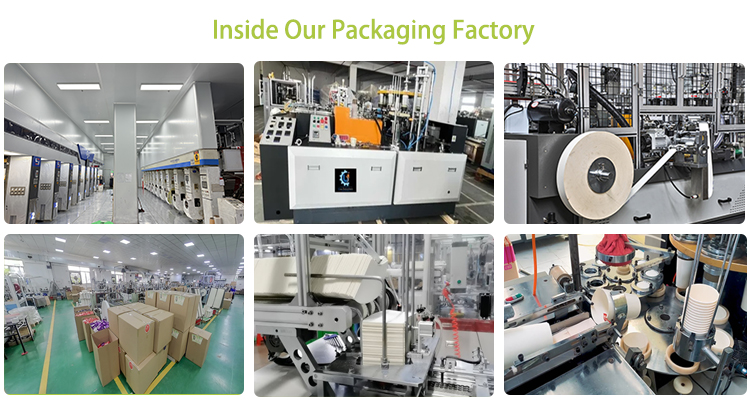
Our production testing covers applications including hot coffee, iced lattes, and takeaway food packaging. The leakage performance is comparable with high-performance PE cups.
PLA begins to soften at higher temperatures, which is why some users have experienced soft cups during hot beverage service. For extremely high-temperature applications, PE may still be suitable. However, aqueous coated cups can cover most coffee shop, restaurant, and takeaway beverage scenarios.