1. Remove packaging layers that customers do not actually need
Before searching for new materials, look at whether the current packaging is doing too much.
A lot of small brands add packaging layers because they want the product to feel more special. The problem is that every additional component creates another cost: purchasing, storage, assembly, shipping weight, and disposal after use.
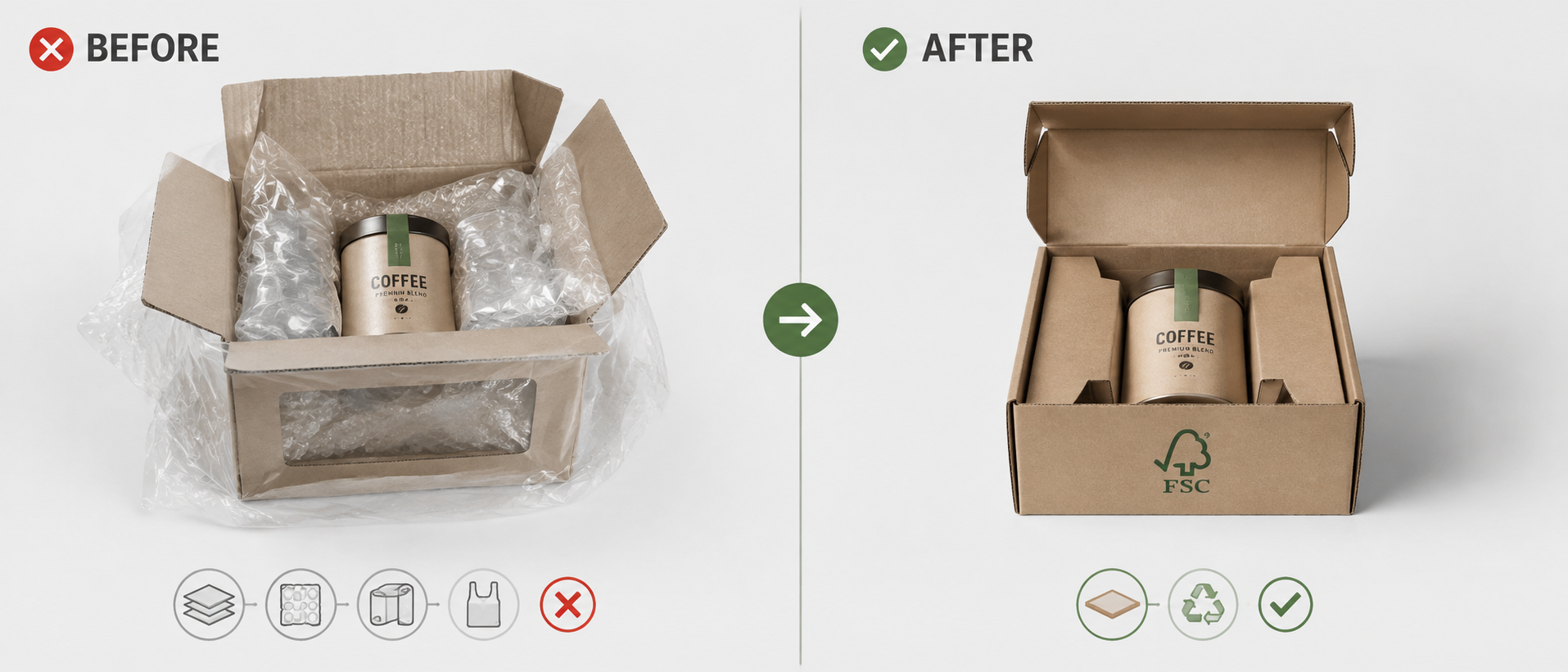
A gift product that currently ships with an outer box, inner plastic sleeve, paper insert, and extra wrapping paper can often be replaced with one properly sized recyclable paper structure. The brand buys less material, uses less warehouse space, and the customer does not have to sort four different items into the recycling bin.
This is also one of the simplest ways to reduce PPWR packaging costs because it improves efficiency without requiring a completely new material.
Before asking “What greener material should we buy?”, ask “Which parts of this packaging are actually necessary?”
2. Choose simpler, single-material packaging structures
Single-material packaging is becoming one of the most practical choices for brands preparing for PPWR.
A common issue in retail packaging is not the paper or plastic itself, but the combination of different materials. A paper bag with plastic film, heavy lamination, or mixed components may create recycling challenges because the materials need to be separated.
A simpler structure is often easier to manage.
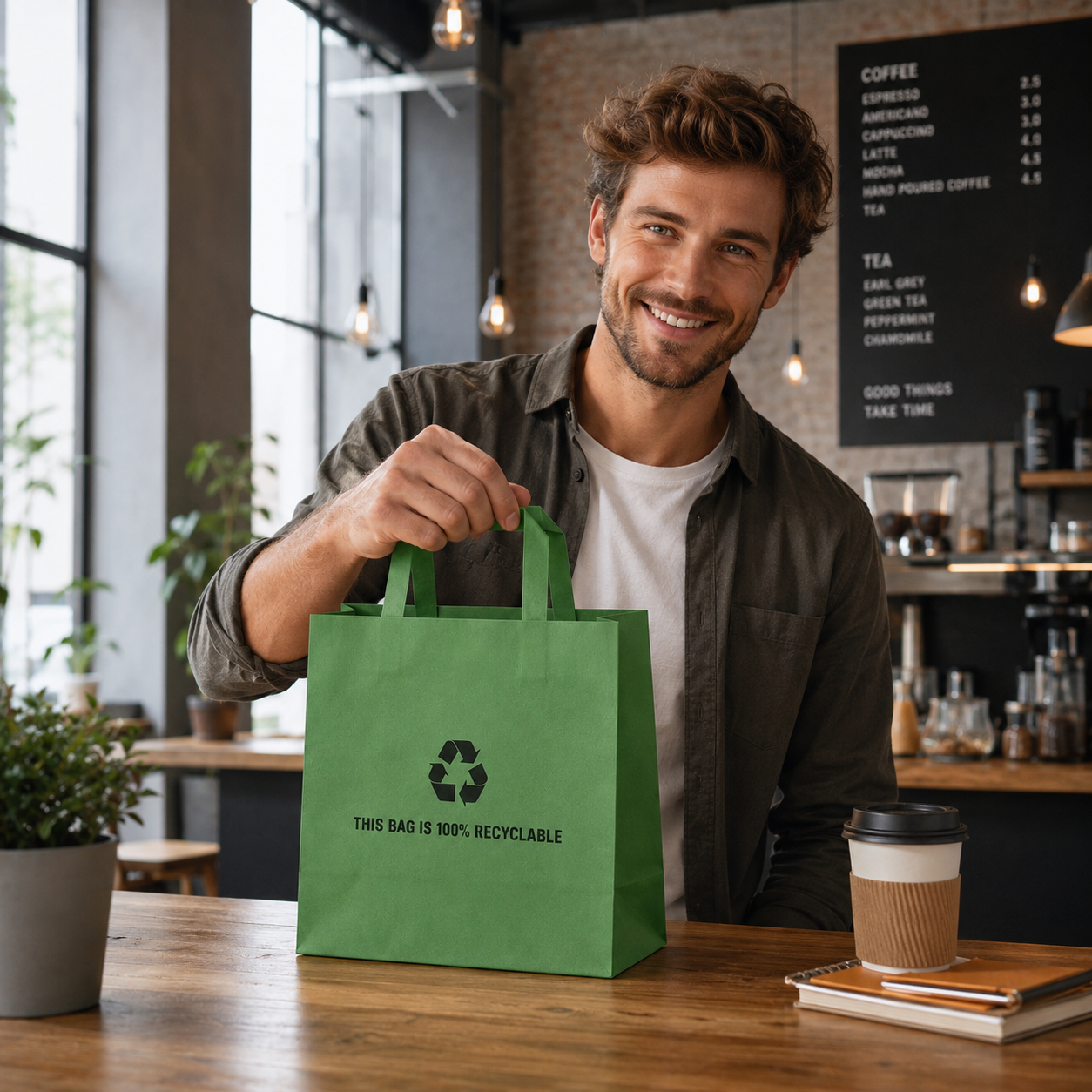
For example, replacing a complex paper-plastic combination with a recyclable paper bag can improve end-of-life handling while keeping production relatively straightforward.
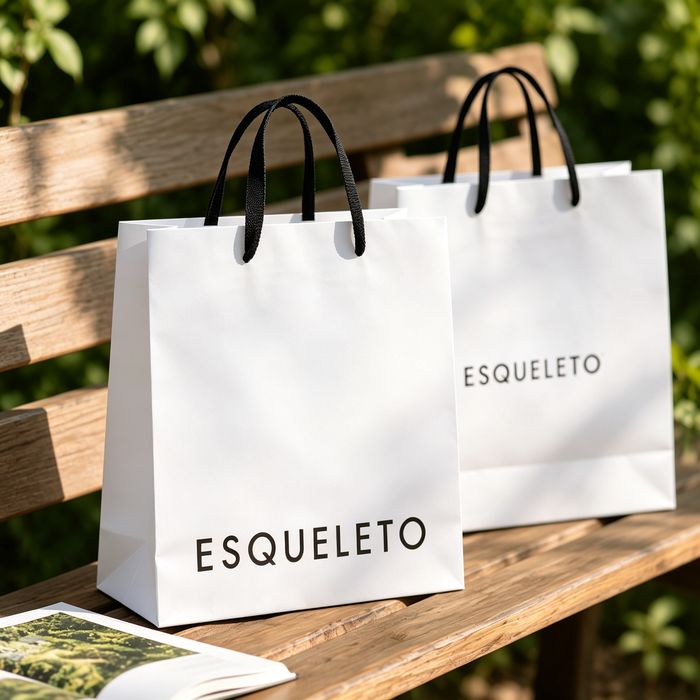
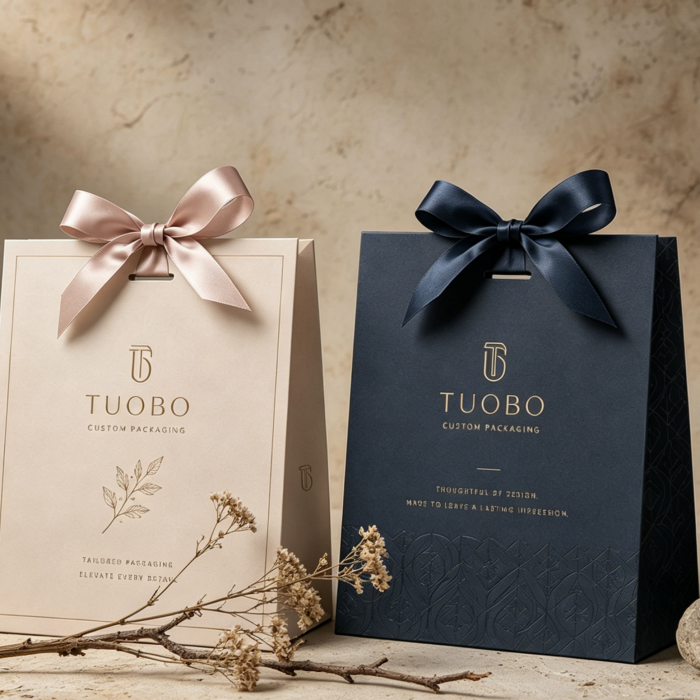
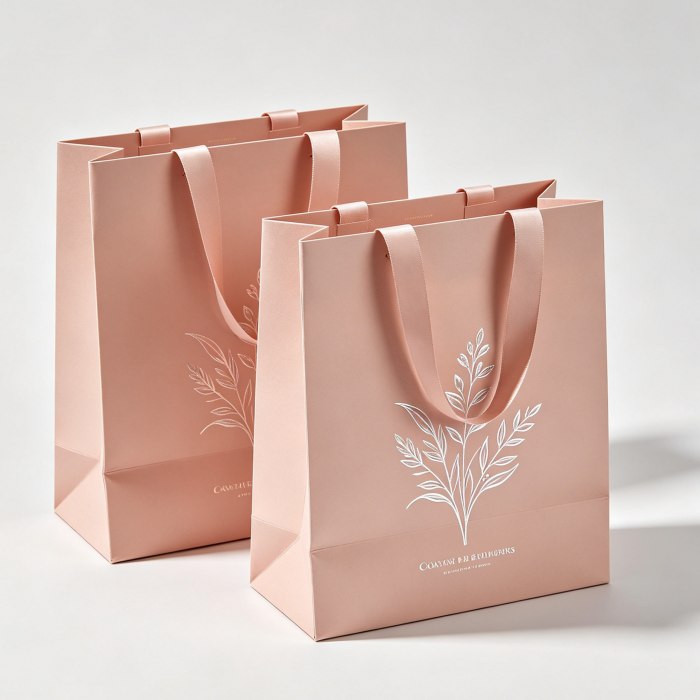
Brands sourcing PPWR compliant paper bags wholesale can review FSC certified recyclable paper bags, which use responsibly sourced paper materials and existing certification systems instead of requiring completely new packaging development.
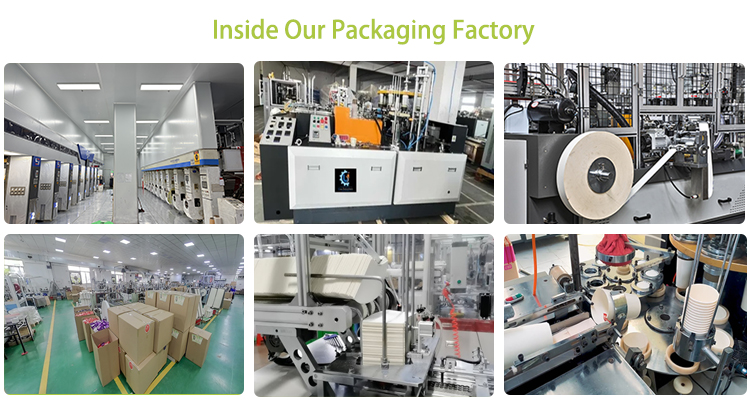
This is especially relevant for recyclable packaging for small brands because many suppliers already produce these materials at commercial scale. The brand is not paying for a completely experimental solution — it is selecting a structure that already exists.
3. Reduce oversized packaging and stop shipping empty space
PPWR puts more attention on unnecessary packaging volume. For ecommerce brands, this is not just a compliance issue — it is money already being spent on shipping air.
Oversized boxes increase costs in several places at the same time. They use more material, take up more warehouse space, and may increase shipping charges because many logistics providers calculate fees based on package dimensions.
A small packaging adjustment can have a noticeable effect. Reducing a shipping box size by 15-20% across thousands of orders can lower transportation and storage costs without changing the product itself.
This is why right-size packaging is one of the easiest ways to prepare for PPWR without increasing costs. It is not an additional sustainability expense. It is simply better packaging planning.
For ecommerce brands, review the products with the highest shipping volume first. A small improvement on a best-selling SKU usually creates a bigger impact than redesigning a low-volume product.