Paper
Packaging
Manufacturer
In China

Tuobo packaging is committed to providing all disposable packaging for coffee shops, pizza shops, all restaurants and bake house, etc , including coffee paper cups, beverage cups, hamburger boxes, pizza boxes, paper bags, paper straws and other products.

All packaging products are based on the concept of green and environmental protection. Food grade materials are selected, which will not affect the flavor of food materials. It is waterproof and oil-proof, and it is more reassuring to put them in.

8 Custom Packaging Mistakes to Avoid in 2026

Last Updated: July 28, 2026 | By Tuobo Packaging Team, 10+ Years in Custom Packaging Supply Chain

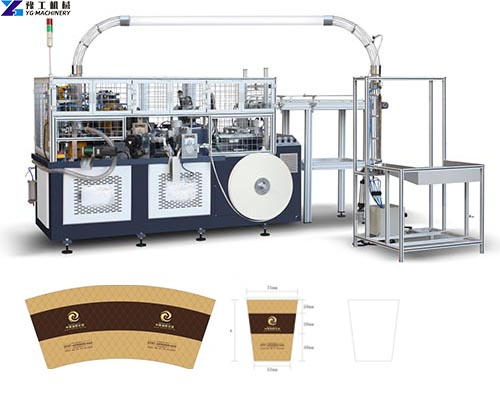
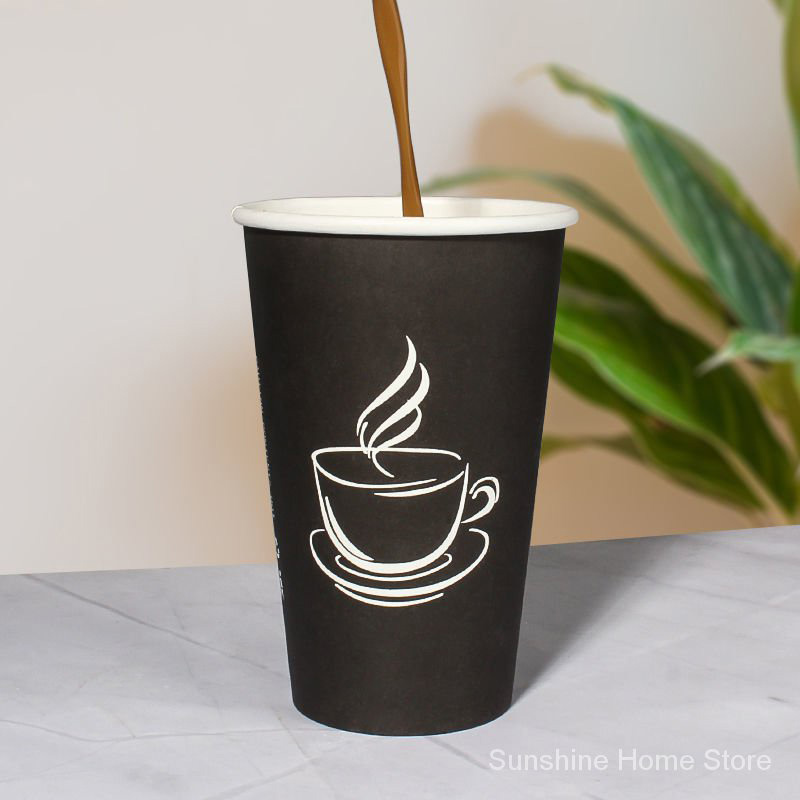
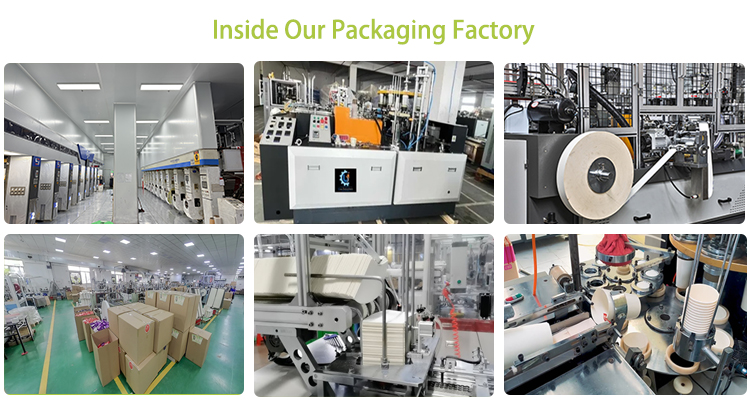
High speed automatic paper cup making machine, disposable eco paper cup manufacturing equipment for custom branded beverage cup mass production

Introduction: Why Custom Packaging Mistakes Cost More in 2026

Audit data from 1,200+ brand launches shows that 32% of first-time custom packaging orders face preventable issues, causing production waste, launch delays, or EU customs problems — with losses reaching $8,000 to $25,000.

In 2026, stricter EU PPWR enforcement and PFAS food-contact requirements make these mistakes even more expensive. Many suppliers still lack updated compliance documents, creating risks that are difficult to fix after production.

For brands researching what to know before ordering custom packaging, the key lesson is simple: most costly mistakes happen before manufacturing starts.

The biggest custom packaging mistakes include skipping samples, choosing quotes based only on price, missing compliance checks, approving wrong dimensions, miscalculating FBA costs, overspending on finishes, unclear quality standards, and ordering too late.

Below are 8 common mistakes found during packaging audits — and how to avoid them before production begins.

Skipping written pre-production sample approval to meet tight launch deadlines

Skipping written pre-production sample approval to meet tight launch deadlines is the #1 cause of total custom packaging production loss, responsible for 28% of costly errors we audit.

This situation happens more often than people think. A brand is close to launch, the supplier says the artwork file looks good, and everyone decides to move forward without checking a physical sample. It saves a few days.

Then the shipment arrives.

The color is slightly different. The material feels wrong. The product does not fit because the structure is smaller than expected. A 1mm difference may sound minor, but in packaging production, it can make an entire batch unusable.

Before you sign off on mass production, do these 3 things — no exceptions. We’ve seen too many brands lose five-figure sums trying to save 3 days:

  • Request physical production samples, not just digital previews
  • Confirm Pantone color targets in writing
  • Sign off on the final structure before production starts

Digital previews are helpful, but they cannot replace holding the actual packaging in hand.

Reputable suppliers will include 2 rounds of physical pre-production samples with Pantone matching at no extra cost, and will not pressure buyers to skip this step to meet timelines.

Choosing the lowest quote without auditing for hidden fees and material downgrades

Choosing the lowest packaging quote without reviewing specifications is one of the fastest ways to create custom packaging hidden fees and higher final costs.

During supplier reviews, one issue appears repeatedly: quotes that are 20–30% below the typical market range often leave out key details. Die fees, printing plates, shipping costs, or finishing charges may show up after the order moves forward.

Material downgrades are another concern. A supplier may quote 350gsm paperboard but produce with 300gsm to reduce costs — a change that can weaken packaging performance and increase the risk of transit damage and customer complaints.

No one gives you 30% off for no reason. They make their money back on hidden fees and thinner board.

The initial price looks attractive, but once replacements, delays, or quality issues are included, the final landed cost can increase significantly.

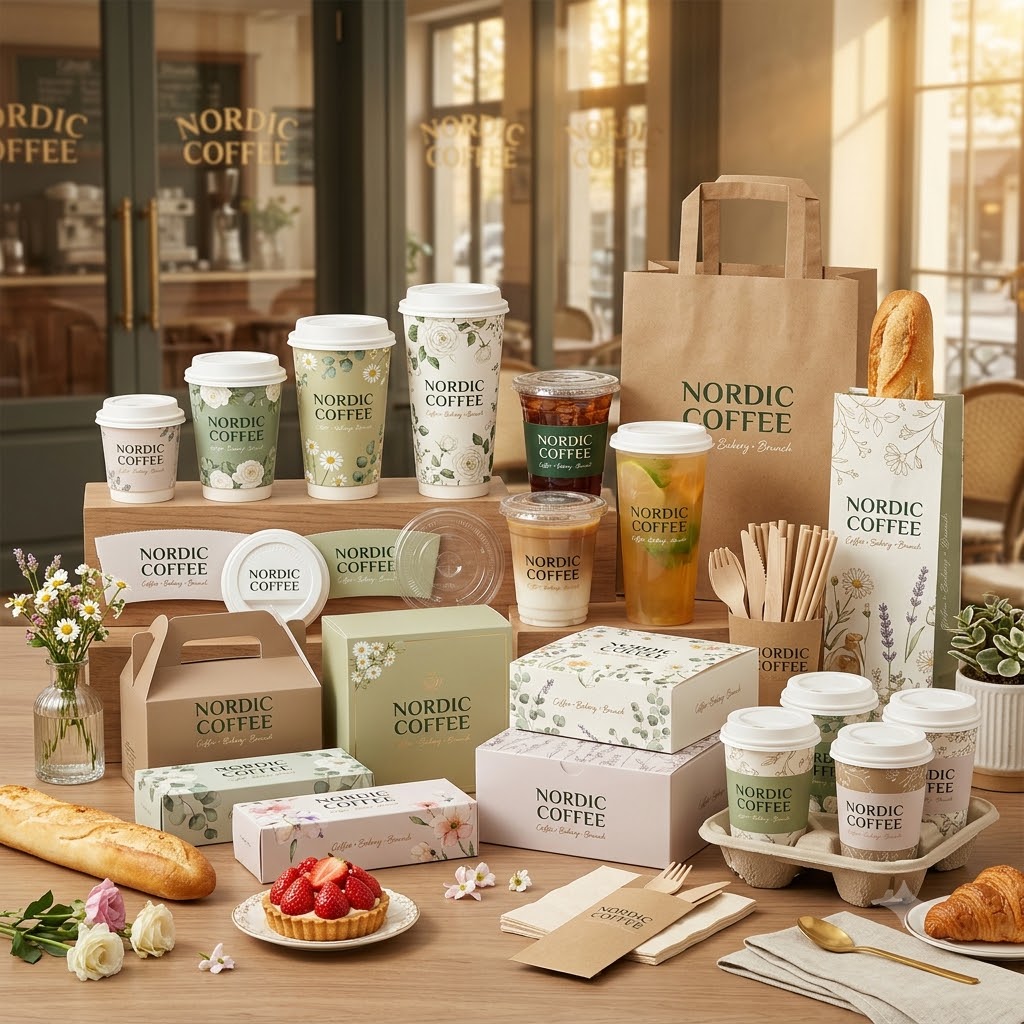
Square lifestyle shot of complete NORDIC COFFEE branded paper packaging lineup including hot cups, transparent iced drink cups, pastry boxes, kraft takeaway bags and disposable tableware, floral botanical print design, arranged on wooden table with bread, pastries and fresh flowers, French cafe glass window background, premium European coffee bakery packaging showcase
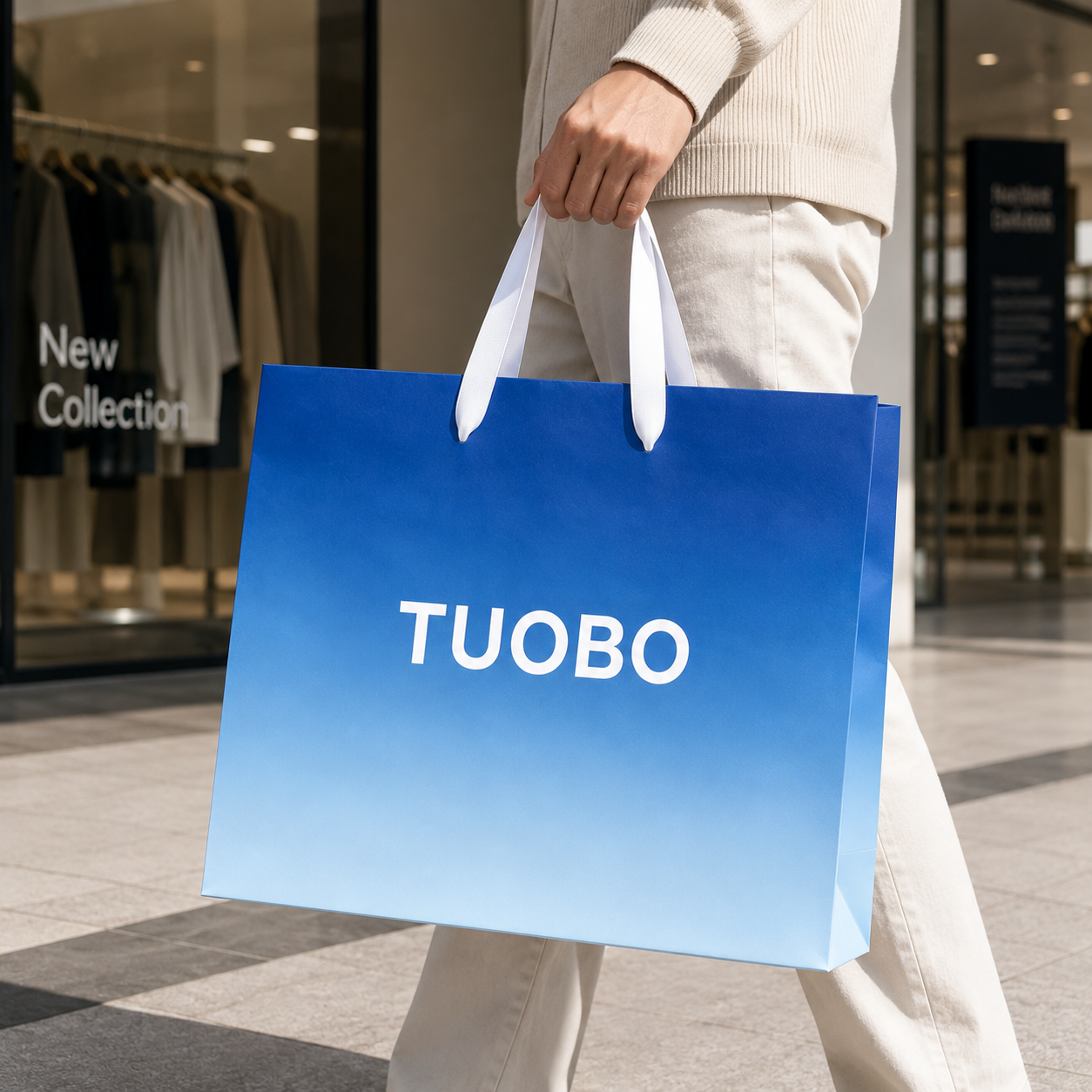
Real scene shot of person carrying TUOBO blue gradient paper tote bag in front of clothing store window, high-end retail packaging lifestyle presentation

The better approach is straightforward: compare the complete cost, not just the unit price.

If a quote comes in 20% lower than everyone else, it’s not a deal. It’s a trap. Always nail down these details first:

  • Request exact material specifications and GSM details
  • Confirm which fees, shipping terms, and finishing costs are included
  • Get written confirmation that production materials match the quotation

Transparent suppliers will list all fees, material weights, and commercial terms in the initial quotation without adding unexpected charges after deposit payment.

Ignoring 2026 EU PPWR and PFAS food contact compliance until shipping

Ignoring EU PPWR and PFAS compliance until shipping is one of the most expensive custom packaging mistakes brands can make, especially for products entering the European market.

A supplier saying “food grade” does not automatically mean the packaging meets every 2026 EU requirement.

This is where many brands run into trouble. The packaging is finished, the shipment is ready, and customs requests documents that are missing or do not match the actual material used. Some shipments may face long delays, destruction risks, or detention fees exceeding €10,000.

“It’s food grade” is the most common phrase used in custom packaging sales. It sounds reassuring, but it means nothing by itself for EU 2026 compliance rules.

Don’t wait until your shipment is at the port to check paperwork. Lock these in before you pay a deposit:

  • Request PFAS test reports and PPWR-related declarations
  • Verify material certificates match the exact shipment
  • Confirm compliance documents before goods leave the factory

For European markets, compliance documents are not just paperwork. Brands can review our guide to 2026 EU PPWR requirements for a complete document checklist, and our team maintains updated documentation for PFAS-free food packaging used in EU-bound orders.

Ready for PPWR? Upgrade Your Packaging Before Regulations Catch Up.
Explore Sustainable Solutions

Approving orders based on outer dimensions instead of formal die line inner dimensions

Approving packaging based only on outer dimensions instead of inner die line measurements is a common custom packaging mistake that causes products to fail fitting tests after production starts.

One common mistake is approving packaging based only on the outside measurements shown in a quotation. The problem is simple: outer dimensions do not show the actual usable space inside.

Once board thickness, folding areas, and glue flaps are considered, the internal space may be 5–8mm smaller. That difference can be enough to prevent the product from fitting properly.

This usually happens when artwork is finalized before engineering details are confirmed. The design looks complete, but the structure has not been fully checked.

It only takes 5 minutes to check these, and it will save you a full reprint:

  • Check product measurements against internal space with around 2mm clearance
  • Confirm fold positions and glue flap locations
  • Approve marked 2D die lines before production preparation

Brands working with food products can also review structural options such as fast food boxes when comparing packaging dimensions, folding areas, and product fit before production.

Detail-oriented suppliers will review product dimensions against die lines and provide marked 2D die lines for written approval before production preparation.

Forgetting FBA size tier calculations that add permanent per-unit shipping costs

Forgetting FBA size tier calculations can turn a small packaging design choice into a permanent fulfillment expense for Amazon sellers.

Sometimes, one extra centimeter changes the entire calculation.

A common mistake is adding decorative structures, thicker inserts, or unnecessary height without checking FBA size tiers. That small change can move a product into a higher category and add around $1.5–$2 in shipping fees per unit.

For high-volume SKUs, those extra costs continue with every order.

The brands that avoid these costs check size tiers before finalizing packaging. They do not just look at the factory price — they calculate what every shipment will cost after fulfillment fees are added.

For Amazon sellers, this one calculation pays for itself 10x over:

  • Check current FBA size tiers before finalizing dimensions
  • Remove unnecessary features that increase package size
  • Calculate long-term fulfillment costs alongside production costs

Miscalculating packaging dimensions is one of the most common avoidable costs found during packaging reviews. Brands can work with our team for a packaging size review before production to confirm dimensions, product fit, and shipping requirements.

Overpaying for premium finishes that do not impact customer perception

Overpaying for premium finishes without testing customer value often increases packaging costs without creating a meaningful difference in buying decisions.

Foil stamping, spot UV, and embossing can create a stronger visual effect, but they also increase production costs. In many cases, these upgrades add 30–40% to packaging expenses.

The key question is simple: will customers actually notice?

For products under $25, many buyers care more about whether the package protects the product, opens easily, and feels reliable. A decorative finish may look impressive during production, but customers may forget it shortly after opening.

Premium finishes can make sense for certain categories, especially higher-margin products. They are just not always the best place to spend the budget.

Before you pay extra for fancy finishes, ask yourself these 3 questions:

  • Does the finish match the product price point and customer expectations?
  • Will customers notice the upgrade after unboxing?
  • Would the same budget create more value through better structure or materials?

For beverage brands reviewing packaging investments, it is also worth comparing custom coffee shop packaging solutions designed for different product types, branding needs, and practical production requirements.

Ethical suppliers will recommend finishing options based on product application and customer perception rather than automatically promoting the highest-cost alternatives.

Not defining AQL quality standards before production starts

Not defining clear custom packaging quality control standards before production is one of the main reasons brands and suppliers disagree after delivery.

A factory may consider a small print shift acceptable. A brand may see the same issue as a serious defect. Both sides may believe they are following normal standards.

Without written requirements, these disagreements usually appear after production is complete.

“Make it look good” is not a quality standard. Get these in writing:

  • Define AQL 2.5 for major defects, including structural failure and color shifts above Delta E 2
  • Define AQL 4.0 for minor defects that do not affect function
  • Require pre-shipment inspection reports and documented acceptance criteria

Quality expectations need measurable standards. “Make it perfect” sounds clear, but it does not provide a workable production guideline.

Reputable suppliers will define clear AQL acceptance levels in initial agreements, provide inspection records, and share third-party testing documents when required.

Placing orders less than 2 weeks before peak season lead time cutoffs

Placing custom packaging orders too close to peak season deadlines creates unnecessary pressure across the entire supply chain.

Every year we get the same panicked calls the week before Black Friday. The packaging is not ready, production slots are full, and suddenly everyone is trying to find a shortcut.

Many brands wait until Black Friday, Christmas, or a product launch is approaching before confirming production. At that point, normal timelines become difficult to maintain.

Factories have limited capacity during peak periods. Rush production can cost 2–3 times more, while quality checks may become shorter because everyone is trying to meet the deadline.

Custom packaging cannot always be rushed. Production, inspection, and shipping each require time.

Do yourself a favor:

  • Book production slots 3–4 weeks before peak seasons
  • Confirm lead times in writing before payment
  • Keep at least 7 days of buffer time for shipping delays

Reliable suppliers reserve production capacity for repeat clients, provide urgent production options when available, and communicate peak season cutoff dates early.

Conclusion: Preventing Custom Packaging Mistakes Before Production Starts

Custom packaging is not an off-the-shelf product.

A one-hour review before paying a deposit can prevent thousands of dollars in avoidable losses. Check the samples. Confirm the dimensions. Review compliance documents. Define quality standards.

None of this is rocket science. It just takes 60 minutes of checking before you hand over a deposit.

The lowest quote is rarely the lowest total cost. In packaging, the most expensive custom packaging mistakes are usually the ones that could have been identified before production.

If a supplier avoids written details, pushes for quick approval, or refuses to answer technical questions, that is a warning sign.

Saving $300 on a sample is not worth risking a $20,000 production run.

FAQs frequently asked questions header banner, green question mark icons on light wood texture background, eco friendly packaging help page template

FAQ: Custom Packaging Mistakes Brands Ask Before Ordering

How much does custom packaging really cost?

Custom packaging usually depends on materials, dimensions, printing methods, order volume, and finishing options. Brands should calculate total landed cost, including production, shipping, and quality control, instead of comparing only unit prices.

What is the standard lead time for custom packaging?

Custom packaging usually requires more than 20 days after artwork approval and sample confirmation. Peak seasons may extend production schedules, so brands should confirm timelines early and reserve enough buffer time.

Do I need PFAS-free packaging for the EU in 2026?

Yes, food-contact packaging sold in the EU must meet current PFAS restrictions under EU requirements in 2026. Brands should confirm matching test reports, material declarations, and compliance documents before shipment.

What print quality standard should I require for custom packaging?

Brands should define Pantone color targets, acceptable Delta E limits, print registration requirements, and inspection procedures before production. Clear standards reduce quality disputes.

Should I get a sample before ordering custom packaging?

Yes, brands should always review a physical sample before mass production. A sample confirms size, material, printing, and finishing details before a full production run begins.

Ready to Future-Proof Your Packaging for Recycling Requirements?

Packaging regulations are changing, but brands don't need to redesign everything overnight. The first step is understanding your current packaging structure and identifying which improvements make the most sense for your products and target markets.

Tuobo Packaging helps brands evaluate existing packaging structures, explore recyclable alternatives, and develop practical packaging solutions backed by real manufacturing experience.

Contact our packaging experts today to discuss your current packaging structure and explore PPWR-ready solutions tailored to your business.

Learn more about Tuobo Packaging and our sustainable packaging capabilities.

750工厂

Tuobo Packaging-Your One-Stop Solution for Custom Paper Packaging

Founded in 2015, Tuobo Packaging has quickly risen to become one of the leading paper packaging manufacturers, factories, and suppliers in China. With a strong focus on OEM, ODM, and SKD orders, we have built a reputation for excellence in the production and research development of various paper packaging types.


TUOBO

ABOUT US

16509491943024911

2015 founded in

16509492558325856

 10 years experience

16509492681419170

3000 workshop of

tuobo product

Need packaging that speaks for your brand? We’ve got you covered. From Custom Paper Bags to Custom Paper Cups, Custom Paper Boxes, Biodegradable Packaging, and Sugarcane Bagasse Packaging — we do it all.

Whether it’s fried chicken & burger, coffee & beverages, light meals, bakery & pastry (cake boxes, salad bowls, pizza boxes, bread bags), ice cream & desserts, or Mexican food, we create packaging that sells your product before it’s even opened.

Shipping? Done. Display boxes? Done. Courier bags, courier boxes, bubble wraps, and eye-catching display boxes for snacks, health foods, and personal care — all ready to make your brand impossible to ignore.

One-stop. One call. One unforgettable packaging experience.

What we can offer you…

Best Quality

We have rich experience in the manufacture, design and application of coffee paper cups, and served more than 210 customers from worldwide.

Competitive Price

we have an absolute advantage in the cost of raw materials. Under the same quality, our price is generally 10%-30% lower than the market.

After-sale

We provide 3-5 years guarantees policy. And all cost by us will be on our account.

Shipping

We have best shipping forwarder, available to do Shipping by Air express, sea, and even door to door service.

Your Reliable Partner For Custom PaperPackaging

Tuobo Packaging is such a trusted company that assures your business success in a short time by providing its customers with the most reliable Custom Paper Packing.We are here to help product retailers in designing their own Custom Paper Packing at very affordable rates. There would be no limited sizes or shapes, neither design choices. You can choose amongst number of choices offered by us. Even you can ask our professional designers to follow the design idea you have in your mind, we’ll come up with the best. Contact us now and make your products familiar to its users.


Post time: Jul-28-2026