Paper
Packaging
Manufacturer
In China

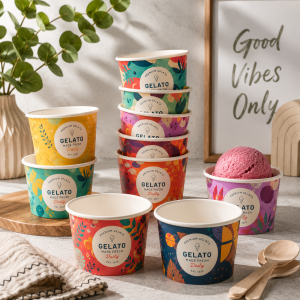
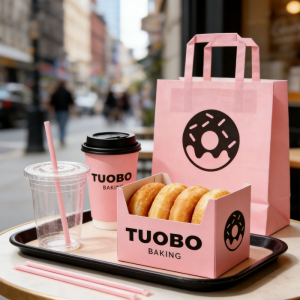
Tuobo packaging is committed to providing all disposable packaging for coffee shops, pizza shops, all restaurants and bake house, etc , including coffee paper cups, beverage cups, hamburger boxes, pizza boxes, paper bags, paper straws and other products.

All packaging products are based on the concept of green and environmental protection. Food grade materials are selected, which will not affect the flavor of food materials. It is waterproof and oil-proof, and it is more reassuring to put them in.

What Is rPET? A Complete Guide to Recycled PET Packaging for Businesses

Plastic packaging is evolving rapidly. While performance, cost, and visual appeal remain essential, businesses are now under increasing pressure to reduce waste, increase recycled content, and align with circular economy goals. This shift has brought recycled PET (rPET) into greater focus across foodservice packaging and retail packaging.

If you source plastic cups, salad containers, fruit packaging, bakery clamshells, or cold drink packaging solutions, you’ve likely already seen rPET packaging positioned as an alternative to virgin PET. The two materials are visually similar—both are lightweight, clear, and suitable for cold applications—but they differ significantly in origin and sustainability profile.

For procurement teams, rPET is no longer just a material choice. It’s a strategic decision that sits at the intersection of regulatory compliance, product performance, and long-term supply chain planning. This guide outlines what rPET is, how it is produced, where rPET packaging performs best, and what to evaluate before making the switch.

1. Why More Businesses Are Choosing rPET Packaging

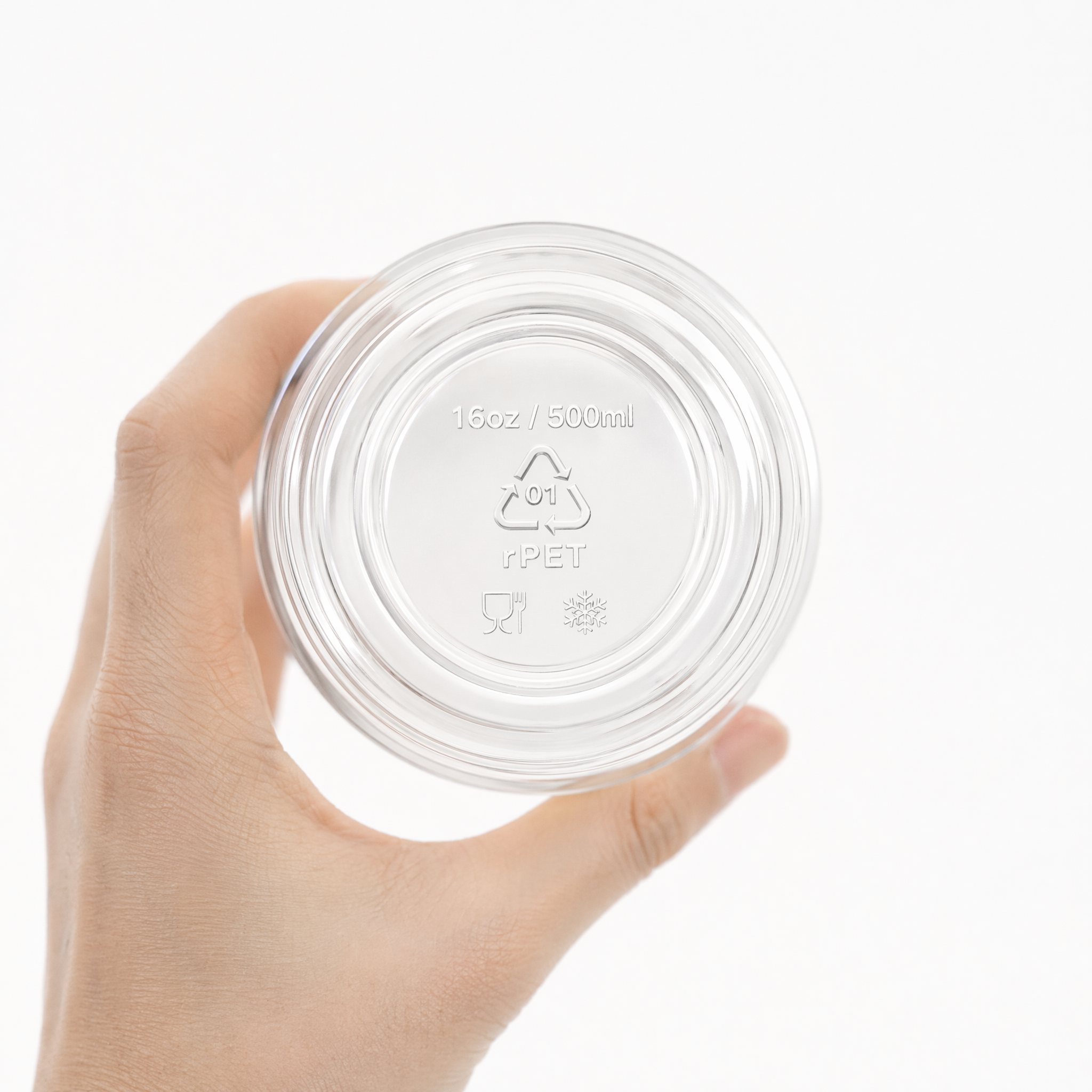
Food safe rPET recyclable clear plastic cup bottom embossed marking, 16oz 500ml disposable custom Christmas plastic drink tumbler material certification, BPA free cold beverage plastic cup eco-friendly packaging for wholesale café suppliers
 

Only a few years ago, recycled plastics were considered a niche solution. Today, the landscape has shifted significantly. Large retailers, global foodservice operators, and consumer brands are under increasing pressure to reduce packaging impact, improve recycled content, and demonstrate measurable ESG progress, driven by both regulatory developments and rising stakeholder expectations.

As a result, packaging decisions are no longer defined solely by cost or aesthetics. They are increasingly shaped by sustainability targets, compliance readiness, and long-term material strategy. Within this context, rPET has emerged as a practical transition material for many businesses.

Unlike alternative substrates that often require changes in production lines or filling systems, rPET typically integrates seamlessly into existing PET applications. It maintains the same clarity and functionality while reducing reliance on virgin resin, making it a low-disruption option for brands looking to improve sustainability performance.

Ongoing advances in recycling technology have also improved the quality and consistency of food-grade rPET, enabling it to meet stringent food-contact safety requirements for many regulated applications when produced under approved systems. As a result, sustainability upgrades no longer necessarily mean compromising on performance or operational efficiency.

2. What Is rPET and How Is It Different from PET?

To understand rPET, start with PET (polyethylene terephthalate) itself. PET is a widely used packaging plastic valued for its strength, clarity, and suitability for cold food packaging and beverage packaging applications such as drinks, produce, and ready-to-eat foods. Virgin PET is produced from newly derived petrochemical raw materials.

rPET, or recycled PET, is made from post-consumer PET waste—mainly used bottles and packaging—that is collected, sorted, cleaned, and processed into new resin. Chemically, rPET is identical to virgin PET; the difference is only the source of the material.

This makes rPET packaging a drop-in alternative in many applications, allowing brands to switch without major changes to packaging design or production.

However, rPET is not uniform. Recycled content can range from 30% to 100%, depending on supply, regulations, and application requirements, making rPET specification an important part of procurement decisions.

3. How rPET Is Made and Why the Process Matters to Buyers

Most buyers don’t need a full technical breakdown of rPET production, but they do need to understand how the process impacts quality, food safety, and supply chain consistency.

rPET is produced from post-consumer PET waste, which is collected, sorted, washed, shredded into flakes, and reprocessed into pellets. For food-contact applications, additional decontamination steps are required, and in many markets the recycling process must be officially validated before the material can be approved for use.

This is what distinguishes food-grade rPET from general recycled plastic.

From a procurement perspective, process control is often more important than recycled content alone. Two materials labeled as 50% rPET can perform very differently depending on the recycler’s technology, feedstock quality, and quality assurance systems.

For this reason, reliable suppliers typically provide documentation on recycled content, food-contact compliance, and traceability. In practice, sourcing rPET packaging is not just about choosing a material—it is about selecting a controlled and verifiable supply chain.

4. Where rPET Packaging Performs Best

One reason rPET has been adopted so quickly is that it fits naturally into many existing PET packaging applications.

Its excellent transparency allows products to remain highly visible on store shelves, while its rigidity provides good protection during transportation and retail display. Since rPET processes similarly to conventional PET, manufacturers can often introduce recycled content without redesigning existing packaging formats.

That makes it particularly attractive for brands that want to improve sustainability while minimizing operational changes.Working with an experienced packaging manufacturer can further simplify this transition by ensuring consistent product quality, reliable supply, and compliance with evolving market requirements.

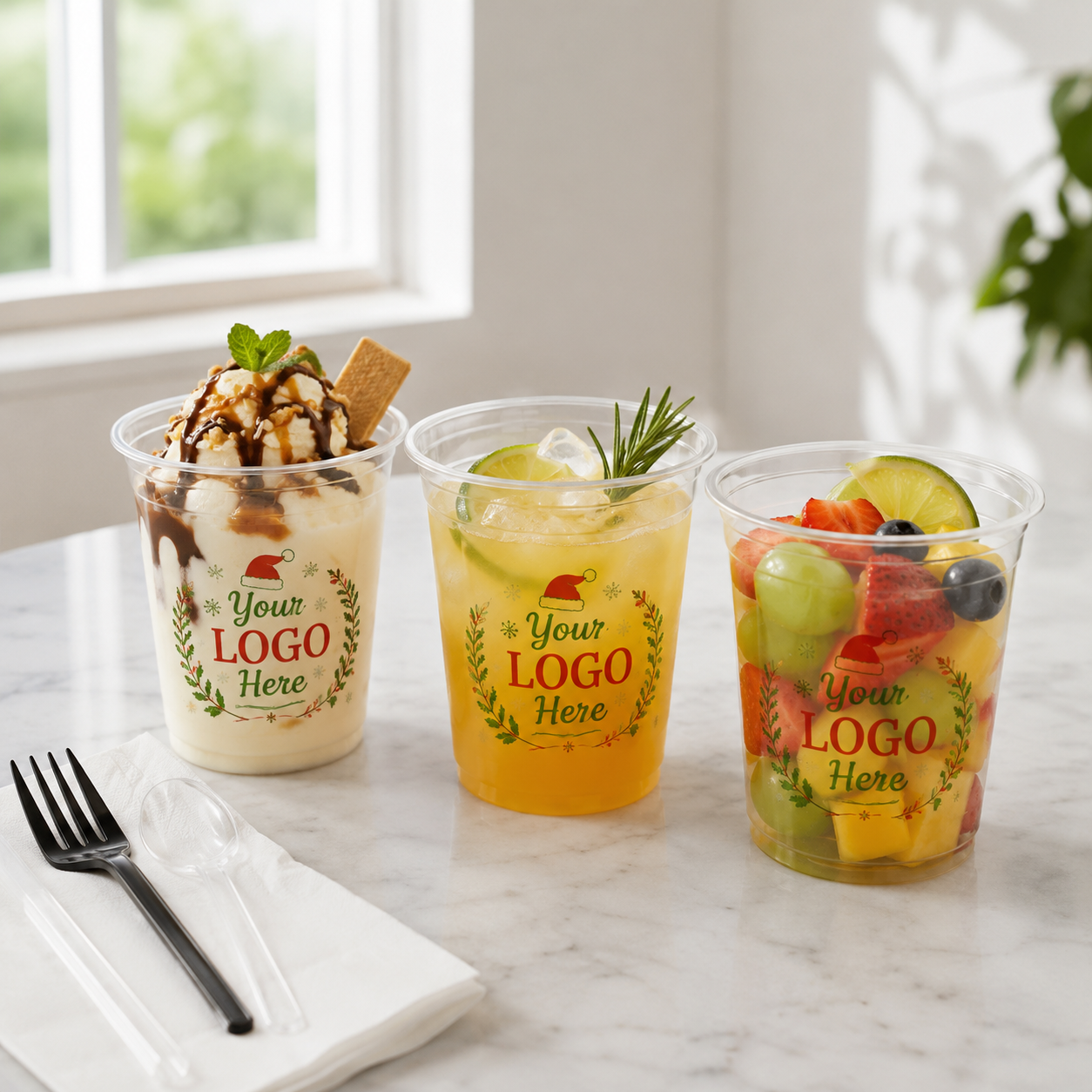
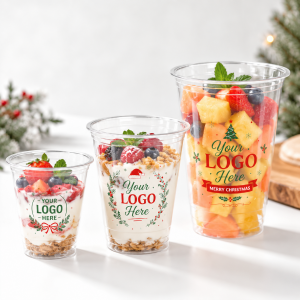
Wholesale custom Christmas printed transparent rPET plastic drink cups with your logo, disposable clear plastic tumblers for smoothie, fruit tea, milkshake, fruit salad, café restaurant cold beverage packaging, holiday festive custom plastic cups bulk supply

 At Tuobo Packaging, we help businesses integrate food-grade rPET solutions into their existing packaging programs with custom manufacturing and wholesale support.

4.1 Cold Drink Cups

Cold beverage cups remain one of the most common uses for rPET.
Coffee chains, smoothie shops, bubble tea stores, juice brands, and quick-service restaurants increasingly choose rPET cups because they offer the same crystal-clear appearance consumers expect from traditional PET cups.
For businesses, switching to rPET often requires very little change to cup design while supporting broader sustainability commitments.

4.2 Fresh Produce and Fruit Packaging

Visibility is especially important for fresh foods. Consumers want to see the freshness, color, and quality of fruit before making a purchase. rPET maintains excellent clarity, making it suitable for fruit cups, salad bowls, berry containers, and produce clamshells. Its strength also helps reduce damage during transportation, which is particularly valuable for retailers managing high product turnover. 


4.3 Bakery and Deli Containers

Many ready-to-eat foods benefit from transparent packaging that protects products without hiding them.
rPET is widely used for sandwiches, pastries, cakes, desserts, sushi trays, and deli containers because it combines visibility with good structural performance.
For premium bakery brands, packaging often plays a role in product presentation. Clear rPET packaging allows customers to see the product while supporting more sustainable packaging goals.


4.4 Retail Food Packaging
Convenience foods continue to drive demand for transparent packaging.
Prepared meals, cold snacks, take-away salads, and grab-and-go products increasingly rely on packaging that protects food while remaining lightweight and visually appealing.
Because rPET performs similarly to virgin PET, it has become one of the easiest materials for food brands to incorporate into existing packaging programs.


5. rPET vs Virgin PET: Which Material Makes More Sense?

From a performance standpoint, modern food-grade rPET performs very similarly to virgin PET. Both materials offer excellent transparency, rigidity, moisture resistance, and reliable performance for cold food and beverage packaging, with little visible difference in most applications.

The main distinction lies in sustainability. Virgin PET is manufactured from newly extracted fossil resources, while rPET is produced by recovering and reprocessing post-consumer PET, helping reduce demand for virgin plastic and supporting circular economy initiatives.

When selecting between the two, buyers should consider factors beyond material performance, including recycled content availability, supplier stability, pricing, and regional supply capacity, as demand for high-quality food-grade rPET continues to grow.

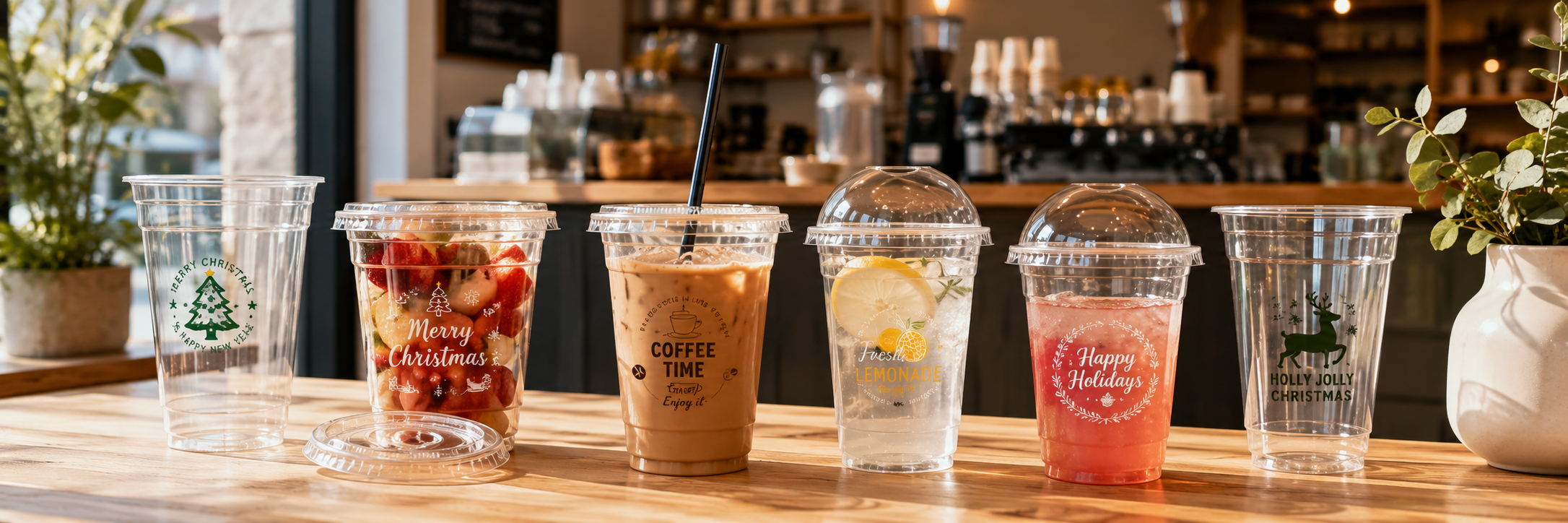
Wide banner display of bulk custom festive Christmas rPET plastic drink cups with custom holiday prints, disposable transparent cold beverage tumblers with dome lids, eco-friendly recyclable plastic cups for café, bakery, restaurant, food shop, suitable for iced coffee, fruit tea, lemonade, fruit parfait, smoothies, wholesale low MOQ custom logo printed holiday plastic cups for Christmas catering packaging

6. Food-Grade rPET: What Procurement Teams Should Verify

Not all recycled plastic is suitable for direct food contact.

When sourcing cups, food containers, or other food packaging, buyers should ensure the rPET complies with the food-contact regulations applicable to their target markets, such as FDA requirements in the United States and EFSA/EU food-contact regulations in Europe.

Procurement teams should also verify:

  • The percentage of recycled content used.
  • Whether the material is post-consumer recycled (PCR).
  • Batch traceability.
  • Material consistency across production runs.
  • Available food-contact testing and compliance documentation.

These checks help reduce sourcing risks while supporting both regulatory compliance and sustainability objectives.

7. How to Choose an rPET Packaging Supplier

Choosing an rPET supplier involves more than comparing prices. Supplier experience, material consistency, and documentation all influence long-term packaging performance.

Look for suppliers with proven experience manufacturing food-grade rPET packaging for international markets and the ability to maintain consistent clarity, dimensional stability, and production quality.

Buyers should also request supporting documentation, including recycled-content declarations, food-contact compliance reports, traceability records, and relevant testing reports.

Finally, evaluate supply stability and value-added services. Reliable material sourcing, custom printing capabilities, technical support, and responsive customer service often provide greater long-term value than price alone.

For businesses seeking a reliable manufacturing partner, Tuobo Packaging supplies food-grade rPET cups and rPET food containers for international markets, backed by stable production capacity and comprehensive compliance documentation. Our packaging solutions are supported by PPWR compliance documentation and are designed to help brands meet evolving sustainability and regulatory requirements while maintaining the clarity, durability, and food safety required for commercial foodservice applications.

Explore our custom rPET cups to learn more about available sizes, custom printing options, and wholesale solutions for cold beverage packaging.

Conclusion

rPET is no longer simply an alternative material—it has become an important part of modern packaging strategies. It delivers the trusted performance of traditional PET while supporting recycled content and circular packaging objectives.

Successful adoption depends on choosing the right supplier. Buyers should evaluate food-contact compliance, supplier capabilities, recycled-content transparency, and long-term supply stability before making procurement decisions.

As sustainability expectations continue to grow, businesses that adopt rPET packaging today will be better positioned to meet future market demands while maintaining the quality and performance customers expect.

TUOBO FAQ
What does rPET stand for?
rPET stands for recycled polyethylene terephthalate. It is PET plastic that has been recovered, processed, and converted into new packaging materials instead of being produced entirely from virgin raw materials.
Is rPET food safe?
Yes. Food-grade rPET can be safely used for food-contact packaging when it is produced through approved recycling processes and complies with applicable food safety regulations.
What is the difference between PET and rPET?
Both materials are chemically the same polymer. The main difference is that virgin PET is made from new raw materials, while rPET is manufactured using recycled PET collected from existing products.
Can rPET be recycled again?
Yes. One of the advantages of PET is that it can be recycled multiple times when collected and processed through appropriate recycling systems.
Does PPWR require companies to use rPET?
Not specifically. PPWR focuses on improving recyclability, reducing packaging waste, and increasing the use of recycled materials. While rPET supports these objectives, compliance depends on the overall packaging design rather than simply using recycled PET.
What products are commonly made from rPET?
Common applications include cold drink cups, salad bowls, fruit containers, deli packaging, bakery clamshells, beverage bottles, and various transparent food containers.
Is rPET more expensive than virgin PET?
Pricing depends on market conditions, recycled material availability, and regional supply chains. The price difference may vary over time as demand and recycled resin supply change.
What is PCR content?
PCR stands for post-consumer recycled material. It refers to recycled plastic collected after consumers have used and discarded products through recycling systems.
How can buyers verify recycled content?
Reliable suppliers can provide recycled-content declarations, traceability documentation, food-contact certifications where applicable, and third-party testing reports.
Is rPET suitable for hot food packaging?
Generally, rPET performs best in cold food and cold beverage applications. For high-temperature uses, other materials are usually more appropriate depending on the specific packaging requirements.

We always adhere to customer demand as the guide, providing you with high-quality products and thoughtful service. Our team is composed of experienced professionals who can provide you with customized solutions and design suggestions. From design to production, we will work closely with you to ensure that your customized hollow paper cups perfectly meet your expectations and exceed them.

Write your message here and send it to us

See What We Can Create for You

Ready to Start Your Paper Cups Project?

Write your message here and send it to us
750工厂

Tuobo Packaging-Your One-Stop Solution for Custom Paper Packaging

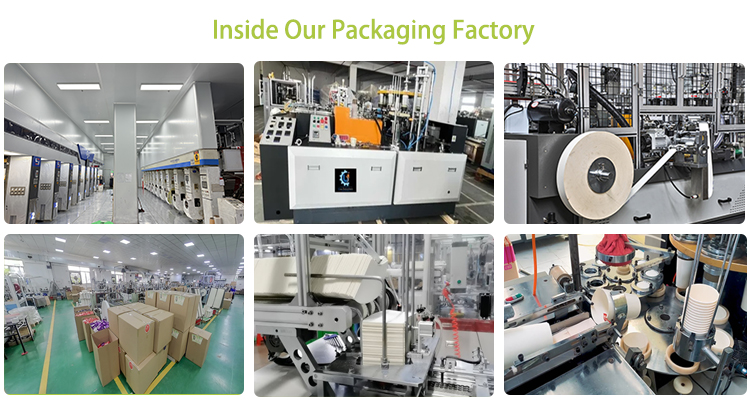
Founded in 2015, Tuobo Packaging has quickly risen to become one of the leading paper packaging manufacturers, factories, and suppliers in China. With a strong focus on OEM, ODM, and SKD orders, we have built a reputation for excellence in the production and research development of various paper packaging types.


TUOBO

ABOUT US

16509491943024911

2015 founded in

16509492558325856

 7 years experience

16509492681419170

3000 workshop of

tuobo product

Need packaging that speaks for your brand? We’ve got you covered. From Custom Paper Bags to Custom Paper Cups, Custom Paper Boxes, Biodegradable Packaging, and Sugarcane Bagasse Packaging — we do it all.

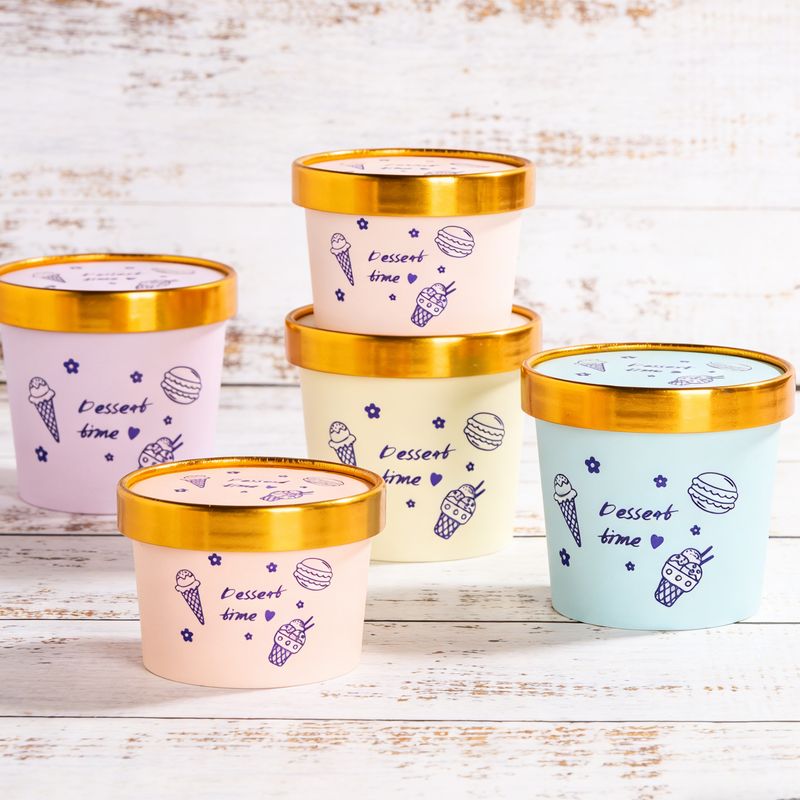
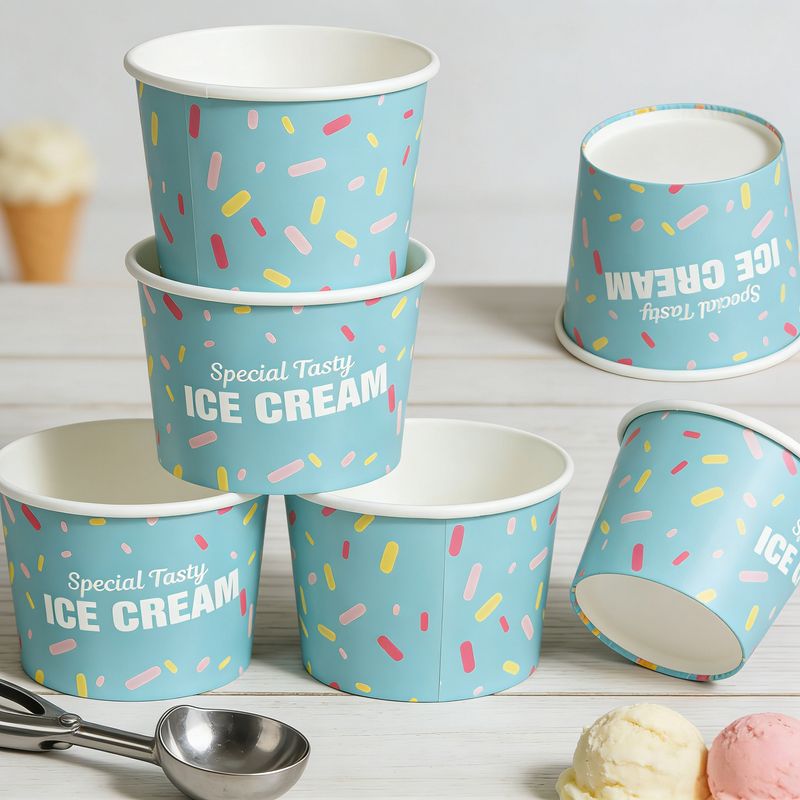
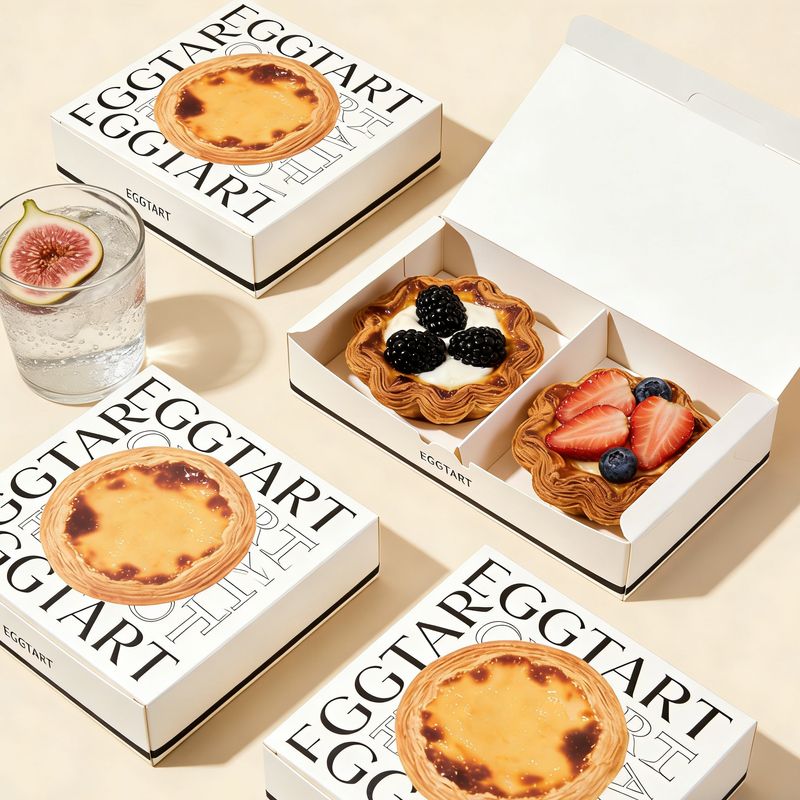
Whether it’s fried chicken & burger, coffee & beverages, light meals, bakery & pastry (cake boxes, salad bowls, pizza boxes, bread bags), ice cream & desserts, or Mexican food, we create packaging that sells your product before it’s even opened.

Shipping? Done. Display boxes? Done. Courier bags, courier boxes, bubble wraps, and eye-catching display boxes for snacks, health foods, and personal care — all ready to make your brand impossible to ignore.

One-stop. One call. One unforgettable packaging experience.

What we can offer you…

Best Quality

We have rich experience in the manufacture, design and application of coffee paper cups, and served more than 210 customers from worldwide.

Competitive Price

we have an absolute advantage in the cost of raw materials. Under the same quality, our price is generally 10%-30% lower than the market.

After-sale

We provide 3-5 years guarantees policy. And all cost by us will be on our account.

Shipping

We have best shipping forwarder, available to do Shipping by Air express, sea, and even door to door service.

Your Reliable Partner For Custom PaperPackaging

Tuobo Packaging is such a trusted company that assures your business success in a short time by providing its customers with the most reliable Custom Paper Packing.We are here to help product retailers in designing their own Custom Paper Packing at very affordable rates. There would be no limited sizes or shapes, neither design choices. You can choose amongst number of choices offered by us. Even you can ask our professional designers to follow the design idea you have in your mind, we’ll come up with the best. Contact us now and make your products familiar to its users.


Post time: Jun-27-2026