Paper
Packaging
Manufacturer
In China

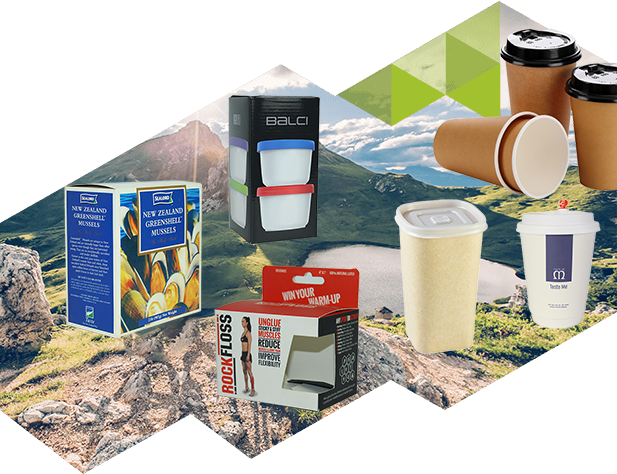
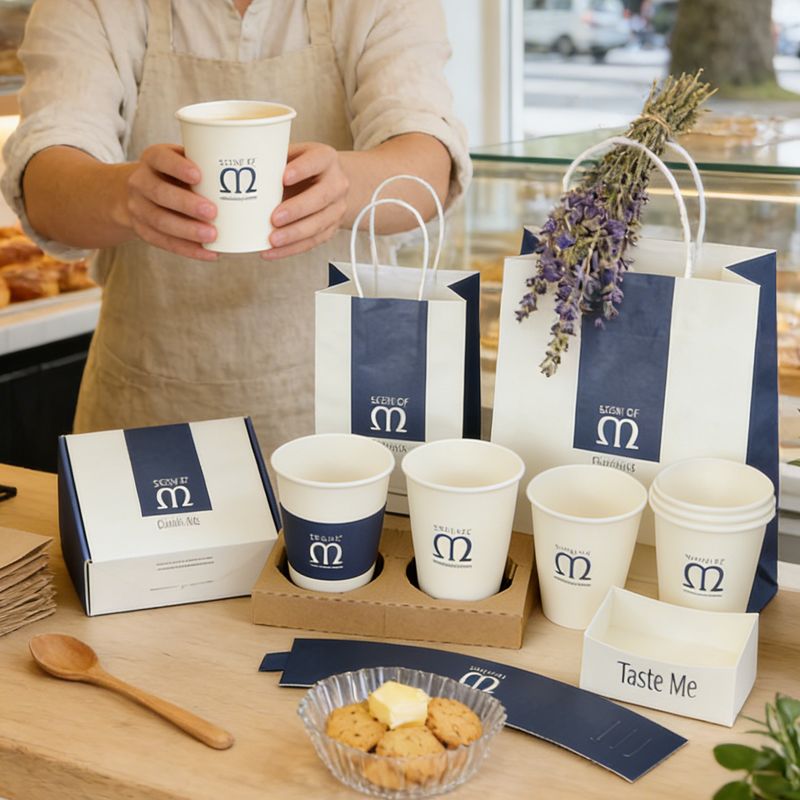
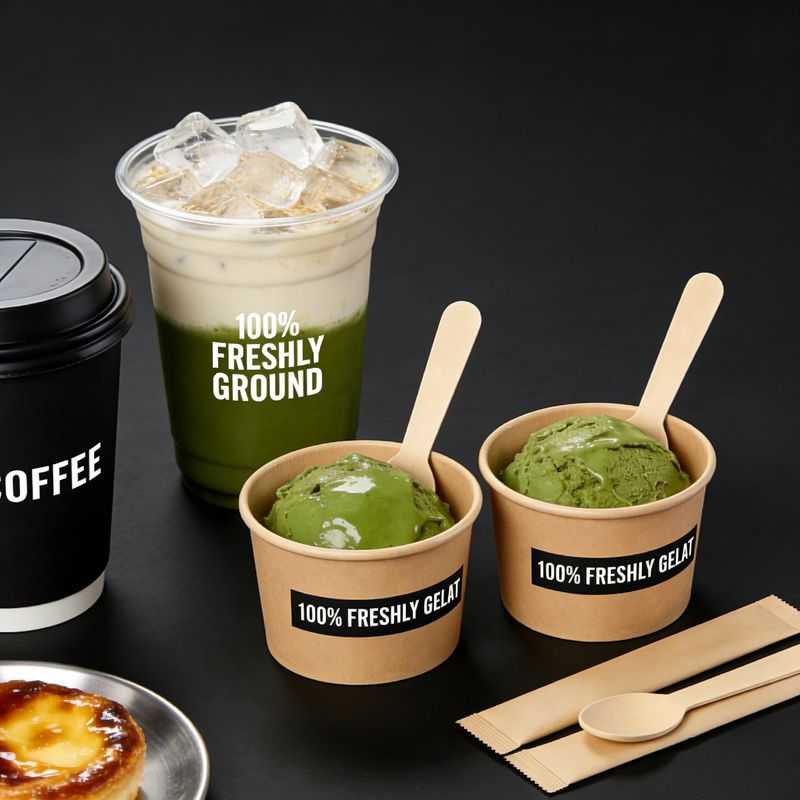
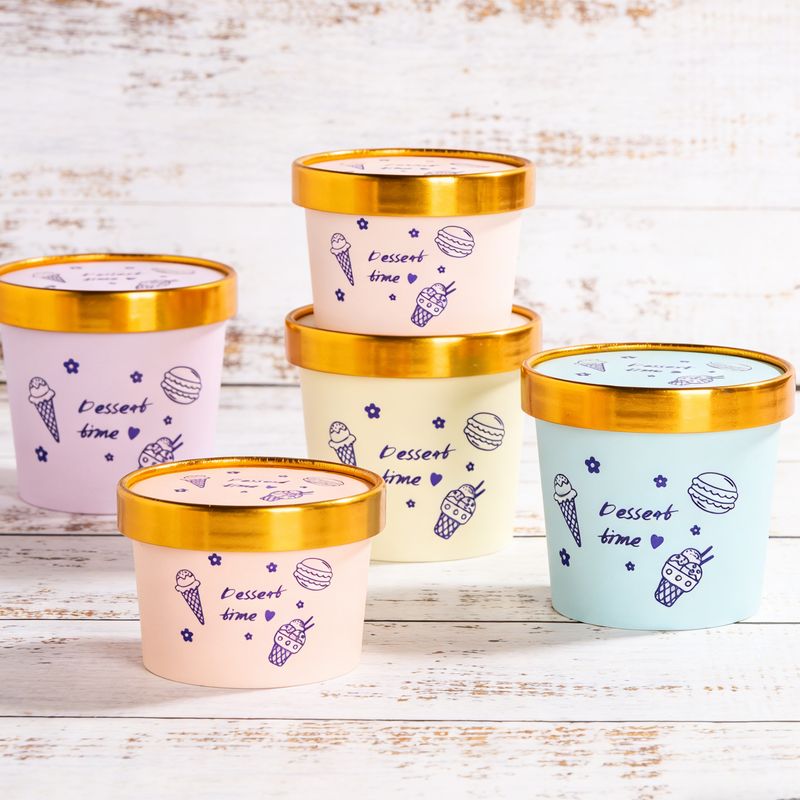
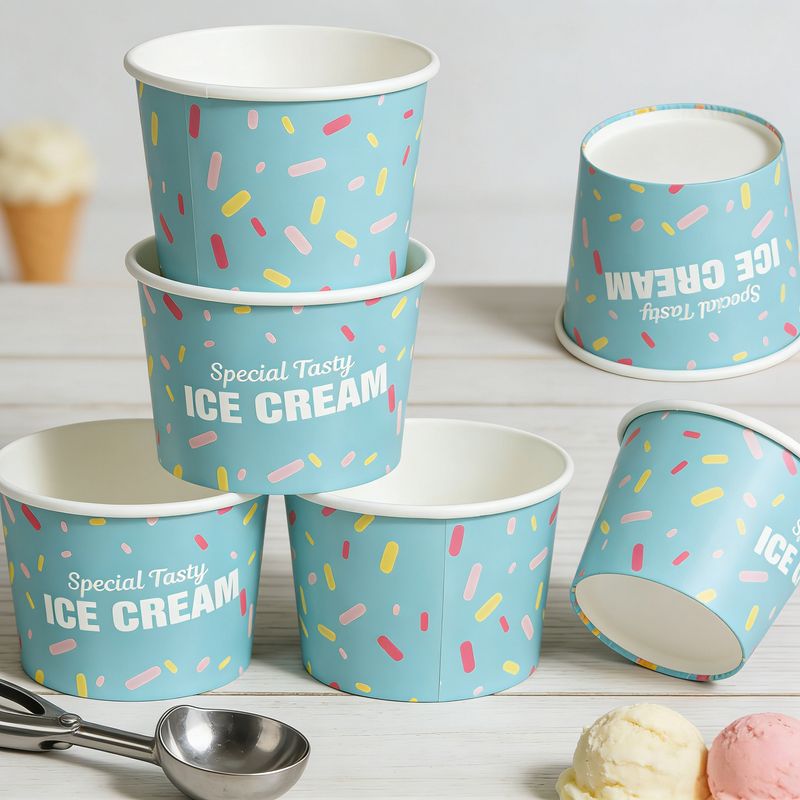
Tuobo packaging is committed to providing all disposable packaging for coffee shops, pizza shops, all restaurants and bake house, etc , including coffee paper cups, beverage cups, hamburger boxes, pizza boxes, paper bags, paper straws and other products.

All packaging products are based on the concept of green and environmental protection. Food grade materials are selected, which will not affect the flavor of food materials. It is waterproof and oil-proof, and it is more reassuring to put them in.

Paper Cups Under PPWR: How Beverage Brands Can Prepare for New Packaging Rules

The European packaging landscape is undergoing major regulatory change. The EU Packaging and Packaging Waste Regulation (PPWR) is rewriting rules for takeaway beverage packaging. As a core packaging staple for coffee, tea and on-the-go drink businesses, paper cups now face strict new compliance standards.

Historically, packaging decisions focused on cost, print quality, delivery speed and functional performance. These factors still matter, yet new priorities have emerged:

  • Sustainability compliance
  • Full material transparency
  • True recyclability

It is no longer enough to simply switch cup styles. Brands need long-term supply chain and material structure planning, balancing regulation, brand identity and customer experience.

1. How PPWR Is Changing the Way Beverage Brands Evaluate Paper Cup Suppliers

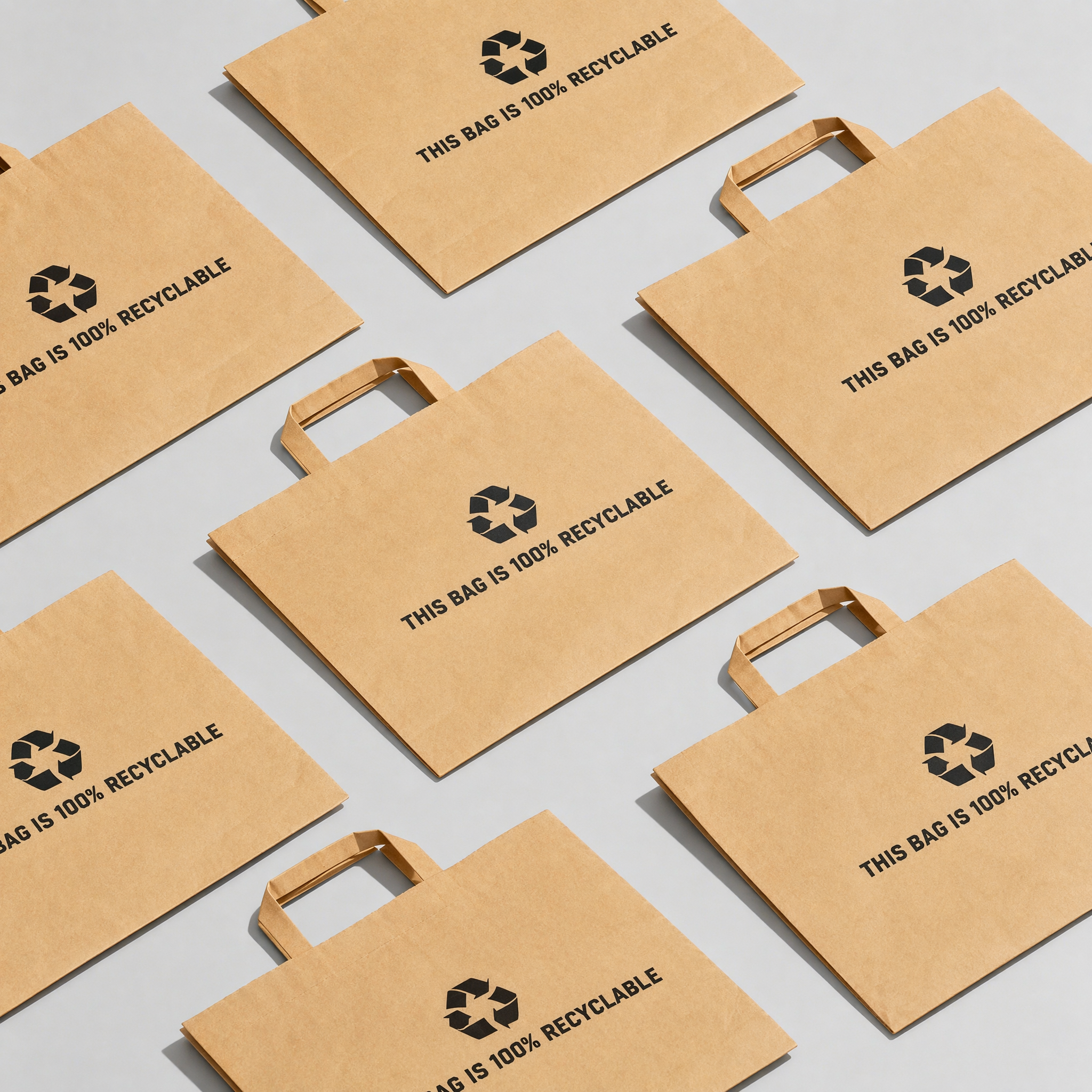
Bulk kraft paper bags arranged in flat lay style, showcasing paper bags manufacturer capabilities for wholesale paper bags, custom printed paper bags, paper bags factory production, retail paper bags and sustainable packaging solutions.

For decades, beverage packaging purchasing was a straightforward, transactional process. Brands compared supplier quotes, reviewed physical samples, checked unit pricing, and finalized orders based on immediate store and market needs.

That old playbook no longer works.

Today, European beverage brands are looking deeper into the full packaging lifecycle. They want full visibility into raw material origins, manufacturing protocols, and verifiable sustainability data to support corporate ESG objectives.

That sounds simple, but it becomes increasingly complex as your brand scales.

A standard paper cup solution that works seamlessly for a single café location can create major consistency gaps when you expand to dozens of stores or cross-border European markets. Uniform appearance, stable product performance, and consistent quality across all locations are now non-negotiable baseline requirements.

PPWR is accelerating this industry-wide transition, forcing businesses to stop treating packaging as a one-off purchase and start viewing it as a core part of long-term operational strategy.

2. Moving From Simple Cup Purchasing to Long-Term Packaging Planning

In reality, one of the costliest mistakes growing beverage brands make is isolating paper cup procurement from their broader brand strategy.

Packaging and customer experience are inseparable. Every detail — cup structure, material grade, printing precision, and overall visual presentation — shapes how consumers perceive, recognize, and remember your brand. A customer walking through a city with your branded cup doesn’t just hold a drink; they carry a mobile brand billboard that drives organic visibility, social sharing, and brand association.

Functional utility is no longer the sole purpose of paper cups. They are a vital channel for brand communication.

This is why forward-thinking brands no longer judge suppliers solely on their ability to manufacture individual cup orders. Instead, they prioritize partners capable of supporting long-term packaging iteration and scalable growth.A seasoned paper cups wholesale and packaging development supplier empowers beverage brands to build unified, expandable packaging systems that evolve alongside their business.

3. Why Material Transparency Is Becoming a Key Supplier Requirement

The biggest shift in modern packaging procurement is the rising, non-negotiable demand for full material transparency.

On the surface, a paper cup looks like a basic, uncomplicated product. Its actual functionality, however, relies on the precise coordination of multiple specialized components. Sturdy paperboard delivers structural integrity, food-safe coating prevents liquid leakage, and high-quality printing materials establish your brand’s unique visual identity.

The problem is that most brands only evaluate sample aesthetics, ignoring critical underlying component data.

To meet PPWR standards and internal sustainability targets, you need complete visibility into your packaging’s full structure, plus clear breakdowns of how each component impacts product performance and eco-friendly credentials. Supplier transparency has become a foundational piece of modern brand risk management.

A trustworthy paper cup partner will openly detail material selection criteria, standardized production processes, and rigorous quality control protocols. For European beverage brands preparing for tightening packaging regulations, accurate, verifiable packaging data is just as valuable as the product itself.

4. Key Considerations When Selecting Paper Cups Under PPWR

Industry conversations around sustainable paper cups often focus exclusively on base paper materials. However, compliant and high-performance packaging decisions require a holistic evaluation.

Your paper cups need to meet every operational requirement. They must safely hold hot and cold beverages, maintain structural stability during bulk transportation and daily store use, and deliver a consistent, reliable customer experience. On top of that, every solution must align with your brand’s public sustainability goals.

This creates a unique balancing act for procurement teams.

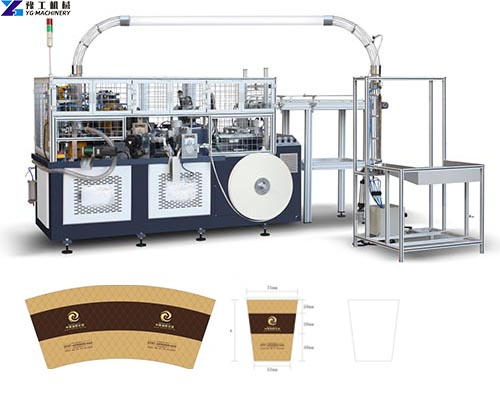
High speed automatic paper cup making machine, disposable eco paper cup manufacturing equipment for custom branded beverage cup mass production

A cup marketed as eco-friendly might lack the technical documentation to prove recyclability and compliance. Meanwhile, a technically superior packaging solution may fail to highlight its core sustainability advantages without clear supplier communication.

The end goal is not just to source generic eco friendly paper cups. It is to build a tailored packaging structure that matches your product lineup, European market regulatory demands, and long-term business growth strategy.

Brand priorities also vary widely by business model. Specialty coffee brands prioritize premium visual presentation and high-fidelity printing quality. Large multinational beverage chains focus more on mass production consistency, stable supply chain reliability, and cross-region operational efficiency.

5. Building a More Reliable Paper Cup Supply Strategy Before PPWR Requirements Become Critical

PPWR compliance does not require an immediate packaging overhaul. A more practical approach is to review existing packaging systems early, identify potential gaps, and prepare before regulatory requirements become critical.

Many growing beverage brands rely on fragmented suppliers for cups, takeaway bags, and food packaging. While workable at a smaller scale, this approach can create inconsistent materials, printing standards, and compliance management challenges during expansion.

A coordinated packaging system helps maintain brand consistency, operational efficiency, and regulatory readiness. Professional paper cup manufacturers are increasingly becoming long-term packaging partners rather than simple product suppliers.

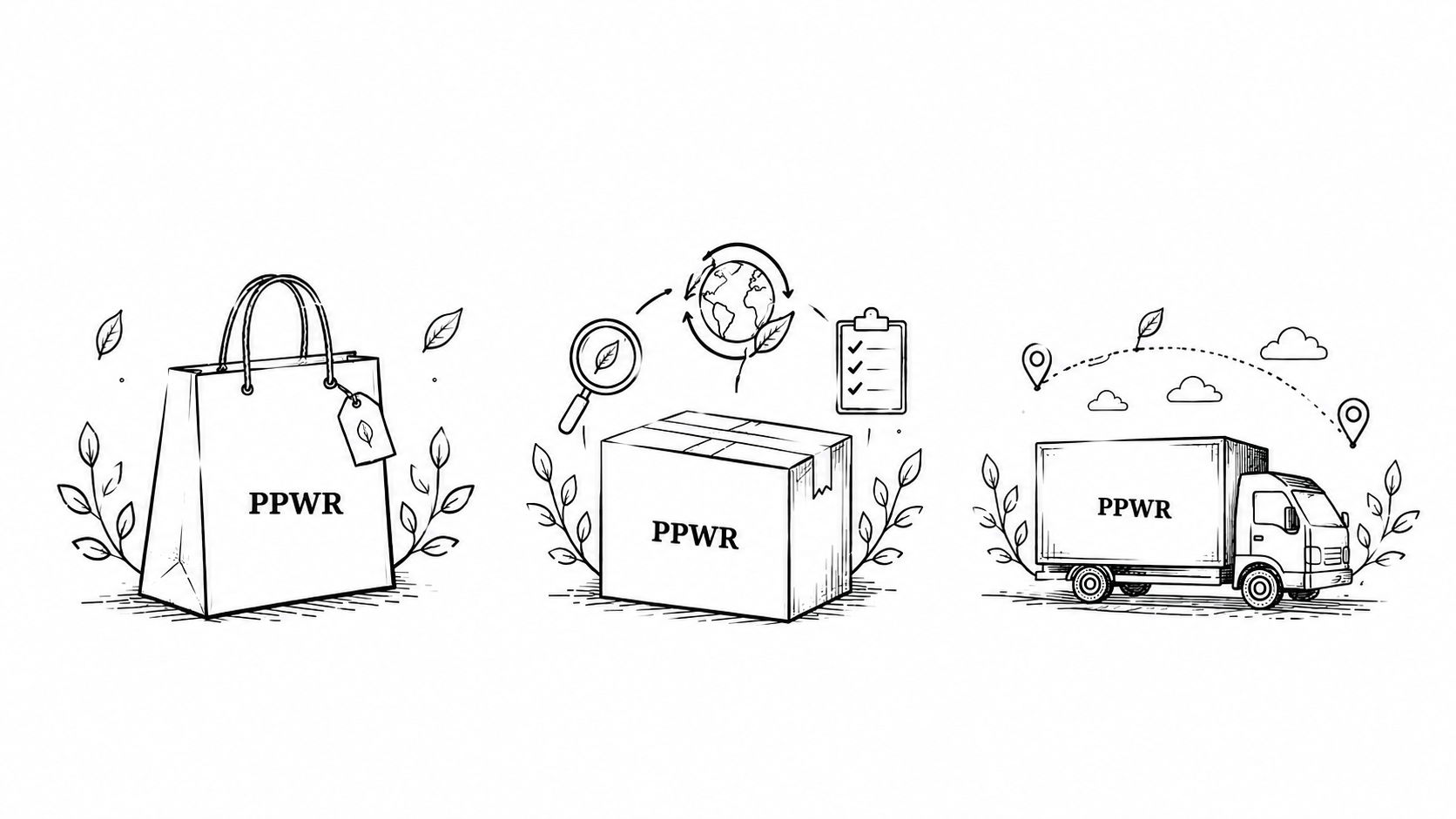
PPWR regulation sustainable packaging lifecycle line illustration, eco paper bag, recyclable box audit and green delivery truck, EU circular packaging rules sketch design

6. Choosing Suppliers That Support Future Packaging Development

Selecting a qualified paper cup supplier goes beyond comparing sample quality and unit pricing. In Europe’s highly regulated beverage market, supplier capability directly impacts long-term business resilience.

Brands need partners that support continuous product development, consistent production standards, and transparent compliance communication.

Packaging needs evolve as brands grow. A café may begin with custom printed paper cups, then expand into seasonal packaging, bakery accessories, or specialized cold drink solutions.

Working with a full-service packaging supplier helps create a unified packaging system with consistent design language, quality standards, and smoother future expansion.

7. Common Mistakes Beverage Brands Make When Preparing for PPWR

7.1 Focusing Only on the Material Instead of the Complete Solution

A widespread misconception across the European beverage industry is that switching to paper-based or eco-labeled packaging guarantees full PPWR compliance. Many brands rely on vague sustainability claims such as “biodegradable” without conducting deeper due diligence.

In reality, PPWR compliance is never only about the base material. It depends on the entire packaging system, including barrier coatings, lids, labels, sleeves, and auxiliary components. A paper cup may appear recyclable at first glance, but non-compliant coatings or plastic accessories can affect its recyclability and regulatory eligibility.

Sustainable packaging procurement requires complete material transparency. Brands need to verify PFAS-free status, food-contact safety documents, real-scenario performance, and end-of-life disposal feasibility. Focusing only on surface-level eco features can leave hidden compliance and operational risks unresolved.

7.2 Skipping Real-Scenario Beverage Testing Before Rolling Out New Packaging

Many beverage brands approve packaging samples based on simple laboratory tests rather than real store operating conditions. This can create performance issues after large-scale deployment.

Hot drinks, cold condensation, extended holding time, transportation stacking, and daily high-volume service can all affect packaging stability and barrier performance. This is especially important for PFAS-free paper cups and grease-resistant packaging, where brands must balance compliance, durability, and cost efficiency.

Only testing packaging with actual menu beverages and real operational scenarios can validate true PPWR-ready performance.

7.3 Waiting Until Packaging Changes Become Urgent

Delaying packaging upgrades until regulatory pressure arrives is another common yet costly mistake.

PPWR enforcement takes effect in August 2026, but a full packaging transition requires supplier auditing, document verification, artwork modification, sample iteration, production adjustment, and inventory replacement, all of which require months of preparation.

Brands that prepare early can avoid rushed decisions, limited supplier options, and unnecessary waste from outdated inventory. Early planning provides greater flexibility to balance cost, quality, sustainability, and long-term growth.

7.4 Applying One-Size-Fits-All Packaging Across Different Markets

Many expanding beverage brands standardize the same packaging lineup across all regions, which can create challenges under different sustainability regulations.

EU PPWR rules, UK waste policies, and North American or APAC packaging standards differ significantly in terms of recyclability recognition, compostable material acceptance, and waste sorting requirements. A packaging structure suitable for one market may not receive the same sustainability recognition elsewhere.

Successful beverage brands build flexible packaging strategies that adapt material structures and compliance documentation to different markets while maintaining consistent brand identity and product quality.

8. Preparing Your Paper Cup Strategy for the Future

At Tuobo Packaging, we help European beverage brands build tailored beverage packaging solutions aligned with unique operational needs and core brand objectives. Our full lineup covers coffee cups wholesale, specialized cold drink cups, and integrated beverage packaging systems, delivering reliable production, consistent quality, and cohesive brand-aligned packaging solutions.

Packaging is never just a container for your product. It is an everyday brand touchpoint that shapes how customers experience and connect with your brand.

FAQs frequently asked questions header banner, green question mark icons on light wood texture background, eco friendly packaging help page template

Q1: When does the EU PPWR regulation officially apply to foodservice packaging?

Regulation (EU) 2025/40 enters into force for relevant requirements on 12 August 2026. Foodservice packaging buyers should begin preparations well in advance. Full transitions, including sample validation, compliance documentation reviews, artwork revisions, supplier audits, and inventory phase-outs, can take many months to complete.


Q2: Does PPWR impose restrictions on PFAS in food-contact packaging?

Yes. Starting 12 August 2026, all food-contact packaging sold on the EU market must comply with strict PFAS concentration limits defined under PPWR. Buyers should obtain verified PFAS test reports, especially for grease-resistant paper packaging and molded fiber products commonly used for takeaway food.


Q3: Can bagasse containers serve as a viable PPWR-compliant packaging alternative?

Bagasse tableware can replace plastic foam containers, plastic clamshells, disposable plates, trays, and hot food packaging. However, formal verification is required, including PFAS-free status, food contact safety certification, grease resistance, lid compatibility, and local EU waste rules.


Q4: Are all compostable packaging products automatically compliant with PPWR?

No. Compostable certification alone does not equal full PPWR compliance. Brands must also verify material composition, food safety compliance, PFAS levels, official recyclability or compostability validation, EU labeling requirements, and compatibility with local waste collection systems.


Q5: Which foodservice packaging items should brands prioritize for PPWR compliance reviews?

Brands should prioritize high-volume, direct food-contact SKUs, including beverage paper cups and lids, molded fiber clamshells, paper bowls, takeaway trays, disposable cutlery, sauce cups, coated paper containers, and multi-part delivery packaging.


Q6: Can paper cups and paper bowls continue to be used under the new PPWR rules?

Yes. Paper cups and paper bowls remain valid foodservice packaging formats. Brands should verify barrier coating structures, food contact safety documentation, recyclability claims, and lid material compliance before making public compliance statements.


Q7: How can European restaurant and beverage chains prepare for PPWR ahead of August 2026?

  • Create a full list of existing packaging SKUs and classify all base materials.
  • Request full traceability and compliance documentation from suppliers.
  • Conduct real-world menu testing for new packaging formats.
  • Revise packaging labeling, disposal guidance, and digital QR code disclosure systems.
  • Establish a phased inventory transition timeline.

Q8: How can Tuobo Packaging support European beverage brands with PPWR-compliant paper packaging solutions?

Tuobo Packaging provides PPWR-aligned paper cups, cold drink cups, and integrated takeaway packaging systems, including verified barrier coatings, material documentation, custom branding, consistent bulk production, and EU export compliance support.


Q9: How can foodservice brands structure sustainable packaging sourcing strategies for PPWR compliance?

Work with strategic long-term packaging suppliers to build unified packaging systems, maintain consistent quality and material transparency, centralize compliance documentation management, and reduce fragmented multi-vendor risks across European markets.

We always adhere to customer demand as the guide, providing you with high-quality products and thoughtful service. Our team is composed of experienced professionals who can provide you with customized solutions and design suggestions. From design to production, we will work closely with you to ensure that your customized hollow paper cups perfectly meet your expectations and exceed them.

Write your message here and send it to us

See What We Can Create for You

Ready to Start Your Paper Cups Project?

Write your message here and send it to us

Post time: Jul-15-2026