Paper
Packaging
Manufacturer
In China

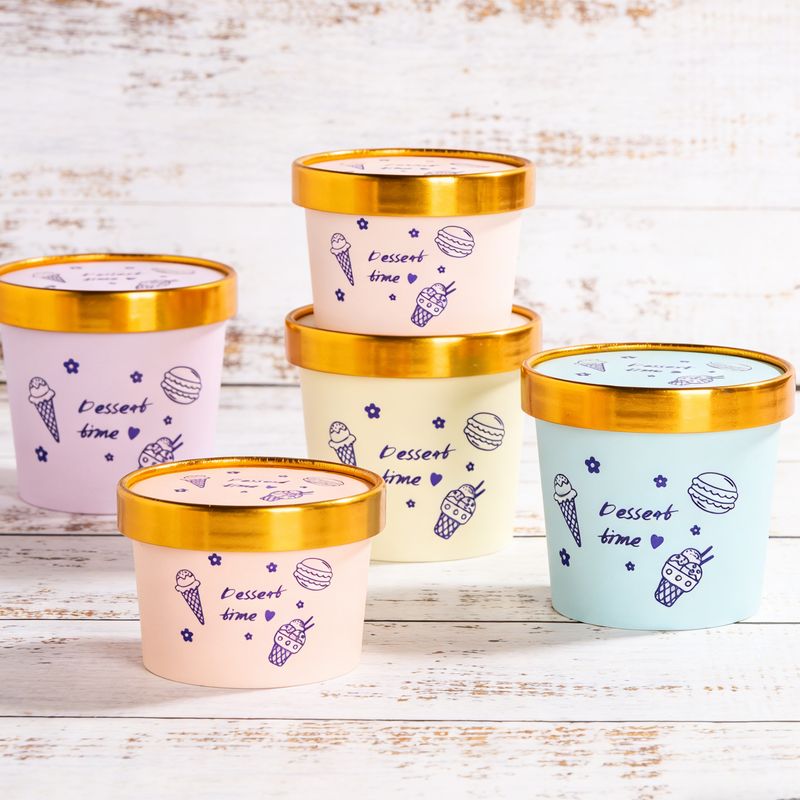
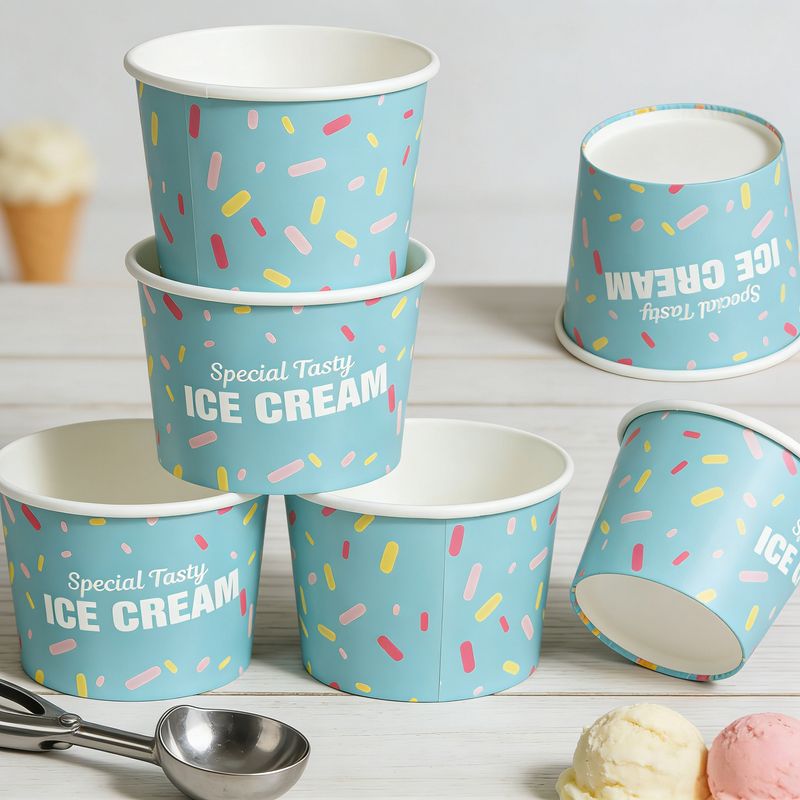
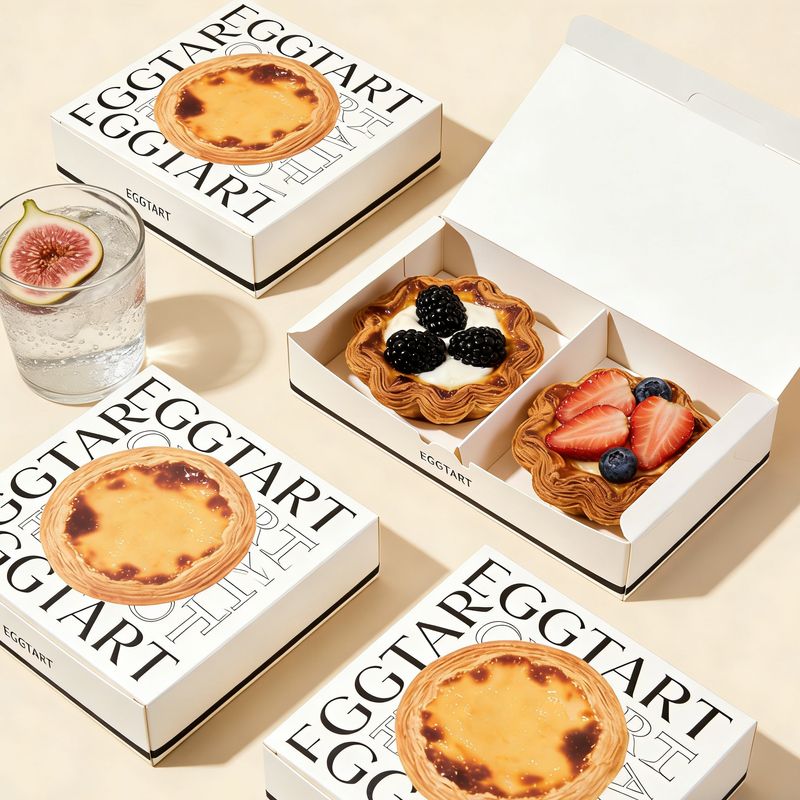
Tuobo packaging is committed to providing all disposable packaging for coffee shops, pizza shops, all restaurants and bake house, etc , including coffee paper cups, beverage cups, hamburger boxes, pizza boxes, paper bags, paper straws and other products.

All packaging products are based on the concept of green and environmental protection. Food grade materials are selected, which will not affect the flavor of food materials. It is waterproof and oil-proof, and it is more reassuring to put them in.
Why Paper Bags Are Replacing Plastic in Modern Retail Packaging

A few years ago, most businesses still treated paper bags as simply the “greener option.” If a brand switched from plastic to paper, the decision was usually framed around sustainability alone.

Now the conversation is broader. In many retail sectors, paper packaging is gradually becoming the default direction. Not everywhere, of course. Plastic still plays an important role in logistics, moisture protection, and low-cost distribution. But in customer-facing retail, especially where branding and presentation matter, the shift is becoming difficult to ignore.


Walk through most shopping districts today and the change is already visible. Fashion retailers are increasingly moving toward kraft paper bags that feel sturdier, cleaner, and more aligned with modern brand presentation. Coffee shops and bakeries are also replacing lightweight plastic takeaway bags with paper-based alternatives that customers often perceive as more premium and more responsible.

Ecommerce brands are making similar adjustments. Many companies now reduce plastic fillers and switch to paper mailers because customers increasingly notice packaging as part of the delivery experience itself. A few years ago, packaging was rarely something consumers paid close attention to. That has changed rather quickly.

1. Packaging Has Become Part of Brand Perception

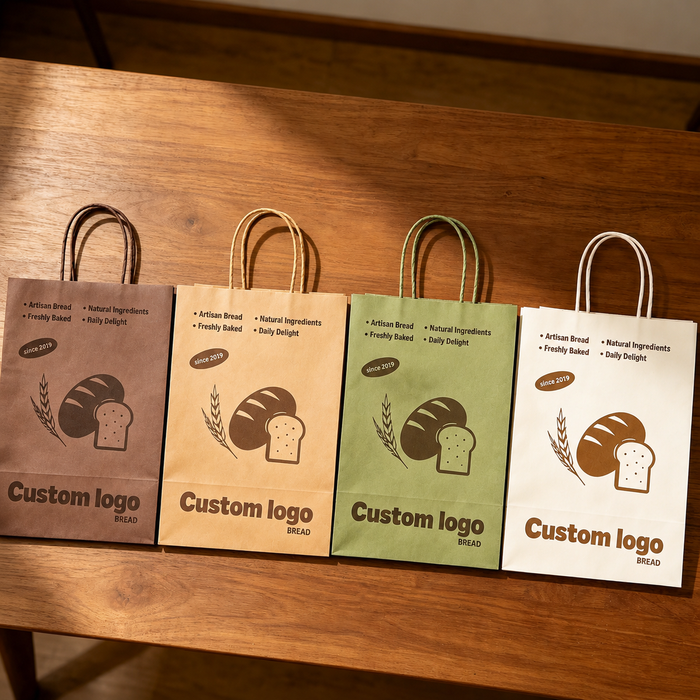
Four food-grade kraft bread bags in brown, beige, and green tones with custom bakery logos and twisted handles, designed for bakery takeout and retail branding.

For a long time, packaging was treated mainly as a functional detail. As long as it was affordable, practical, and easy to source, most businesses were satisfied. Retail expectations are different now.

Social media, unboxing culture, and content-driven shopping have made packaging far more visible than before. In many cases, packaging shapes the first impression before customers even touch the product itself.

A shopping bag carried through a mall or placed on a café table quietly communicates something about the brand behind it.

Compared with plastic, paper bags usually create a more intentional and better-structured impression. Plastic packaging often feels temporary or overly disposable, even when the product itself is positioned as premium. As more brands focus on customer experience and visual consistency, that difference becomes increasingly difficult to overlook.

Once companies begin measuring how packaging influences perception, the conversation changes quickly.

2. Sustainability Expectations Are Becoming More Specific

Sustainability used to function as a broad marketing message. Many brands only needed to position themselves as “eco-friendly,” and for a while that was enough. Today, expectations are more detailed.

Customers are more likely to ask whether packaging is recyclable, how it should be disposed of, and whether it creates unnecessary waste after a single use. At the same time, regulatory pressure surrounding single-use plastics continues to increase across Europe and North America.

That does not make paper a perfect solution. Paper production still requires energy and water. Some paper bags use coatings or laminations that may affect recyclability. Heavier paper packaging can also increase transportation costs in certain supply chains.

In practice, packaging decisions are always a balance between functionality, cost, branding, and sustainability goals. Still, paper aligns more naturally with the direction many markets are moving toward.

In many regions, paper recycling systems are already more established, and consumers generally understand how to dispose of paper packaging correctly without much additional guidance.

3. Plastic Packaging Is Becoming a Brand Perception Problem

Plastic is no longer viewed only as a material choice. Increasingly, it has become a perception issue as well. Consumers now link plastic packaging with excess, disposability and unnecessary waste far more than a decade ago, even for reusable plastic bags.

This creates conflicts for premium and customer-facing brands. Companies may invest heavily in store design, merchandising and product presentation, while thin plastic checkout bags ruin the overall experience and brand image.

Paper packaging solves this problem effectively. Even basic kraft paper bags deliver a neater and more unified visual effect. Their structure, texture and finish fit perfectly with modern retail aesthetics.

4. Why Paper Bags Fit Better in Premium Retail

Some industries depend far more heavily on packaging perception than others. Fashion, beauty, jewelry, boutique retail, premium food and lifestyle brands focus on the full purchase journey. In these fields, packaging is not just a transport layer, but an integral part of the overall product experience.

This is where paper packaging stands out. Well-designed paper bags do more than hold goods. Custom kraft shopping bags, textured surfaces, sturdy paper handles, embossing and foil accents help customers recognize quality before opening the package.

Print effects on paper also look clearer and more sophisticated than on most lightweight plastic materials.

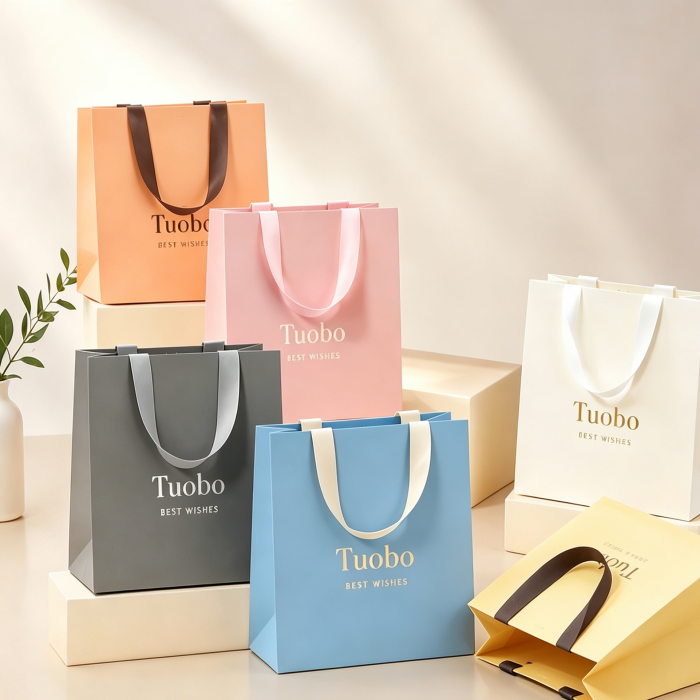
Custom Tuobo gift bags in vibrant colors, wholesale paper shopping bags with printed logo for retail and gifting use

This branding advantage emerged long before sustainability went mainstream. Many premium retailers chose paper packaging early to lift customer experience. Environmental trends only speeded up this ongoing shift.

5. Minimalist Paper Packaging: Beyond Short-Term Costs for Modern Retail

As paper packaging becomes more prevalent, retail packaging design evolves toward natural textures, subtle branding, muted colors and minimalist visuals, while flashy, artificial styles grow less popular. Minimal kraft packaging now delivers a stronger impression in ecommerce and premium retail, as customers link simple packaging with authenticity and sustainability, shifting the focus from a luxurious look to thoughtful design. For B2B procurement teams, the switch to paper packaging results from a mix of branding needs, sustainability goals, regulations, customer demands and long-term supply chain planning, instead of just short-term costs. Paper packaging keeps expanding widely for its good alignment with market trends and brand image. While plastic is still used for necessary functional scenarios, paper has gradually become the mainstream standard for customer-facing retail packaging.

Final Thought

Paper bags are replacing plastic because the packaging industry itself is changing. Customers want packaging that feels more responsible. Brands want packaging that improves perception and customer experience. Governments want less visible waste. Retailers want packaging that aligns with long-term sustainability goals without weakening presentation quality.

Paper is not perfect, and it will not replace plastic everywhere. But in many customer-facing industries, it already fits the future better. That is why more businesses are making the switch.

Tuobo provides custom paper packaging solutions with diverse styles, fine craftsmanship and reliable quality, helping brands build appealing packaging that meets both market trends and sustainable demands.

TUOBO FAQ

Q1:Why are more brands choosing paper packaging over plastic?

A:Brands switch to paper for better brand perception, improved customer experience, growing sustainability demands and stricter plastic regulations. It also matches modern retail design trends perfectly.


Q2:Is paper packaging fully recyclable?

A:Most standard paper bags and paper packaging are highly recyclable. Products with special coatings or lamination may have limited recyclability, which we can adjust according to your needs.


Q3:Does paper packaging cost more than plastic?

A:Paper may have a slightly higher upfront cost, but it delivers long-term value in branding, compliance and customer loyalty, making it cost-effective for long-term operation.


Q4:Can paper packaging meet the needs of ecommerce and retail businesses?

A:Yes. Custom paper packaging works well for physical stores, takeaway services and ecommerce delivery. We support various sizes, textures and printing designs.


Q5:Will plastic packaging be completely replaced in the future?

A:Plastic is still necessary for special functions like moisture resistance and lightweight protection. However, paper packaging has become the mainstream choice for customer-facing retail scenarios.

We always adhere to customer demand as the guide, providing you with high-quality products and thoughtful service. Our team is composed of experienced professionals who can provide you with customized solutions and design suggestions. From design to production, we will work closely with you to ensure that your customized hollow paper cups perfectly meet your expectations and exceed them.

Write your message here and send it to us

See What We Can Create for You

Ready to Start Your Paper Cups Project?

Write your message here and send it to us

Post time: May-27-2026