Paper
Packaging
Manufacturer
In China

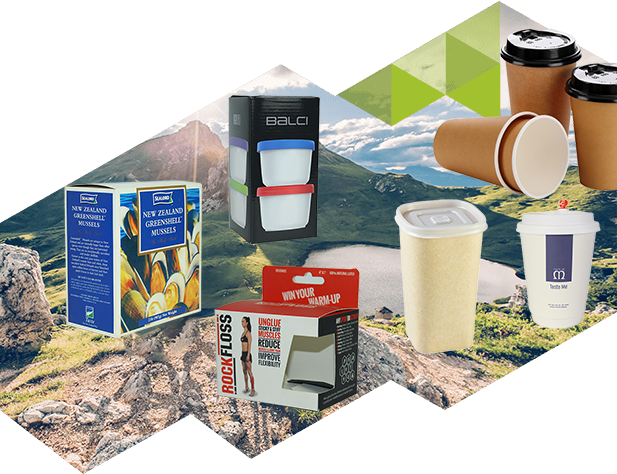
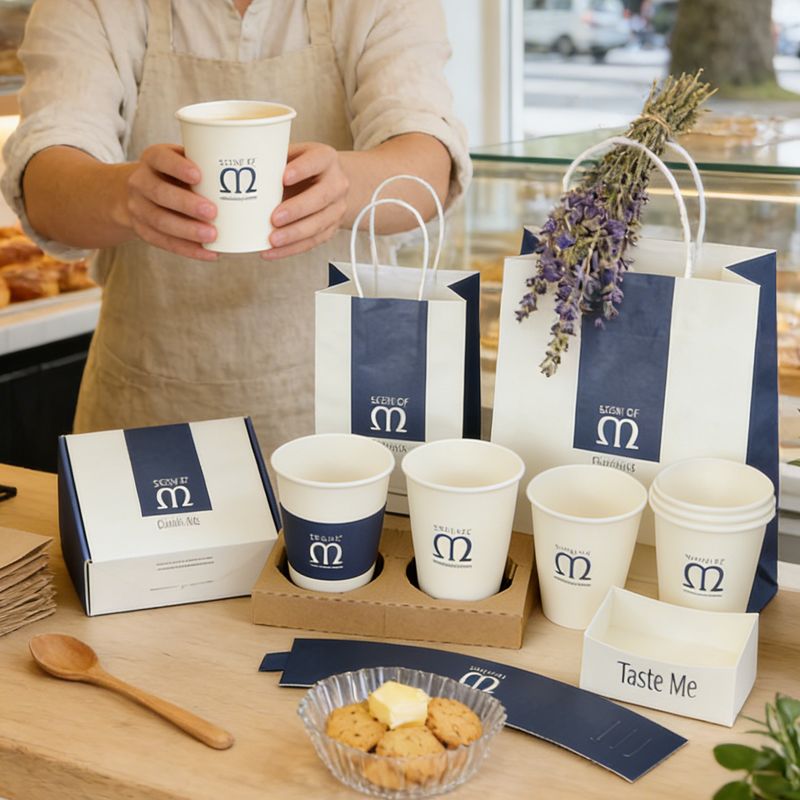
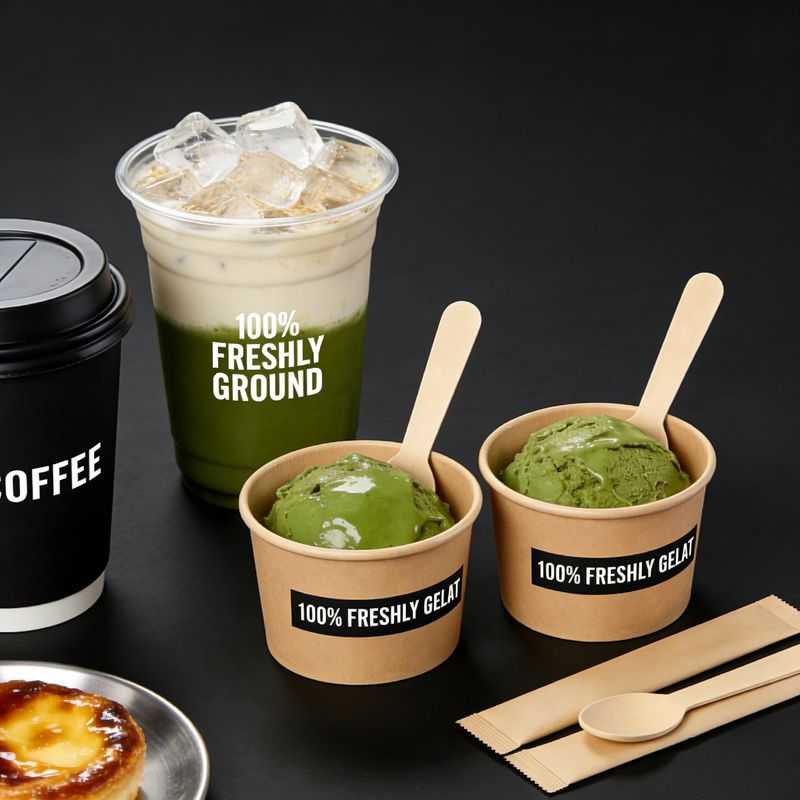
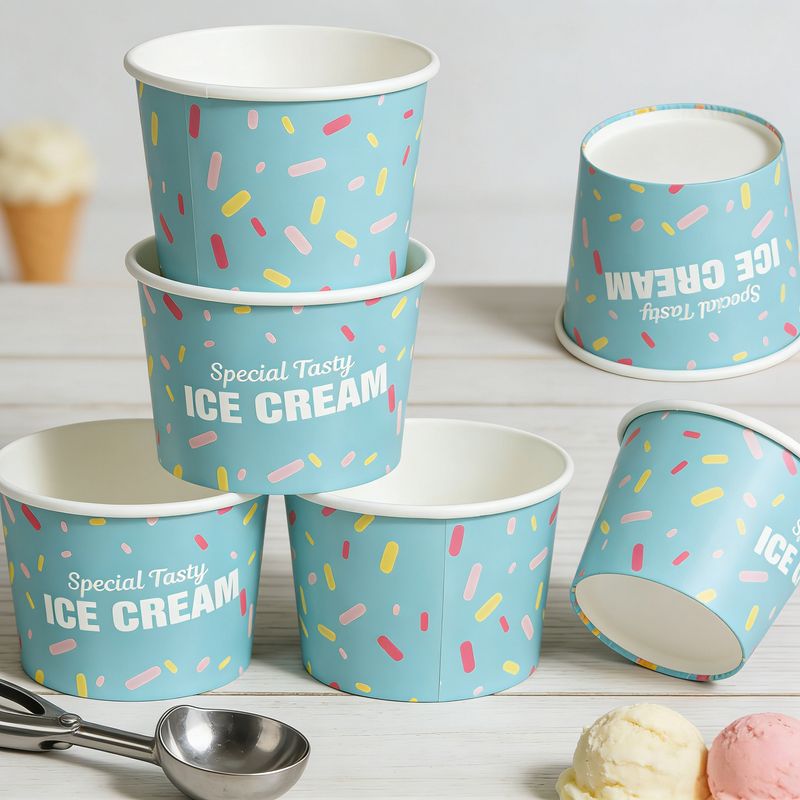
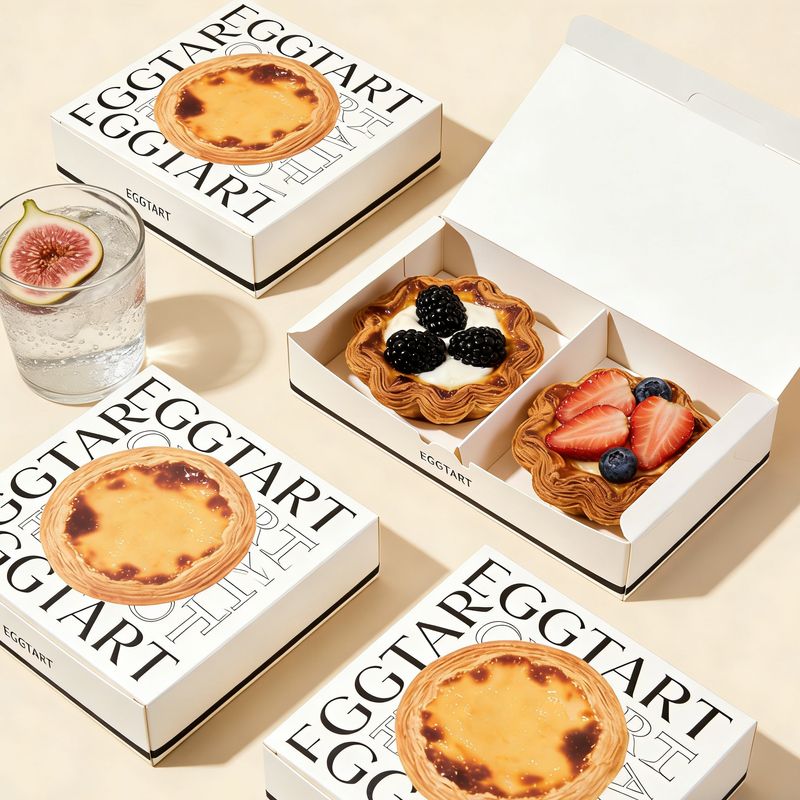
Tuobo packaging is committed to providing all disposable packaging for coffee shops, pizza shops, all restaurants and bake house, etc , including coffee paper cups, beverage cups, hamburger boxes, pizza boxes, paper bags, paper straws and other products.

All packaging products are based on the concept of green and environmental protection. Food grade materials are selected, which will not affect the flavor of food materials. It is waterproof and oil-proof, and it is more reassuring to put them in.

Types of Paper Bags: A Practical Guide for B2B Buyers

Choosing a paper bag might look simple at first. It is not. Once you start sourcing at scale, you quickly realize there are many types, and each one behaves differently in real use. Some are built for food. Some are built for retail. Some are built to carry your brand image more than your product.

If you are buying for a retail brand, a food chain, or an ecommerce business, the paper bag you choose will affect how customers see you. It is often the first physical touchpoint they have with your brand. That matters more than most people expect.

So let’s break it down in a practical way, without overcomplicating things.

1. Why paper bags matter more than they used to

Paper bags are no longer just packaging. They sit in the middle of customer experience now.

Think about it. A customer walks out of your store with a bag in their hand. That bag moves through the street, into photos, sometimes even into social media posts. It becomes part of your brand visibility without you paying for it again.

That is why many brands are moving away from plastic. Not just because of regulations, but because paper feels more intentional. It feels like someone cared about the details.

And in retail, details are never just details.

2. The main types of paper bags used in business

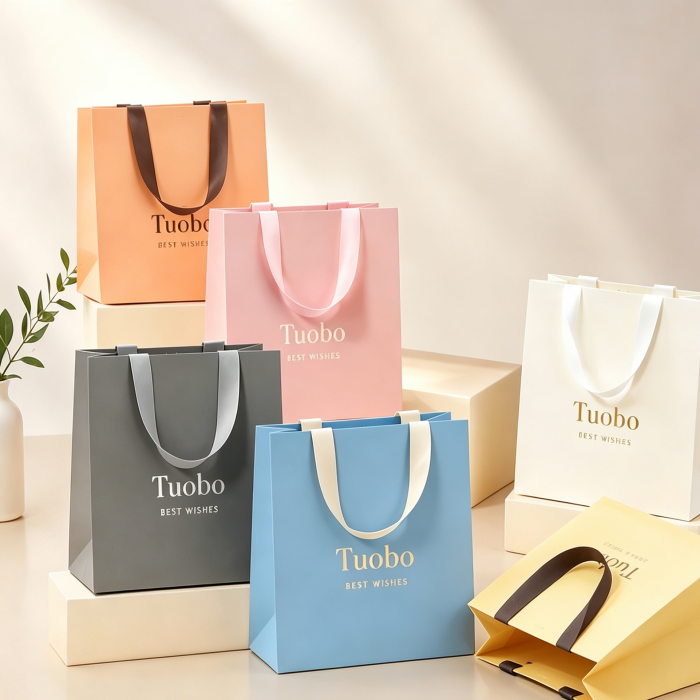
Custom Tuobo gift bags in vibrant colors, wholesale paper shopping bags with printed logo for retail and gifting use

Paper bags are no longer just packaging. They sit in the middle of customer experience now.

Think about it. A customer walks out of your store with a bag in their hand. That bag moves through the street, into photos, sometimes even into social media posts. It becomes part of your brand visibility without extra advertising cost.

More brands are moving away from plastic for that reason. Regulations matter, of course. But paper also feels more considered. More intentional.

And in retail, details are never just details.

Paper Bag Types Overview (B2B Use Cases)

Type
Where Used
Positioning / Reality

SOS paper bag
Bakery, takeaway, grocery, pharmacy
Fast handling. Self-standing. High-volume flow. No branding focus.

Flat handle bag
Supermarket, fast food, budget retail
Low cost structure. Easy production. Pure functional packaging.

Clothing, cosmetics, bookstore, mall retail
Mid-market standard. Balanced cost and brand feel. Most common retail choice.

Euro tote bag
Luxury fashion, beauty, gift retail
High-end positioning. Thick board, premium finish. Brand extension tool.

Bakery, fruit shop, small food counters
Quick pack-out. Low cost. No carry design. Pure speed usage.

Paper pouch
Coffee, tea, snacks, pet food
Shelf-focused packaging. Barrier or zip structure. More retail display value.

3. What really matters when choosing paper bags

Most buyers start by looking at appearance. That usually changes once sourcing gets real.

A sample can look fine, but real use is different. Heavy products, sharp edges, uneven weight — these expose weak structure quickly.

Material also matters. Kraft paper, coated paper, and recycled paper all behave differently in printing, feel, and durability.

Then there is brand fit. A luxury brand, a bakery, and a discount retailer should not use the same bag style. Even if it works technically, the perception changes.

Factor
What to Check
How Buyers Decide

Strength
Product weight, bottom support, handle strength, paper gsm, daily usage conditions
Light items often use 100–120gsm paper. Heavier products like bottles or candles need thicker paper and reinforced structure.

Material
Print quality, surface texture, stiffness, sustainability goals, cost
Kraft paper gives a natural look. Coated paper works better for sharp printing and vivid colors. Recycled paper is often used for eco positioning.

Structure
Handle type, folding design, opening style, storage and transport efficiency
SOS bags are used for fast food service. Twisted handle bags are standard in retail. Euro tote bags are used when presentation matters more.

Brand Fit
Customer expectation, store positioning, packaging consistency
Premium brands often choose thicker paper, matte finishes, and rope handles. Budget retail focuses more on cost and efficiency.

Production
MOQ, lead time, printing complexity, seasonal demand
Simple structures are faster to produce. Premium finishes like embossing or foil stamping increase both lead time and cost.

4. Common mistakes B2B buyers make

One common mistake is choosing based only on price. A cheaper bag often saves money upfront but creates problems later when it fails in real use.

Another mistake is ignoring product weight distribution. A bottle is not the same as a box of cookies. The pressure points are different, and the bag needs to match that reality.

And finally, many buyers forget about printing. Not every paper type gives the same result. Some absorb ink differently. Some cannot hold fine details well. That is something you only learn when it is too late.

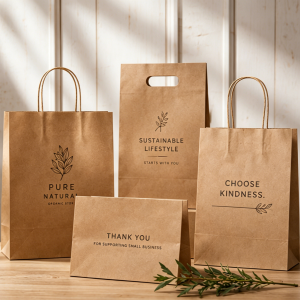
Brown kraft paper shopping bags with twisted handles and printed branding designs, used for sustainable retail packaging, boutique stores, and eco-friendly product presentation in B2B packaging.

Final thought

Even if paper bags may look like a simple packaging choice, they are still a meaningful part of how your business communicates in the real world.

Brand visibility: Every bag that leaves your store keeps carrying your brand outside the shop. It moves through streets, photos, and daily life, and each customer becomes a walking touchpoint.

Customer perception: Texture, structure, and print quality all play a role. People may not say it directly, but they notice it, and it shapes how they see your product and your brand level.

Sustainability alignment: Paper packaging is often linked with recyclability and lower plastic use. For many brands, it also helps match customer expectations around sustainability.

Real packaging impact is not only about carrying products. It shapes how people feel about your brand through the whole experience.

So the question is not just “which paper bag should I choose”.

It becomes more practical:

What do you want your customer to feel when they leave your store carrying your brand?

At TUOBO Packaging, we help brands make this touchpoint more intentional. From material selection to structural design and custom printing, we support packaging that fits real use and reflects your brand in a clear and consistent way.

TUOBO FAQ

Paper Bag FAQ for Retail Businesses
Practical answers for brand positioning, structure, and real-world performance

Q1 What type of paper bag is best for retail businesses?
There is no single best option. Most retail brands choose based on positioning. Twisted handle paper bags are common for mid-range retail because they balance cost and presentation. For premium brands, euro tote bags are preferred because they create a stronger visual and tactile experience. The decision usually depends on how important brand image is compared to packaging cost.

Q2 How do I choose the right paper bag strength for my products?
The key factor is not just total weight but product shape and load distribution. Flat, evenly distributed products can use standard gsm paper. Bottles, candles, or boxed items need reinforced bottoms and higher gsm paper. In practice, most retail bags fall between 100–120gsm, while heavier products may require 150gsm or more.

Q3 Are kraft paper bags strong enough for heavy products?
Yes, but only when the structure is reinforced. Kraft paper itself has good tear resistance, but the strength depends on gsm, handle type, and bottom reinforcement. For heavier retail items, double-layer bottoms or reinforced handles are often used to prevent breakage during customer use.

Q4 What is the difference between cheap and high-quality paper bags?
The difference is usually not visible at first glance. It becomes obvious during use. High-quality paper bags use better fiber density, stronger glue bonding, and more stable handle attachment. Cheaper bags often fail at stress points like handles or bottom folds, especially under uneven weight.

Q5 Can paper bags be fully customized for branding?
Yes, most commercial paper bags support full customization. This includes size, paper type, printing, handle style, and surface finishing. Common branding techniques include hot stamping, embossing, UV coating, and matte or gloss lamination. However, not all materials support all finishing methods, so compatibility must be checked early in production.

Q6 What industries use paper bags the most?
Paper bags are widely used across retail, food service, fashion, cosmetics, and gifting industries. Fashion and beauty brands focus more on presentation. Food businesses focus more on cost and function. Gift and luxury sectors focus on customer experience and brand perception.

Q7 Are paper bags environmentally friendly in real use?
Paper bags are generally more recyclable than plastic bags, but real sustainability depends on material sourcing and coating type. FSC-certified and recycled paper options are considered more sustainable. However, laminated or heavily coated bags may reduce recyclability depending on local recycling systems.

Q8 Why do some paper bags fail during use?
Most failures come from weak structural design rather than material alone. Common issues include poor handle bonding, insufficient bottom reinforcement, or incorrect gsm selection for product weight. These problems usually appear during real-world handling, not during sample approval.

Q9 What is the typical lead time for custom paper bags?
Lead time depends on customization level, printing complexity, and order volume. Standard production usually takes several weeks, while highly customized luxury bags may take longer due to tooling and finishing processes. Seasonal demand can also affect production schedules.

Q10 Should I choose paper or plastic bags for long-term branding?
If brand perception matters, paper bags are usually the better option because they extend the brand experience beyond the store. Plastic bags are more suitable when cost and operational speed are the main priorities. Many brands now use a mixed system depending on different retail channels.

TUOBO Packaging Support
If you are evaluating paper bag structures, GSM, or branding options, TUOBO Packaging can help you match material performance with your retail positioning. From standard retail bags to premium custom solutions, we support practical, production-ready decisions for global brands.

We always adhere to customer demand as the guide, providing you with high-quality products and thoughtful service. Our team is composed of experienced professionals who can provide you with customized solutions and design suggestions. From design to production, we will work closely with you to ensure that your customized hollow paper cups perfectly meet your expectations and exceed them.

Write your message here and send it to us

See What We Can Create for You

Ready to Start Your Paper Cups Project?

Write your message here and send it to us

Post time: May-25-2026