Paper
Packaging
Manufacturer
In China

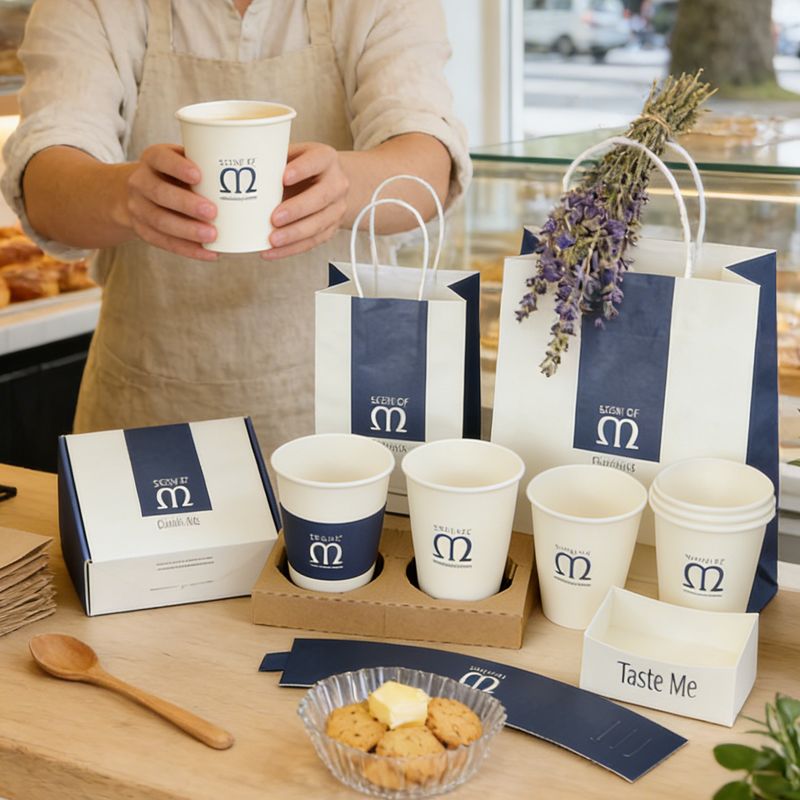
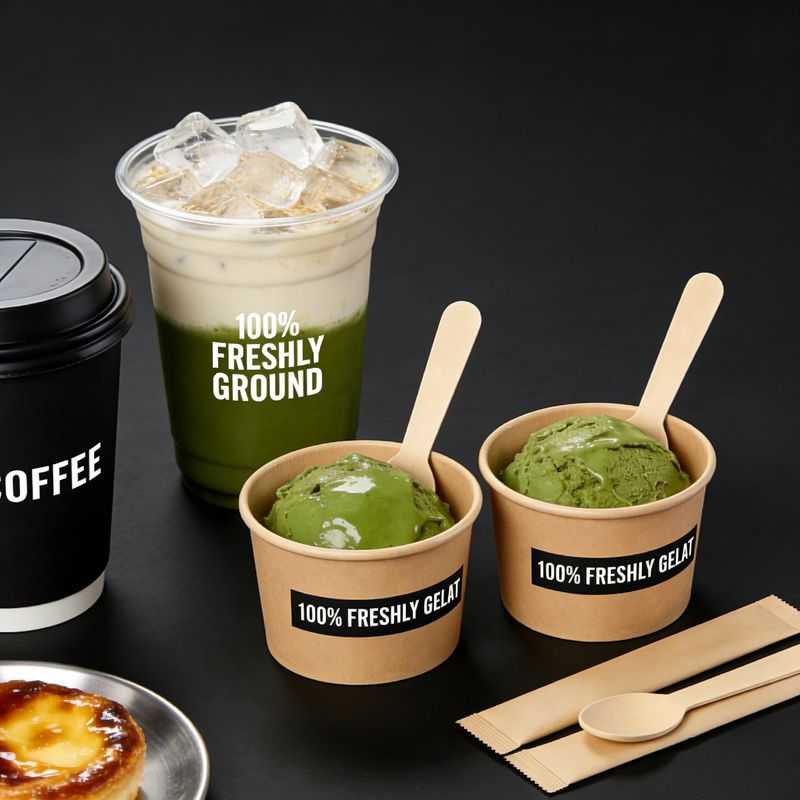
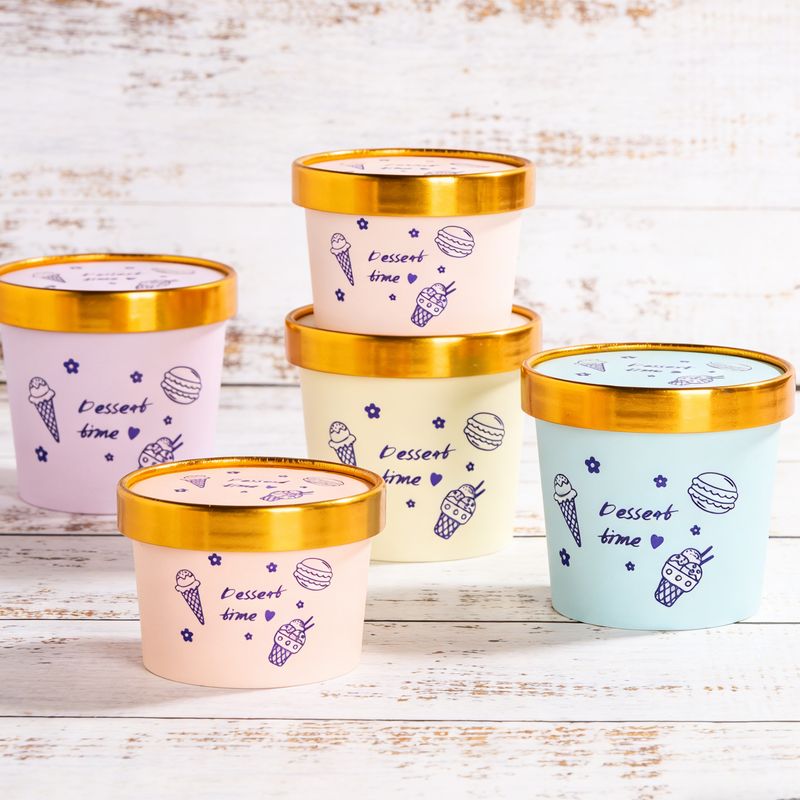
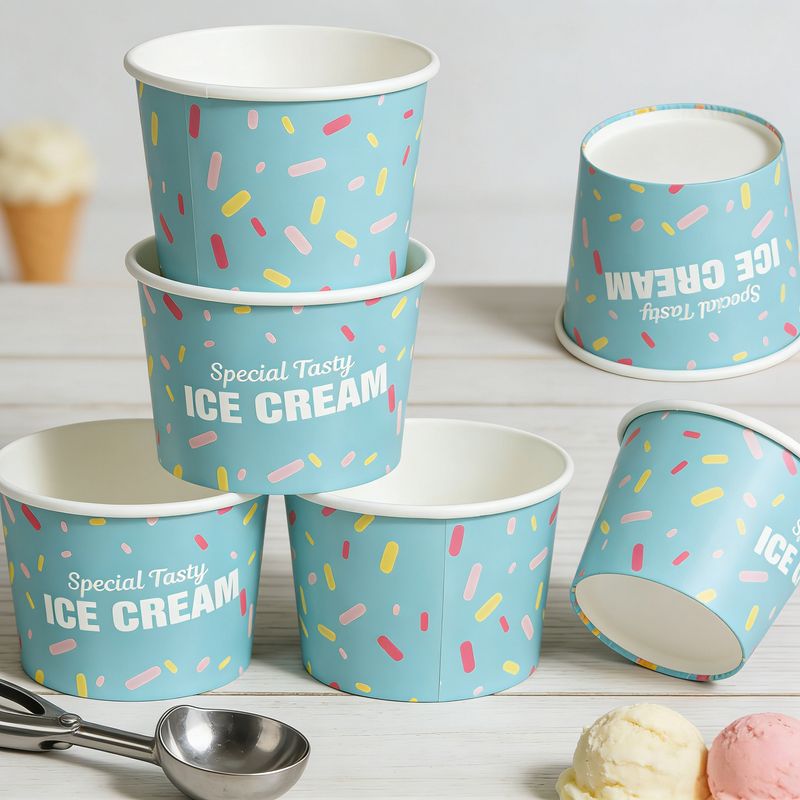
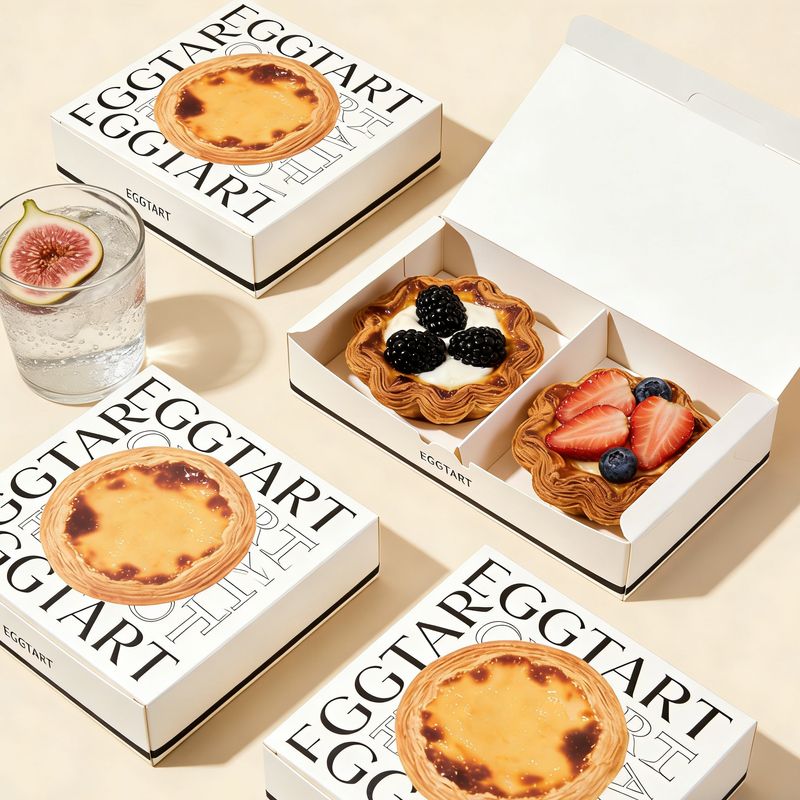
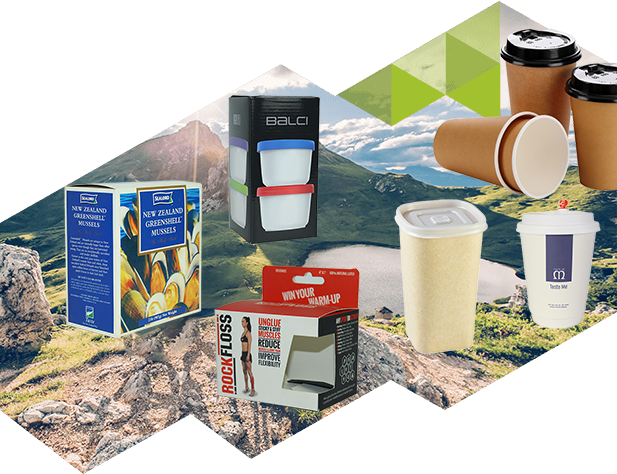
Tuobo packaging is committed to providing all disposable packaging for coffee shops, pizza shops, all restaurants and bake house, etc , including coffee paper cups, beverage cups, hamburger boxes, pizza boxes, paper bags, paper straws and other products.

All packaging products are based on the concept of green and environmental protection. Food grade materials are selected, which will not affect the flavor of food materials. It is waterproof and oil-proof, and it is more reassuring to put them in.

Euro Tote Bags Explained: What Makes Them the Industry Standard for Premium Packaging

Euro tote bags occupy a stable position in premium retail packaging because they solve a specific set of operational and branding requirements at the same time. In practice, they are not just shopping bags but engineered paper-based carriers designed to maintain structural integrity under repeated handling while delivering consistent visual branding across retail environments. This dual function—load performance and brand expression—explains why they have become a default specification in fashion, cosmetics, jewelry, and gift retail sectors.

What distinguishes the format is its controlled construction logic. Rather than relying on lightweight paper folding principles, euro totes are built through reinforcement layering, surface coating, and defined handle anchoring systems that collectively stabilize the bag during transport. The result is a packaging format that behaves predictably in both retail operations and consumer use, which is a critical requirement for multi-store or international brand systems.

1. Structural Logic Behind Euro Tote Construction

At a technical level, euro tote bags are defined by how materials are combined rather than by a single substrate choice. The outer layer is typically a high-GSM paper stock, often coated for print clarity and surface resistance, while the internal structure includes reinforcements that manage stress distribution during loading.

The top edge is commonly folded inward to create a reinforced rim, which prevents deformation during repeated opening and closing. At the base, a rigid bottom board is inserted to stabilize vertical load distribution, reducing sagging when products are placed inside. Handle systems are integrated through reinforced anchor points rather than simple adhesive attachment, ensuring that pulling force is distributed across a wider surface area instead of concentrating at a single tear point.

This layered construction approach is what separates euro totes from standard SOS or Kraft paper bags, which are typically designed for cost efficiency and short-cycle utility rather than sustained structural performance or consistent brand presentation.

2. Material Selection and Its Impact on Performance and Brand Perception

Lifestyle product shot of 5 styles TUOBO sage green system premium paper shopping bags with varied ribbon & rope handles, custom gold foil logo design, minimalist neutral green scene with natural soft light, high-end retail boutique gift packaging wholesale supplies

Material choice in euro tote production is not purely aesthetic; it directly affects stiffness, print fidelity, durability, and even perceived brand tiering. Most premium versions rely on coated art paper or high-grade kraft paper within a GSM range that typically sits between mid- and high-weight categories. As GSM increases, the bag gains rigidity and resistance to deformation, which in retail environments translates into a more stable premium feel during handling.

Coated paper systems are frequently selected when visual branding is central, since they allow higher resolution printing and stronger color saturation. Kraft-based structures, by contrast, are often used when brands prioritize material authenticity or sustainability messaging, even if it comes with reduced ink vibrancy. Increasingly, recycled paper grades are being introduced into this segment, although their performance depends heavily on fiber quality and whether additional coatings are applied.

Surface finishing further modifies the behavior of the material. Gloss coatings intensify visual impact under retail lighting, while matte finishes reduce reflection and align more closely with minimalist luxury branding trends. Soft-touch coatings introduce a tactile layer that influences perception through touch rather than sight, which has become increasingly relevant in premium packaging design systems. Selective UV treatments are often applied not for decoration alone but to create controlled visual hierarchy within the brand layout.

3. Handle Engineering and Load Distribution Mechanics

Handle systems in paper tote bags are often underestimated in their engineering importance, yet they define both usability and failure risk. Rope handles made from cotton or synthetic blends are commonly used in higher-end retail environments because they offer both tensile strength and visual alignment with luxury positioning. Ribbon-based systems introduce a more decorative function, typically used in gifting or cosmetics contexts where perceived elegance outweighs heavy load requirements. Twill handles sit between these extremes, balancing durability with cost efficiency.

The critical factor is not the handle material alone but how it is anchored into the structure. Reinforced patches or internal backing boards are used to distribute pulling stress across a larger surface area, reducing localized tearing risk. In more advanced constructions, metal eyelets may be introduced to stabilize the connection point further, particularly in applications where repeated reuse is expected.

4. Why Euro Tote Bags Became a Retail Standard Format

The widespread adoption of custom paper tote bags is less about design preference and more about operational standardization across global retail systems. Brands operating multi-location stores require packaging that behaves consistently regardless of geography, staffing, or handling conditions. Euro totes provide this predictability through repeatable manufacturing specifications that translate reliably across production batches.

At the same time, they function as mobile extensions of brand visibility. Once a purchase leaves the store, the bag effectively becomes a moving brand surface that carries identity into public environments. This secondary exposure layer is particularly valuable in dense retail districts where repeated visual contact reinforces brand recognition without additional media spend.

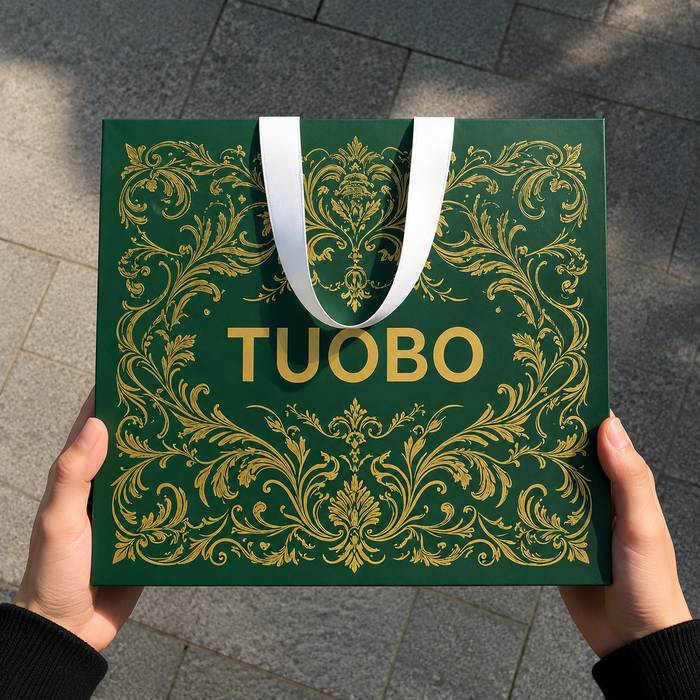
Real hands holding dark green embossed gold foil paper bag, outdoor grey pavement daylight shot, reusable custom logo carry bag for clothing & cosmetic boutique wholesale

From a production perspective, the format is also compatible with multiple printing and finishing technologies, including offset printing, foil stamping, embossing, and short-run digital customization. This flexibility allows brands to adapt packaging seasonally or regionally without redesigning the entire structural system, which is a significant advantage in fast-moving retail cycles.

5. Application Contexts Across B2B Retail Ecosystems

In fashion retail, euro tote bags are often integrated into the overall store experience as the final physical touchpoint before the customer exits the environment. Their structural firmness and visual consistency contribute to how product value is perceived immediately after purchase.

In cosmetics and fragrance, the role of packaging extends further into sensory branding. The tactile and visual qualities of the bag reinforce product positioning, especially in categories where differentiation is heavily perception-driven rather than functional.

Jewelry and small luxury goods typically rely on compact versions of euro totes where control over presentation scale becomes important. In these cases, the bag functions more as a protective presentation layer than a transport solution.

Outside traditional retail, euro totes are widely used in corporate gifting and event environments, where packaging quality directly reflects organizational identity. Trade shows and brand activations also rely on them for structured distribution of samples and printed materials, where consistency and durability are more important than cost minimization.

6. Procurement Considerations in Professional Packaging Decisions

From a procurement perspective, euro tote selection is typically evaluated through performance parameters rather than visual preference. Load capacity, for example, is defined not only by paper weight but also by reinforcement strategy and handle integration design. Similarly, print compatibility depends on both substrate coating and finishing requirements, especially when metallic foils or high-density color fields are involved.

Cost structures are influenced by multiple variables including material grade, finishing complexity, and order volume scaling. Laminated constructions tend to increase production cost but may be justified in environments where moisture resistance or visual durability is required. At the same time, lead times can vary significantly depending on whether the design involves standard die-cut formats or custom structural modifications.

Sustainability considerations are increasingly integrated into procurement decisions, particularly in markets where regulatory frameworks or brand ESG requirements are in place. However, recyclability is not uniform across euro tote types; it depends heavily on whether single-material paper structures are used or whether laminated layers introduce composite separation challenges.

Conclusion

Euro tote bags function as a standardized premium packaging system rather than a purely aesthetic retail accessory. Their sustained relevance in global retail comes from the balance they create between structural engineering, scalable production, and brand communication consistency. As packaging systems continue to integrate sustainability and customization requirements, the format is evolving rather than being replaced, reinforcing its position as a baseline specification in premium retail supply chains.

In practice, this level of consistency depends heavily on manufacturing capability. TUOBO PACK supports global brands with industrial-scale production systems, stable quality control processes, and coordinated export logistics across EU and US markets. Each project is managed with controlled material sourcing, color calibration, and structural verification to ensure repeatable performance across large-volume orders.

Contact TUOBO PACK to develop a customized euro tote packaging solution tailored to your retail system, branding requirements, and wholesale procurement needs.

TUOBO FAQ

Q1: What materials are commonly used in euro tote bags?

A1: Coated art paper, kraft paper, and recycled paper grades, typically ranging from 157–250 GSM depending on strength requirements.


Q2: Are euro tote bags recyclable?

A2: It depends on construction. Uncoated kraft-based versions are more recyclable, while laminated or multi-material structures have reduced recyclability.


Q3: What is the typical weight capacity?

A3: Most standard euro totes support approximately 3–15 lbs depending on paper grade, reinforcement, and handle design.


Q4: Why are euro totes more expensive than standard paper bags?

Cost drivers include heavier GSM paper, lamination processes, reinforced base structures, and higher-spec handle systems.


Q5: Which industries use euro tote bags most?

A5: Fashion retail, cosmetics, jewelry, luxury gifting, and branded corporate events dominate usage.

We always adhere to customer demand as the guide, providing you with high-quality products and thoughtful service. Our team is composed of experienced professionals who can provide you with customized solutions and design suggestions. From design to production, we will work closely with you to ensure that your customized hollow paper cups perfectly meet your expectations and exceed them.

Write your message here and send it to us

See What We Can Create for You

Ready to Start Your Paper Cups Project?

Write your message here and send it to us

Post time: Jun-18-2026