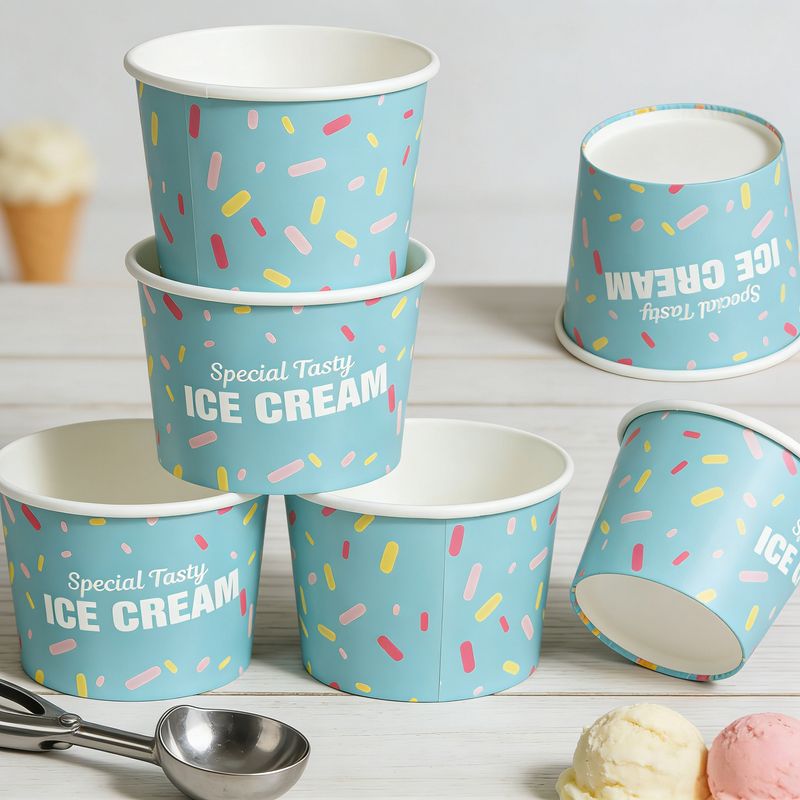
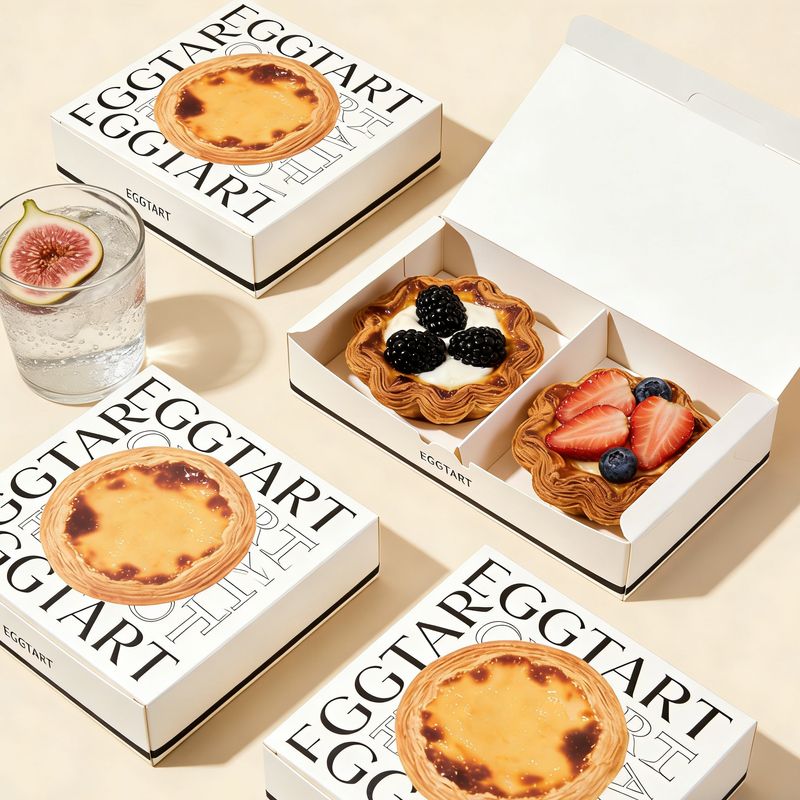
Rigid boxes take more space. Folding cartons save space and reduce shipping cost. This is very important for large orders.
2. Production Lead Time
Rigid boxes take more time to produce. The process includes cutting, wrapping, and manual assembly. So the lead time is longer.
Folding cartons are faster. Machines can print and cut large volumes quickly. This makes them a better choice for fast-moving products and quick restocking.
At TUOBO PACK, we help customers plan production. We offer fast sampling and stable lead times, so you can launch products on time.
3. Design and Customization
Both rigid boxes and folding cartons support full customization, but they serve different design objectives. Understanding this distinction is essential when building a packaging strategy that aligns with your brand identity.
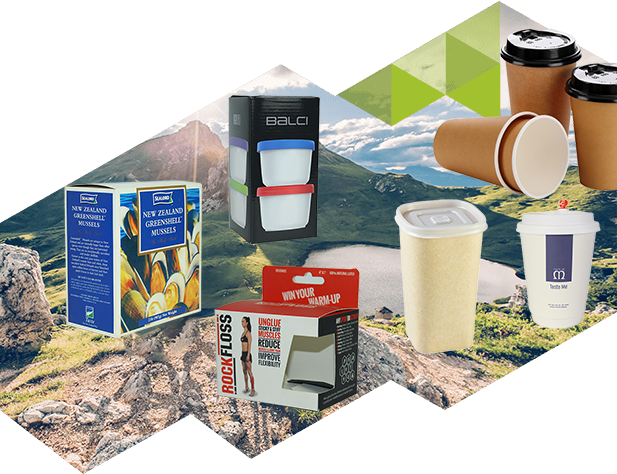
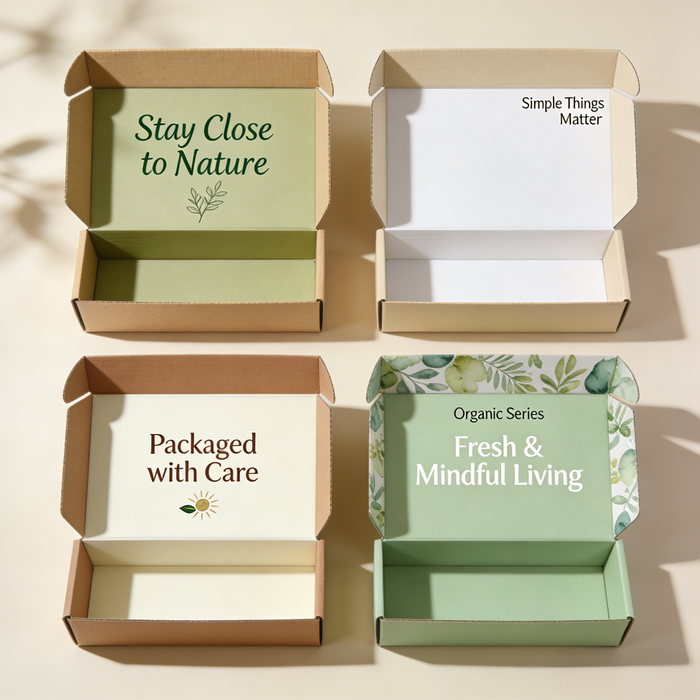
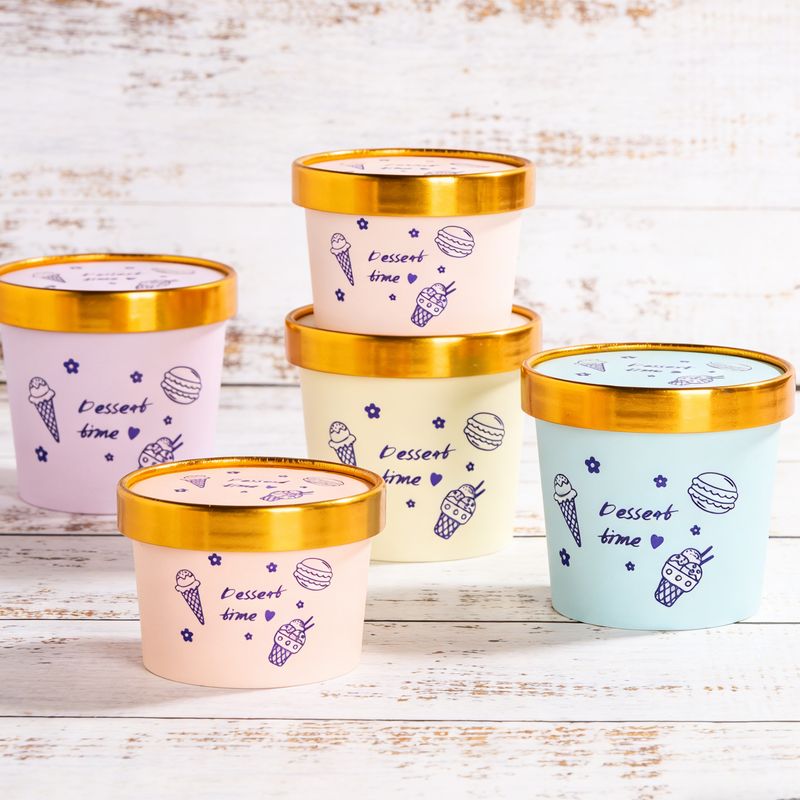
Folding cartons are highly adaptable in terms of graphic design and visual communication. They support high-resolution offset printing, vibrant color reproduction, and complex dieline structures. This makes them ideal for retail shelf visibility, where bold visuals and clear messaging drive consumer attention. Brands can easily experiment with different sizes, formats, and seasonal artwork without significantly increasing costs.
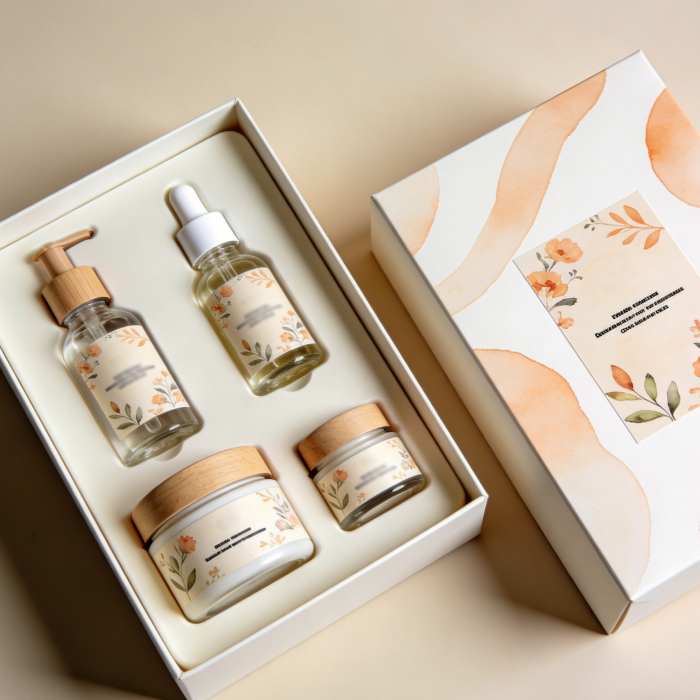
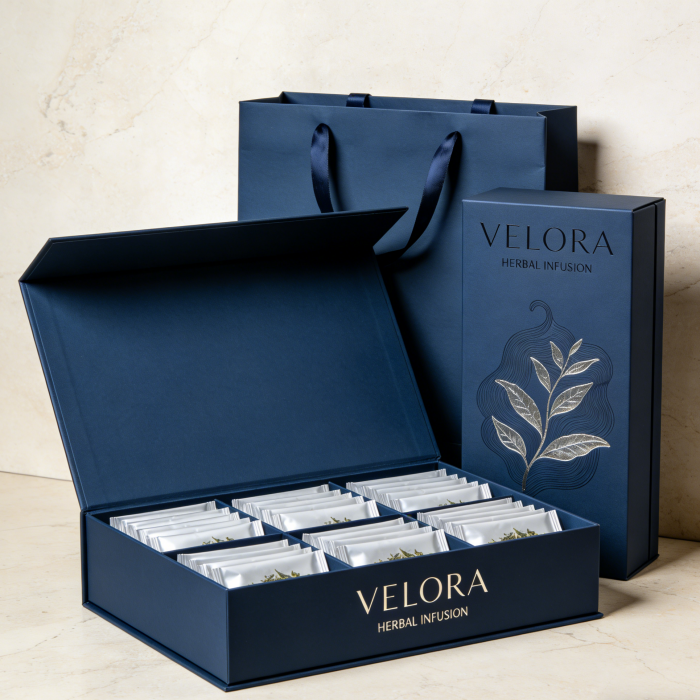
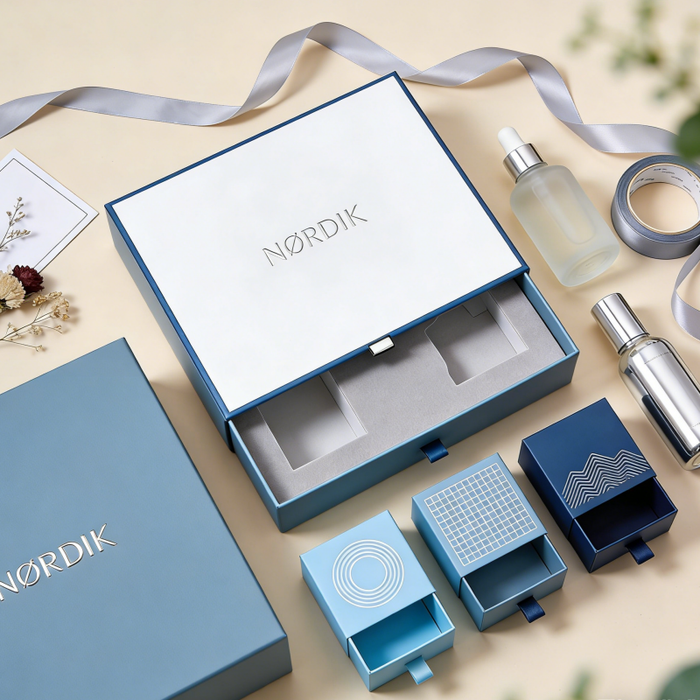
Rigid boxes, on the other hand, emphasize tactile experience and perceived luxury. Their thicker structure allows for advanced finishing techniques such as:
Foil stamping (gold, silver, holographic)
Embossing and debossing
Soft-touch lamination
Textured specialty papers
Magnetic closures and ribbon pulls
These elements create a multi-sensory brand experience, which is especially important in premium segments like cosmetics, electronics, and gift packaging.
Another key difference lies in design intent:
Folding cartons are optimized for efficiency, branding clarity, and retail practicality
Rigid boxes are designed for emotional impact, storytelling, and premium positioning
From a strategic perspective, packaging design is not just about aesthetics—it directly influences how customers perceive product quality before even opening the box. Choosing the right format ensures your packaging communicates the right message at the right moment.
4. Durability and Protection
| Feature |
Rigid Boxes |
Folding Cartons |
| Strength |
High |
Medium |
| Protection |
Excellent |
Moderate |
| Best Use |
Fragile products |
General products |
Rigid boxes protect products better. They are ideal for fragile or expensive items. Folding cartons work well for products that are not easy to break. You can also add inserts to improve protection.
5. Logistics and Storage
Rigid boxes are bulky. They take more space in shipping and storage. This increases cost.
Folding cartons are flat. They save space and reduce shipping cost. This is why many e-commerce brands prefer them.
Some brands use both. They ship products in folding cartons and use rigid boxes for display or gift sets.
6. Sustainability Considerations
Folding cartons are easier to recycle. They use less material and have a lower carbon footprint. This makes them a better choice for eco-friendly packaging.
Rigid boxes can also be sustainable if made with recycled materials. Many customers reuse them, which extends their life.
Today, many brands focus on simple and eco-friendly packaging. This is an important trend in the US and Europe.