Paper
Packaging
Manufacturer
In China

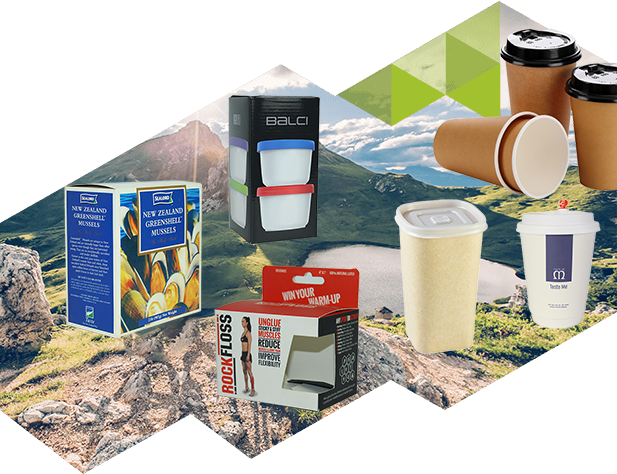
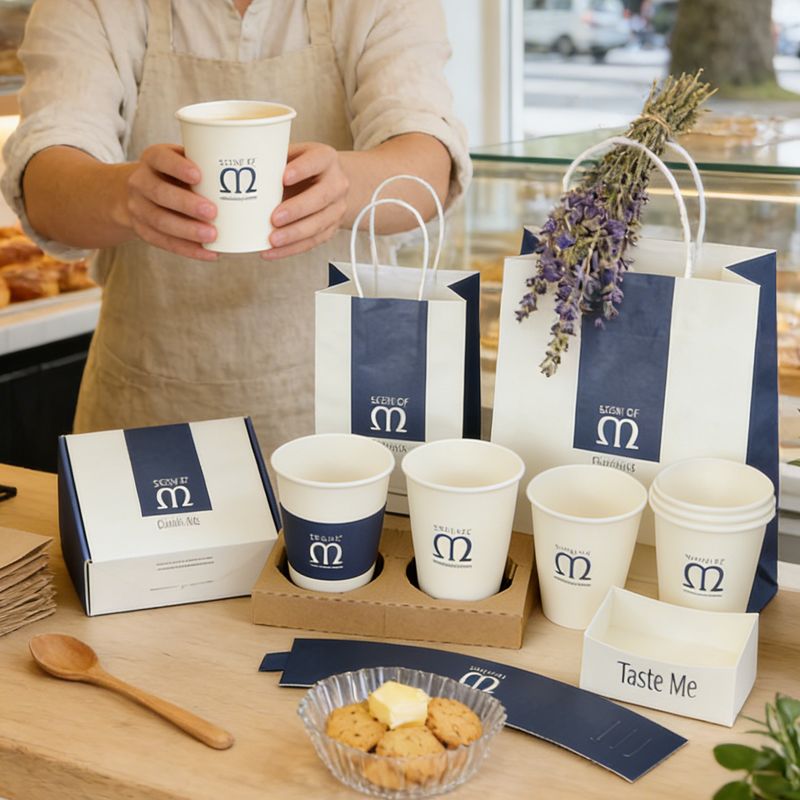
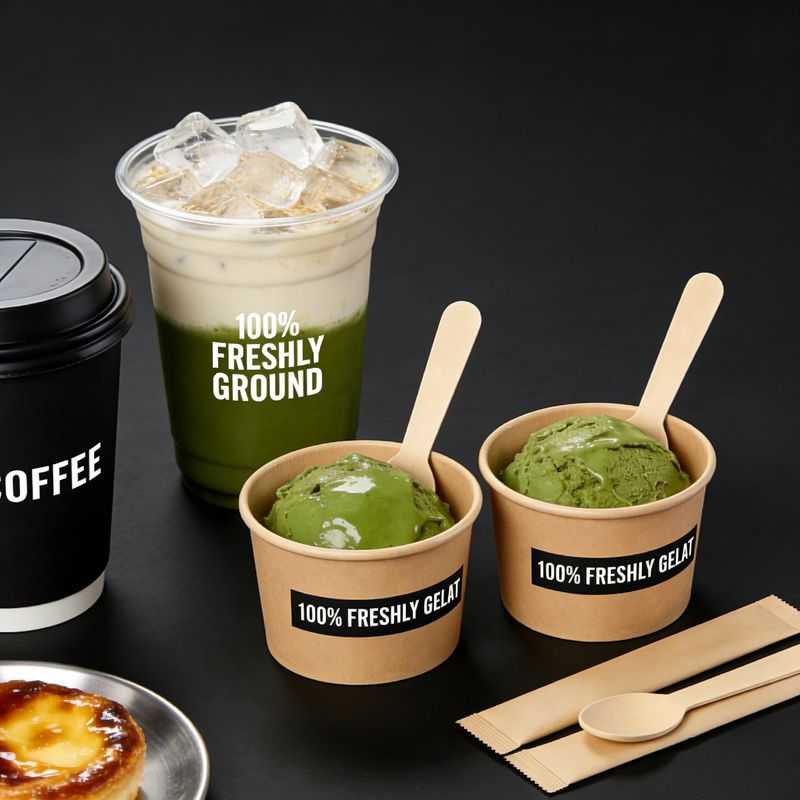
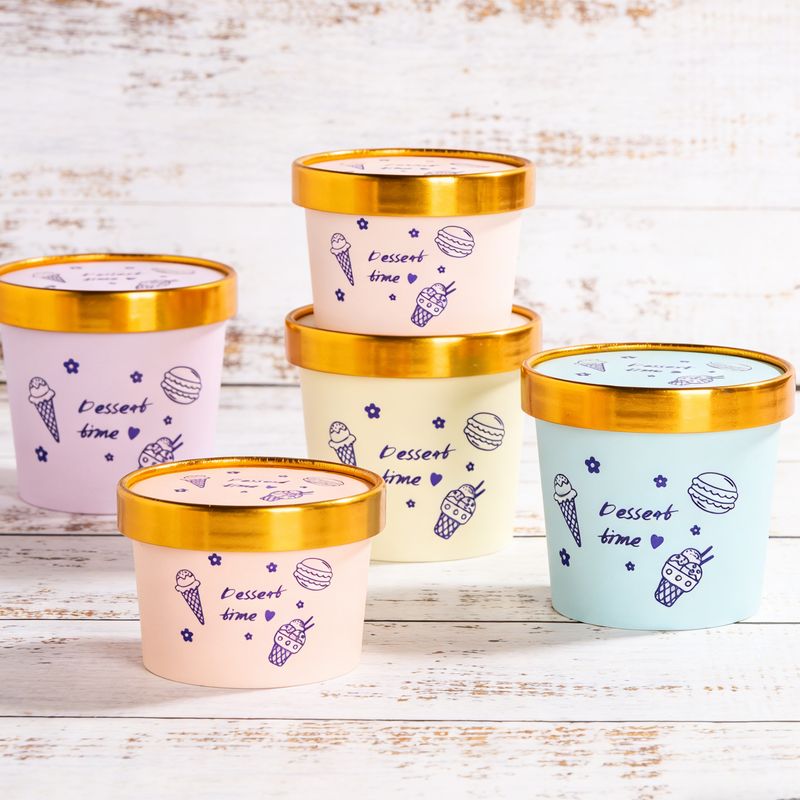
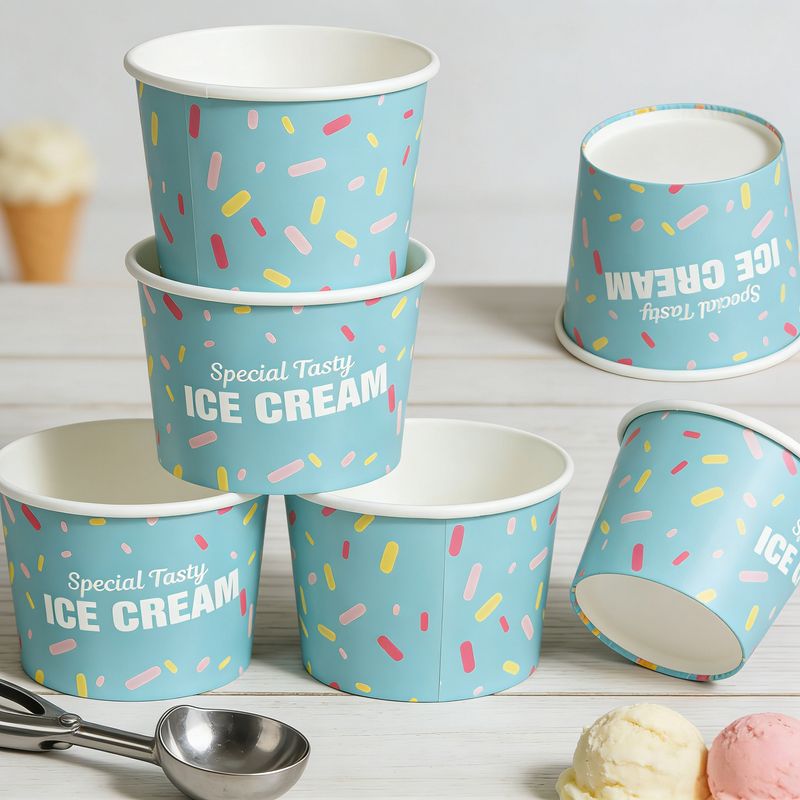
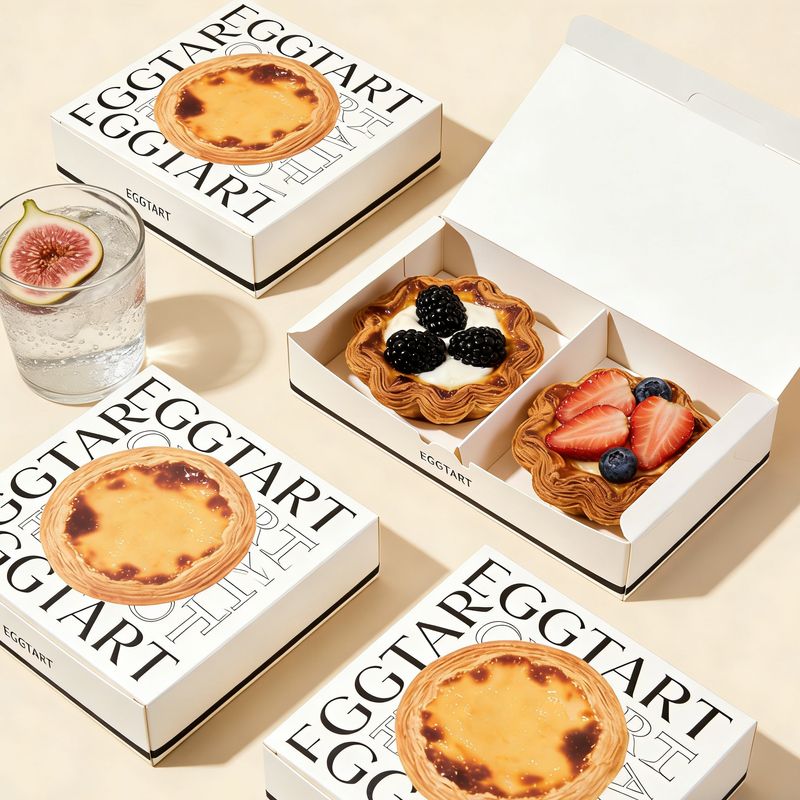
Tuobo packaging is committed to providing all disposable packaging for coffee shops, pizza shops, all restaurants and bake house, etc , including coffee paper cups, beverage cups, hamburger boxes, pizza boxes, paper bags, paper straws and other products.

All packaging products are based on the concept of green and environmental protection. Food grade materials are selected, which will not affect the flavor of food materials. It is waterproof and oil-proof, and it is more reassuring to put them in.

Paper Bags vs Plastic Bags: A Complete Comparison for Businesses

Packaging does more than just hold your products. It changes how shoppers see your brand, affects how much you spend on daily operations, and keeps your business aligned with local industry rules. If you are a business buyer sorting out packaging choices, picking between paper bags and plastic bags will shape your spending budget, delivery arrangements, brand reputation and green development plans for a long time ahead.

We lay out real differences between these two common bag types right here. You can judge each option by cost strength, service life, brand display value, transport arrangement and eco-friendly features. In this way, you will make solid and practical decisions that truly fit your business packaging needs.

1.Paper Bags Basic Introduction

1.1 Material and Basic Structure

Workers make paper bags from kraft paper, plain cardboard or recycled paper sheets. You can find them in light, standard and heavy thickness levels. These bags keep a firm shape when loaded. Most styles come with flat or twisted paper handles, and you can add special coatings to stop water and oil from seeping inside. Suppliers send finished bags directly, or pack them flat so your staff can fold and use them quickly.

1.2 Daily Application Scenarios

You can use paper bags to pack clothes and gift items, as well as high-end retail goods. Cafes and bakeries also rely on them to pack dry takeaway food. Shopping malls and small boutique stores choose these bags for regular checkout use. Many companies take them as gift packing bags and activity handouts too.

1.3 Clear Strengths

They carry a natural and premium look that leaves a nice impression. Natural paper breaks down easily in nature and people can recycle used bags without trouble. You can print sharp logos and brand patterns on the surface with ease. Raw paper materials come from renewable forest resources, and you may select FSC certified paper stock as well. Customers hold positive views toward brands that use paper packaging.

2. Plastic Bags Basic Introduction

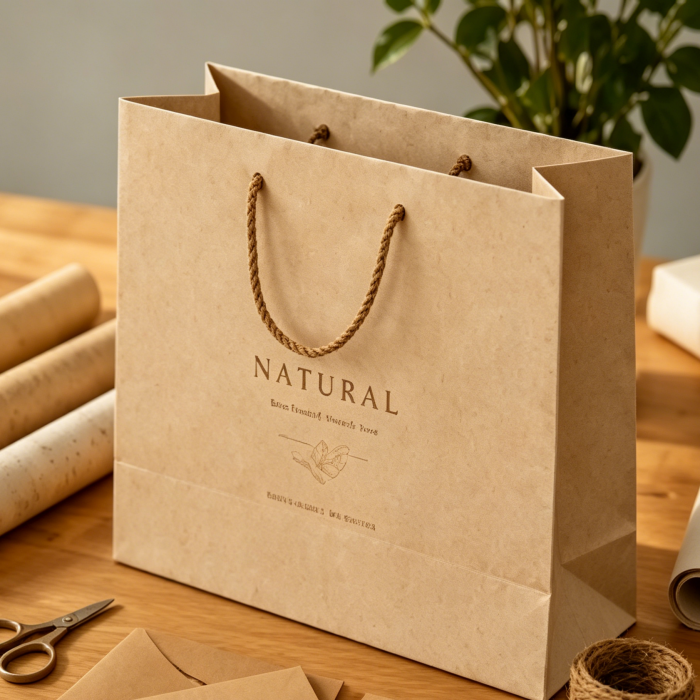
Natural handmade kraft paper bag displayed with scissors, twine, and paper rolls on a wooden table, showcasing artisanal packaging materials.

2.1 Material and Basic Structure

Manufacturers produce plastic bags with thin HDPE or LDPE plastic film. These bags feel soft and bend freely. Water cannot pass through the material, and each piece weighs very little. Goods arrive folded flat or rolled up, so your team can take and use them instantly. Thicker plastic bags support repeated use, yet businesses do not pick this style often for single daily packing work.

2.2 Daily Application Scenarios

Local supermarkets and neighborhood shops use plastic bags all the time. They fit fresh wet produce and frozen food perfectly. Stores with large daily sales volume turn to these low-cost bags for quick checkout service. People also use them as simple daily carrying tools in regular life.

2.3 Clear Strengths

Each single bag costs very little money. The material stands well against water damage and tearing pressure. Light weight helps cut down shipping and storage fees. Factories finish large orders in short time to meet high market demand. Even thin plastic packaging can hold heavy goods steadily.

3. Paper Bags vs Plastic Bags: Straightforward Side-by-Side Look

3.1 Cost Gap

Comparison Item Paper Bags Plastic Bags
Single Item Price Medium to high Quite low
Delivery Expense Medium level Very low
Storage Room Needed Moderate space Tiny space
Suitable Business Type Brand focused retail, high-end service Large sales volume, cost controlled business

Plastic bags help you cut down basic spending, so they work well if you want to control daily costs tightly. Paper bags cost more at first purchase. They bring extra value later as your brand gets more exposure and users reuse the bags many times.

3.2  Production Speed and Delivery Time

Plastic bag production runs fast on automated machines. Factories handle big orders smoothly and send goods out quickly when you need stock refills. Paper bags go through cutting, folding, handle fitting and printing steps one by one. Orders with custom brand designs will take more days to finish and deliver.

3.3  Sturdiness and Practical Performance

Functional Feature Paper Bags Plastic Bags
Water Proof Ability Weak effect, coatings can improve it Strong protective effect
Anti-Tear Performance Average level Strong resistance
Weight Bearing Capacity Stable support for thick paper types Reliable heavy load holding
Reuse Frequency Users tend to reuse often Most users throw away after one use

Paper bags serve you well with dry goods and medium weight products. Shoppers like to keep these bags for repeated use. Plastic bags stay intact in wet surroundings and carry heavy loads safely. Most people will not keep them for long term use after shopping.

3.4 Brand Marking and Custom Design

Both bag styles accept custom changes, yet they serve different brand goals. You can print simple logos and basic marks on plastic bags with one or two color ink only. Paper bags support clear detailed printing, mixed color design, hot foil patterns and surface texture processing. They move around public places and spread your brand influence naturally. Paper packing lifts product quality feelings among buyers. Plastic bags focus more on basic use instead of visual brand promotion.

3.5 Storage and Goods Transport

Plastic bags take almost no room when stacked together. Small storage space and light weight keep your transport costs low. Paper bags need more placing space in comparison. Flat packed designs still save space enough to balance storage needs and brand display benefits.

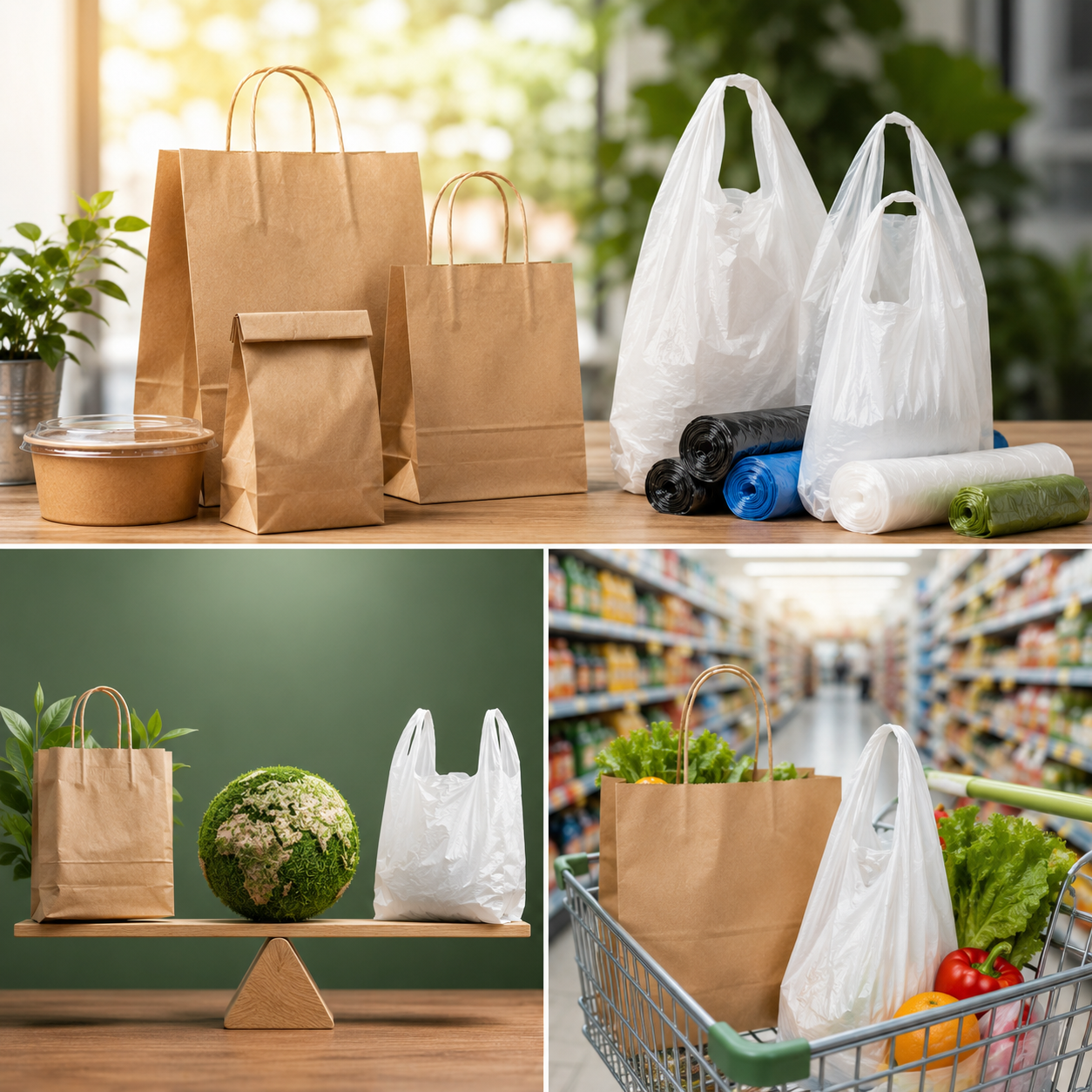
Collage comparing brown kraft paper bags and white plastic bags in retail settings, including storage, environmental balance scale, and grocery cart use

3.6 Influence on Natural Environment

People talk most about environmental differences between the two bags.

There are clear differences in usability and eco performance between paper bags and plastic bags. Plastic gains advantages in production and logistics efficiency, while paper achieves better recycling effects. Regular reuse of packaging bags is still the most practical way to reduce carbon footprint effectively.

Plastic bags take fuel based raw materials that cannot grow back in nature. They stay unchanged in soil and water for hundreds of years. Waste plastic hurts natural living environments and creates tiny harmful particles. Paper bags use wood based raw materials that grow again constantly. Used paper breaks down within several months and recycling channels cover most areas. Modern paper bag makers use recycled paper or qualified forest resources. Paper production uses more water and energy at first. Its final damage to nature stays far lower than discarded plastic products.

3.7 Local Rules and Consumer Buying Habits

More areas set limits on disposable plastic products. Many places ban thin plastic bags or collect extra fees for their use. Ordinary shoppers connect paper bags with eco friendly ideas. They feel more satisfied when brands offer paper packing choices. Many businesses adopt two packing ways at the same time. Staff use plastic bags for inner store work and daily simple packing. They hand paper bags to customers during checkout to show brand taste.

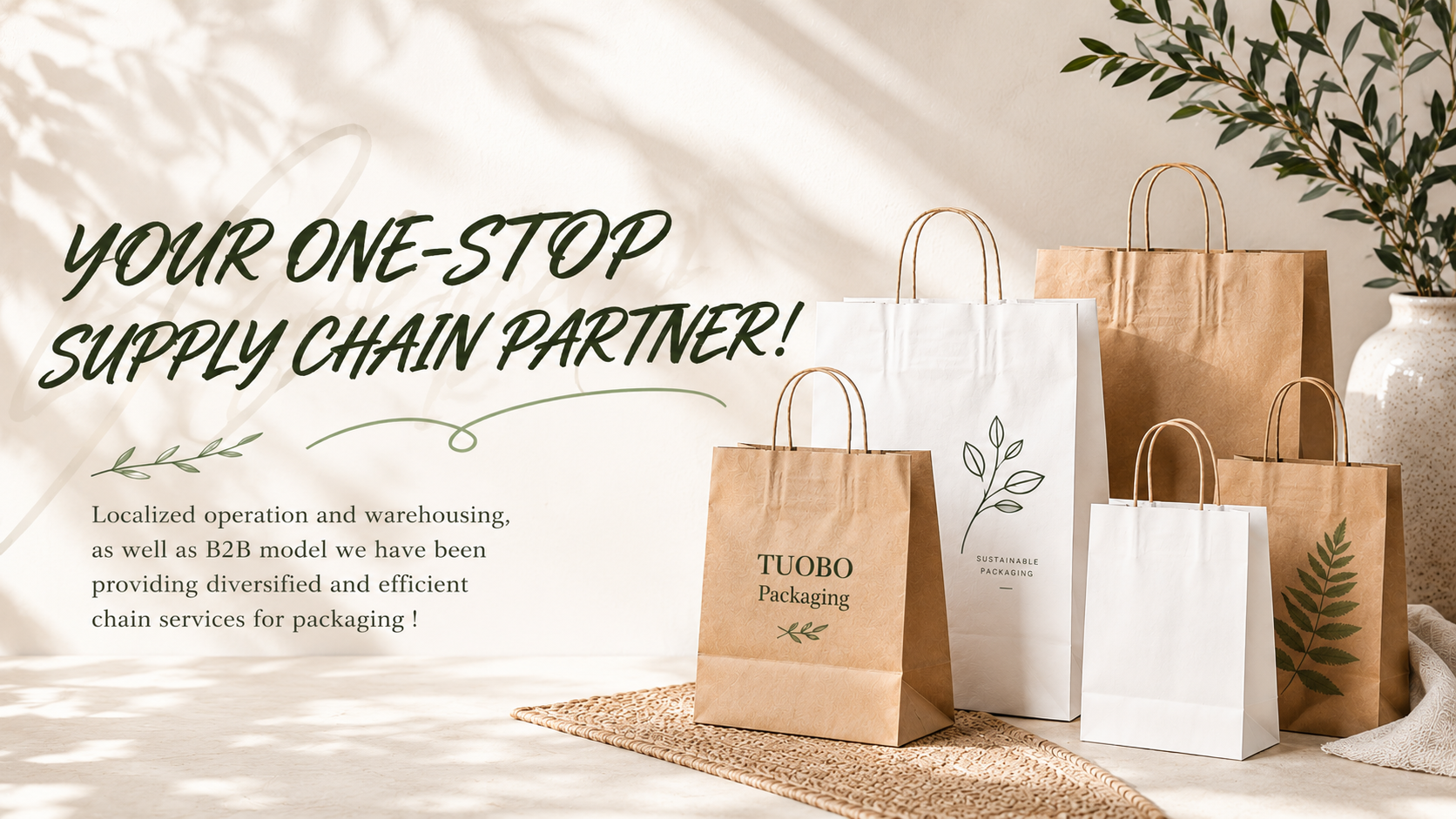
 Tuobo Packaging sustainable kraft paper bags in natural brown and white, styled with greenery and text "YOUR ONE-STOP SUPPLY CHAIN PARTNER" for B2B wholesale use.

4. How You Pick The Right Bag For Daily Business

No single choice works for every company. Your final decision rests on product types, customer groups and long term business aims. Choose paper bags when you hope to build high-end brand images, follow green business ideas and offer attractive reusable packing. Choose plastic bags when you face strict budget limits and need waterproof packing for large daily sales. You can use both styles reasonably. Keep plastic bags for internal store use, and prepare paper bags for customer face-to-face service.

5.Find Trusted Packaging Cooperation Partners

Good packing choices push business growth, and reliable suppliers bring more steady support. Qualified manufacturers supply both paper and plastic packing solutions. They help you finish design adjustment, accept small starting orders, make sample products fast and keep fixed delivery schedules. You can get branded paper bags for retail sales or mass plastic bags for regular daily use. Experienced producers balance cost standard, product quality and brand spreading effects for your business.

Final Summary

Paper bags and plastic bags hold separate practical values for business use. Paper bags build fine brand images and follow green development trends. Plastic bags cut daily costs and meet basic packing demands easily. Smart business owners set packing plans based on actual situations. They match bag styles with sold goods, customer expectations and future brand development plans. You can protect goods safely, win customer recognition and keep steady business profits after learning cost level, sturdiness, brand value, transport needs and environmental influence clearly.

TUOBO FAQ

Q1: Can I use both paper and plastic bags in my shop?
A:Yes, lots of brands run with two packing types. Plastic bags handle common large volume packing work. Paper bags serve gift packing and formal customer checkout occasions.

Q2: Do paper bags hold heavy goods safely?
A:Heavy duty kraft paper bags with reinforced handles hold clothes, boxed goods and daily food items without safety risks.

Q3: Will plastic bags get banned completely everywhere?
A:Related rules change in different regions. Thin disposable plastic bags face strict restrictions in most areas. Thick reusable plastic bags still get permission in certain places, and paper bags meet official standards widely.

Q4: What ways make paper bags more eco friendly?
A:Select recycled paper or FSC certified paper materials. Reduce surface coatings that stop recycling work, and remind customers to reuse bags properly.

Q5: Which packing style wins better customer feedback?
A:Most shoppers prefer paper bags. People think these bags look nicer and care more about eco friendly use in clothing, retail and food service industries.

You can share your business field, product kinds and monthly order volume. We will work out proper paper packing, plastic packing or mixed packing plans that suit your demands.

We always adhere to customer demand as the guide, providing you with high-quality products and thoughtful service. Our team is composed of experienced professionals who can provide you with customized solutions and design suggestions. From design to production, we will work closely with you to ensure that your customized hollow paper cups perfectly meet your expectations and exceed them.

Write your message here and send it to us

See What We Can Create for You

Ready to Start Your Paper Cups Project?

Write your message here and send it to us

Post time: May-22-2026