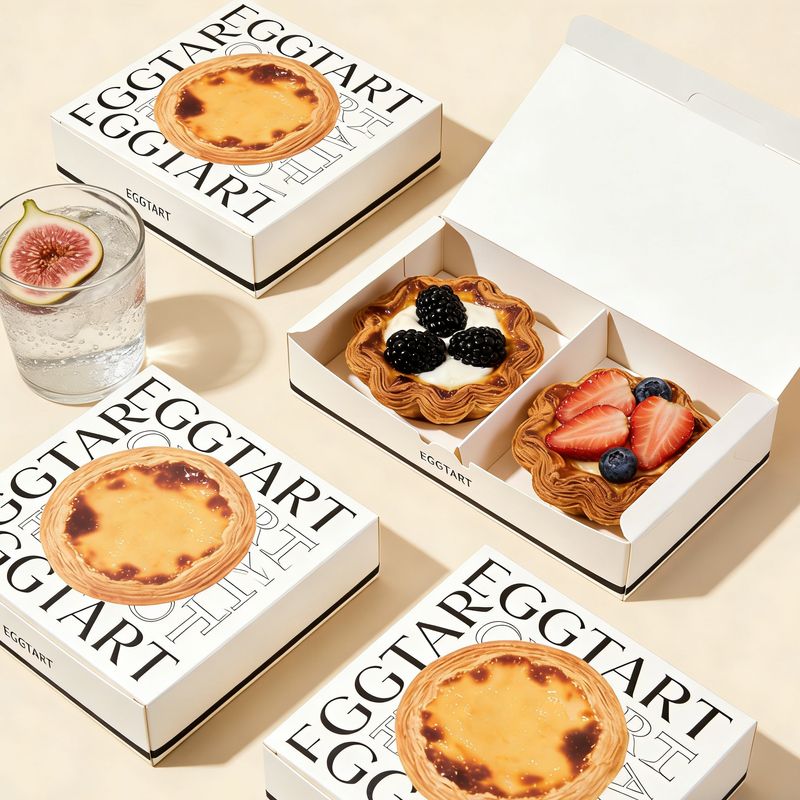
Q1: If I already have an existing packaging design, can you adjust it to meet recycling standards without changing the look?
Absolutely — and this is actually one of the most common requests we get. In most cases, we can keep your brand colors, structure, and overall feel intact while switching out the problematic elements. That might mean replacing a UV coating with a water-based varnish, swapping a PET window for a paper aperture, or adjusting the adhesive spec. We review your existing design files first and tell you exactly what needs to change and why. Most brands are surprised by how little has to shift visually.
Q2: How long does it take to get FSC or How2Recycle certification? Does TUOBO PACK handle that process?
Certification timelines vary. FSC chain-of-custody certification typically takes 4–8 weeks if you're applying fresh, though we already hold FSC certification ourselves, which means your products made with our certified materials can carry the FSC label without you going through a separate audit. How2Recycle requires a label application and recyclability assessment — usually 3–6 weeks. We handle the documentation, material data sheets, and correspondence on your behalf. You focus on the product; we handle the paperwork.
Q3: I'm selling in both the US and EU. Do I need to meet two different sets of standards?
Yes — but it's more manageable than it sounds. The US (How2Recycle) and EU (PPWR) have different requirements, but the packaging specs that satisfy PPWR tend to be stricter, so designing to EU standards first usually means your packaging passes in the US as well. We design for the most demanding market in your distribution map and work backward. If you tell us which countries you're selling into, we'll map the requirements for you upfront.
Q4: Does switching to eco-compliant materials cost significantly more?
It depends on what you're switching from. Moving from PE laminate to water-based coating, for example, is often cost-neutral or even slightly cheaper per unit at volume. Replacing PET window film with a die-cut paper aperture can reduce material costs while adding structural interest. Where costs do go up is in certification and testing — but those are one-time or annual costs, not per-unit. We give you a full cost breakdown before any commitment so you know exactly what you're comparing.
Q5: What's the minimum order quantity for custom eco-friendly paper packaging?
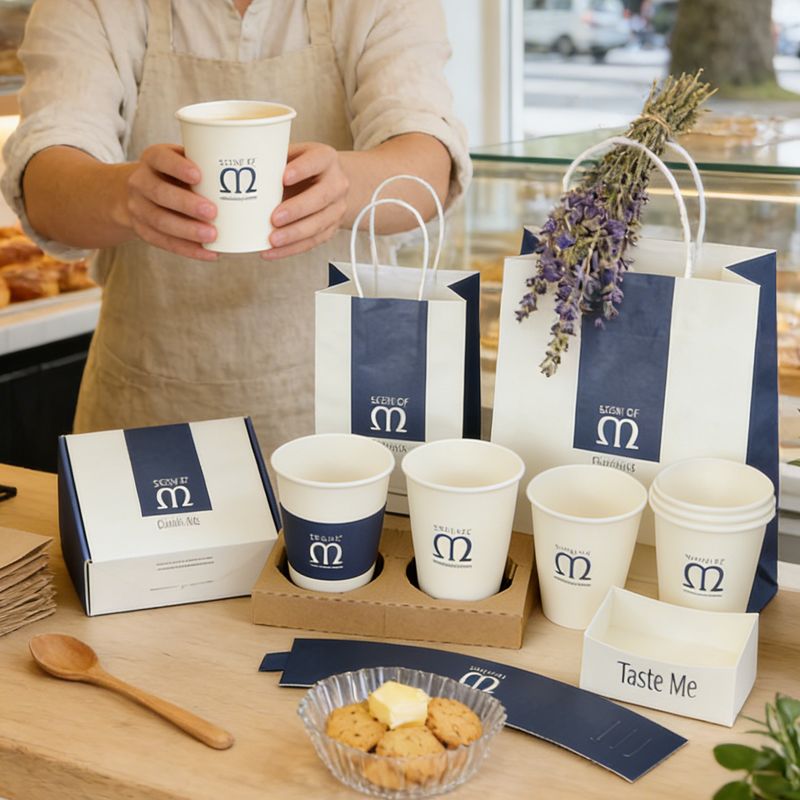
It varies by product type. For custom paper boxes, we can work with runs starting around 1,000–3,000 units depending on the structure and spec. For paper cups, minimum quantities are typically higher due to printing and tooling setup. If you're testing a new product line or a new market, we offer sample runs at small quantities specifically for compliance verification and market testing — we'd rather you get the spec right on 500 units than discover a problem at 50,000.
Q6: Can your packaging hold up in humid or refrigerated conditions without a plastic coating?
Yes, and this is one of the questions we get most often from food brands. Water-based barrier coatings have come a long way. For most chilled and ambient food applications — bakery, confectionery, dry goods, coffee cups — a well-formulated water-based coating provides sufficient moisture resistance for shelf life without PE lamination. For direct-freeze or high-moisture applications, we'll be honest with you about where the limits are and suggest the best available compliant alternative.
Q7: My brand uses metallic gold and silver heavily. Do I have to give those up entirely?
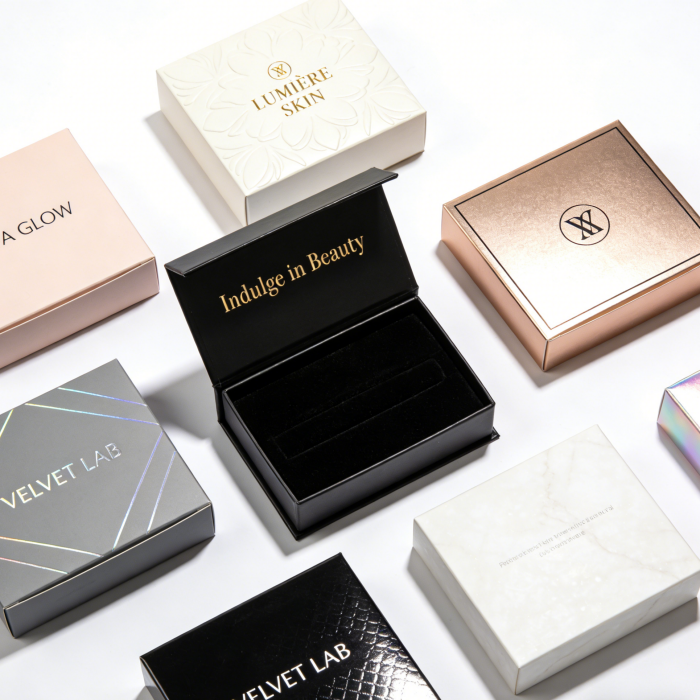
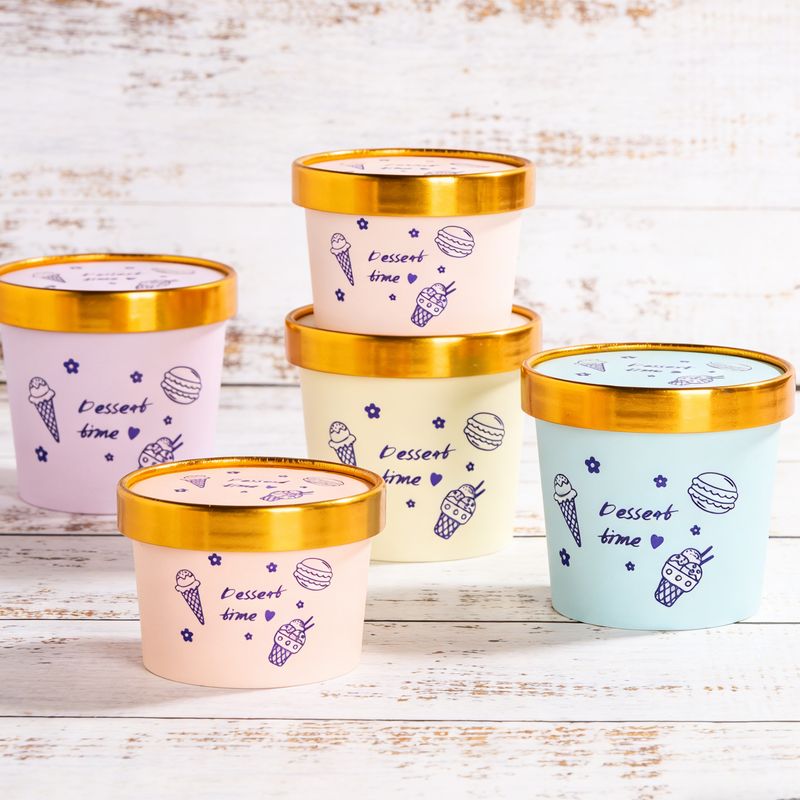
Not entirely — but the approach changes. Standard hot foil stamping is a risk in most EU recycling streams, but dry embossing combined with water-based metallic inks can create a very similar visual effect and pass recyclability assessments. We've done this for several premium brands that were not willing to lose their metallic identity. We'll always show you samples side by side so you can make an informed call rather than just taking our word for it.