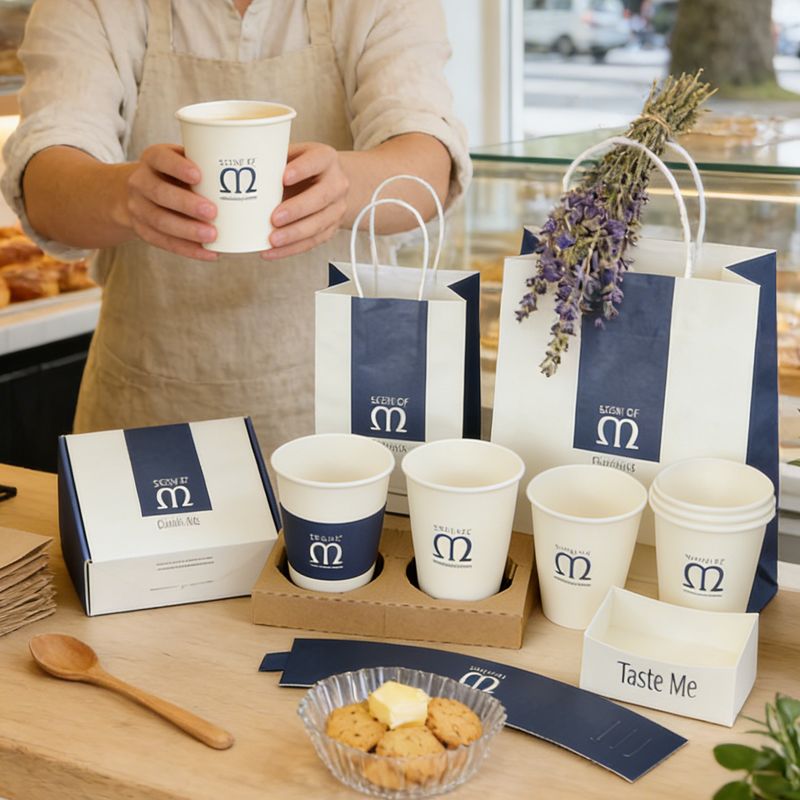
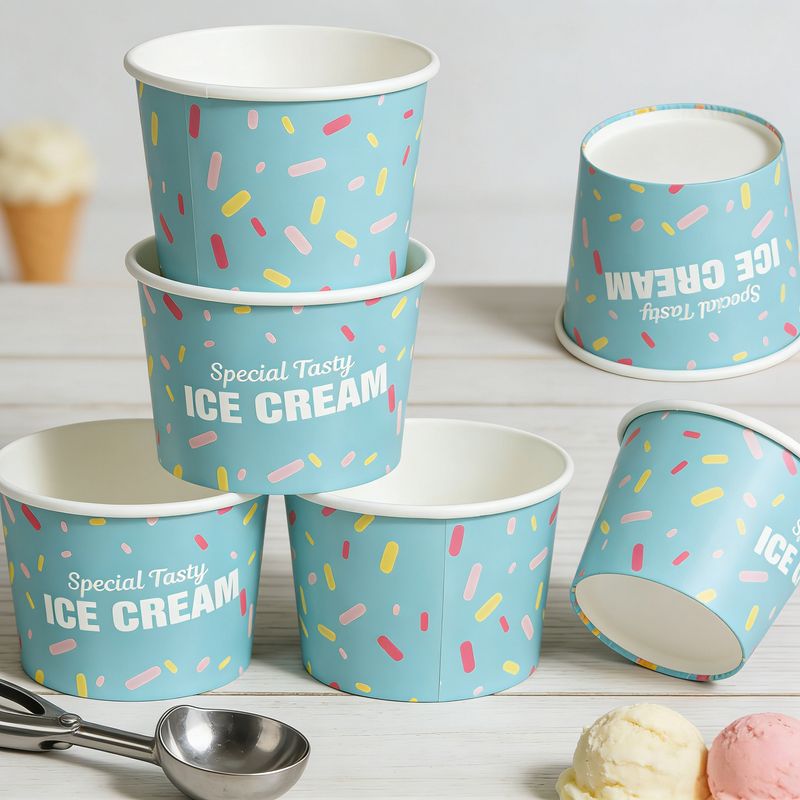
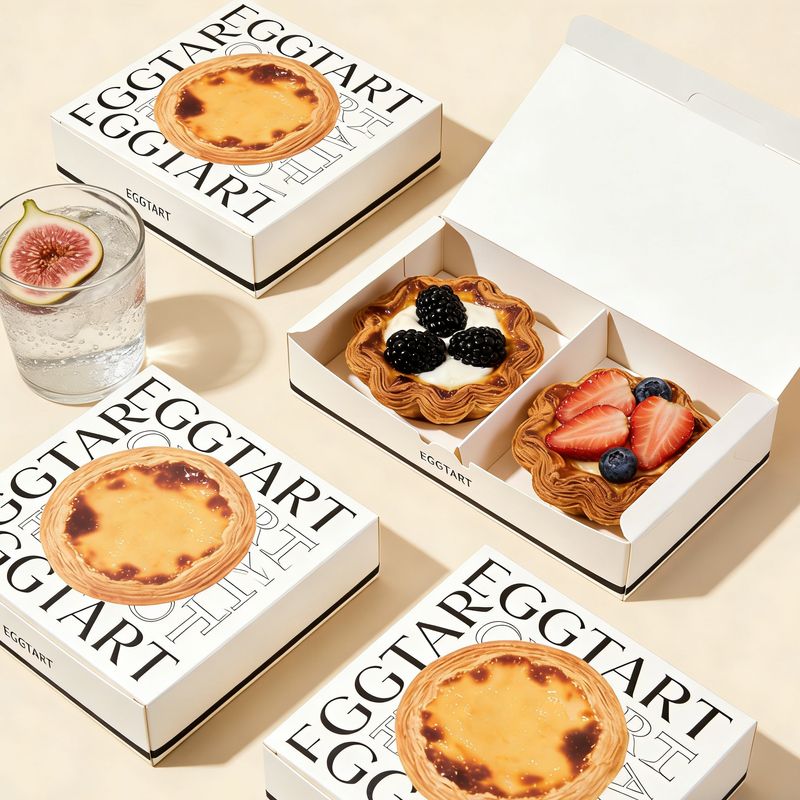
Understanding the main rules is important. These rules affect materials, design, labeling, and communication with suppliers.
1. Recyclability is a Must
From 2030, all packaging in the EU must be recyclable. Paper packaging should:
Work with current recycling systems
Not include materials that make recycling hard, like hard-to-remove plastic coatings
Buyers should:
Choose water-based coatings
Avoid traditional PE-coated cups or bowls
| Material |
Recyclability |
Suggestion |
| PE-coated paper |
Low |
Avoid for EU |
| Water-based coated paper |
High |
Preferred |
| Single-material paperboard |
High |
Highly recommended |
2. Reduce Packaging
PPWR asks that packaging is not overdesigned. Too thick or extra layers are not allowed. Oversized boxes or cups are also a problem.
Tips:
Use just enough paper weight (GSM) for strength
Make structures that are enough, not too much
We offer eco-friendly paper food containers that follow these rules without losing quality or print clarity.
3. Use Recycled Materials
PPWR encourages recycled fibers. For food contact, safety is also important. Packaging must meet EU 10/2011 rules. Some recycled paper is not suitable for direct food contact.
Always check for compliance certificates and testing.
4. Compostable Does Not Mean Compliant
Some think compostable packaging meets PPWR automatically. This is not true. PPWR prefers packaging that is:
Reusable
Recyclable
Compostable
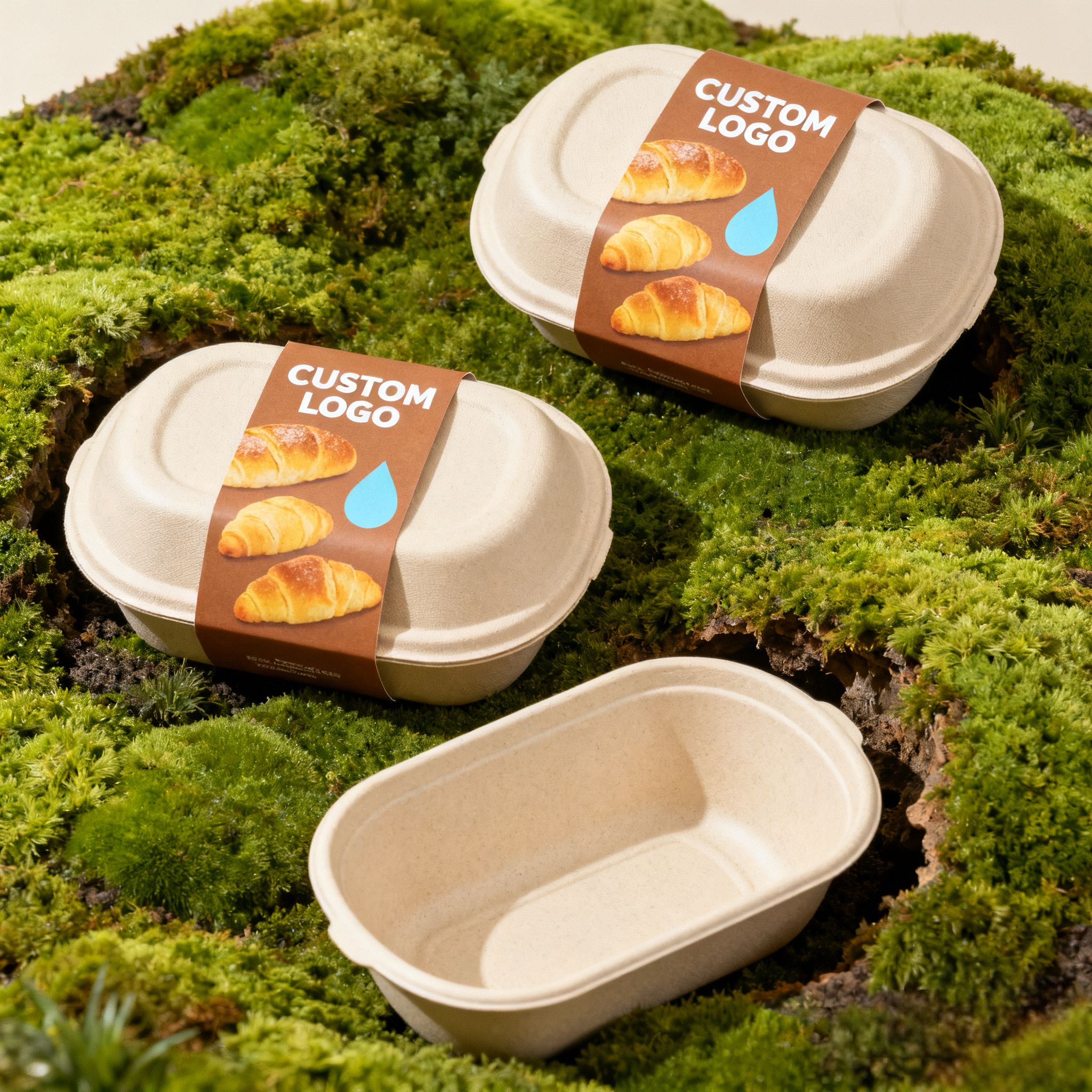
Even compostable options, like sugarcane bagasse packaging, need review. In many cases, recyclability is more important.
5. Clear Labels
PPWR asks that packaging clearly shows:
Material type
Recycling or disposal instructions
EU may create standard labels soon, so brands should be ready.