2.1 Fashion and Apparel Retail
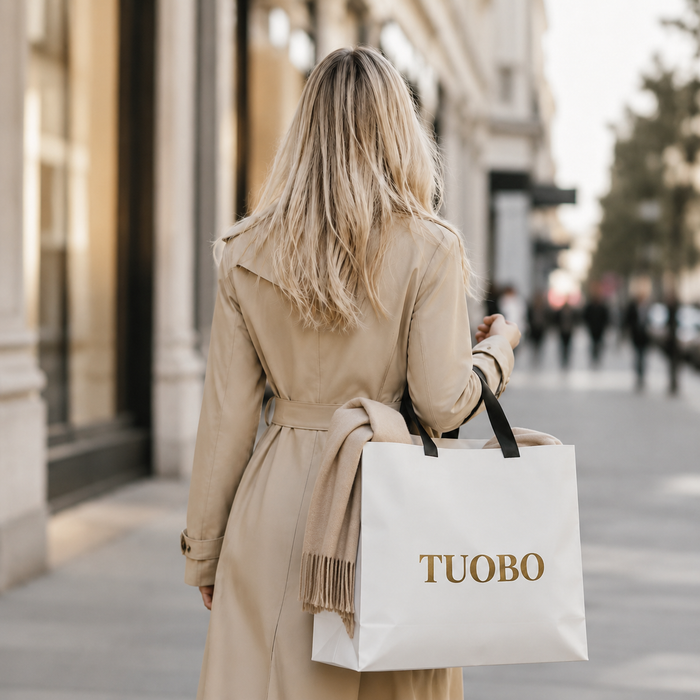
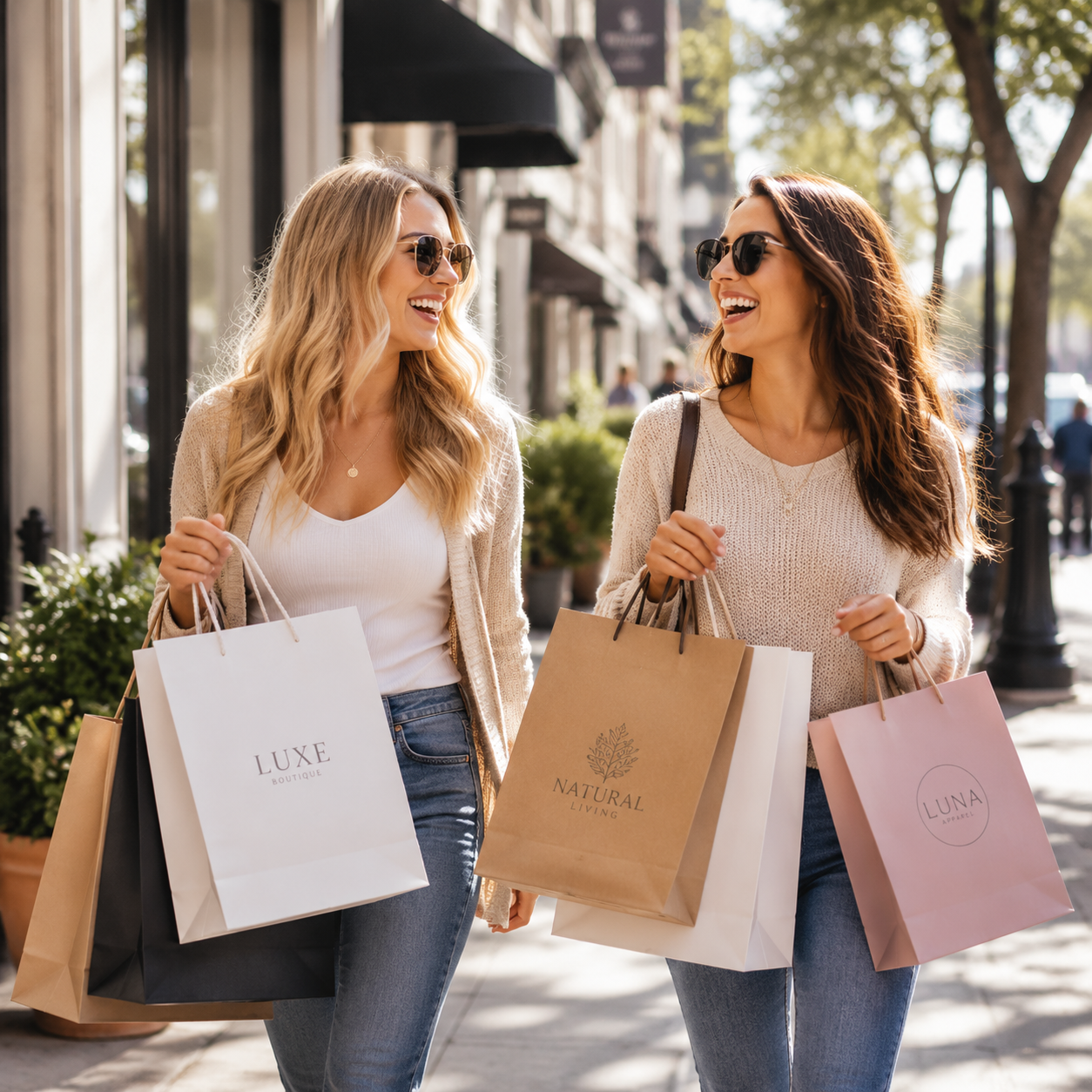
Fashion stores commonly use medium and large retail paper bags with handles. Clothing itself may not be especially heavy, but folded garments, shoes, and multiple purchases can create substantial volume. Bag width, height, and gusset depth therefore need to be considered together.
Fashion stores commonly use medium and large retail paper bags with handles. Clothing itself may not be especially heavy, but folded garments, shoes, and multiple purchases can create substantial volume. Bag width, height, and gusset depth therefore need to be considered together. Many fashion boutiques and specialty retailers also use Euro tote bags as a common handled format, particularly where a structured shape and wider opening are suitable for apparel and gift purchases.
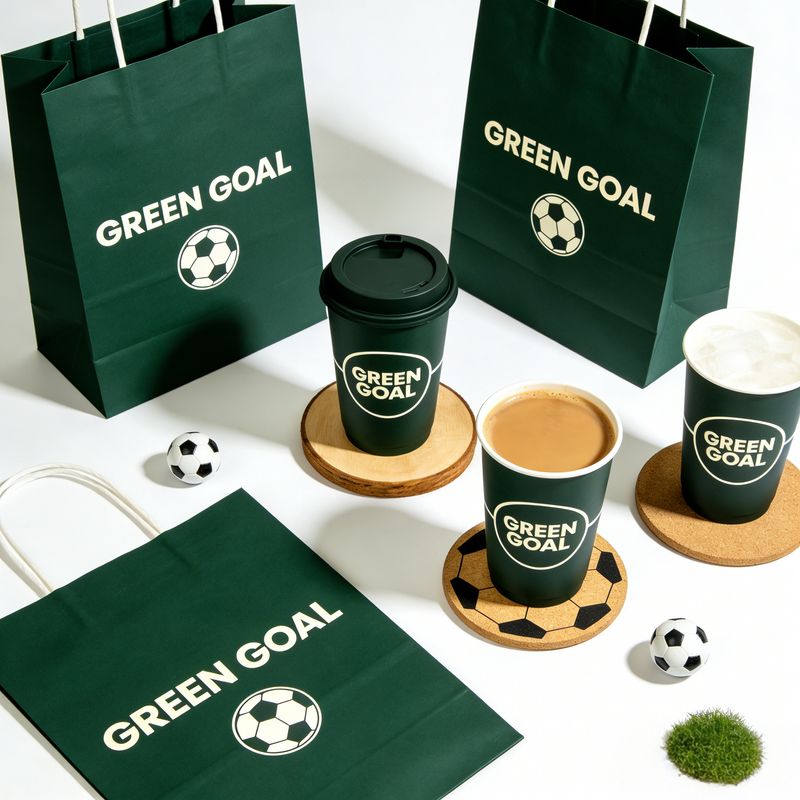
Twisted paper handles are practical for everyday shopping bags. Flat or cord handles can support a more premium presentation, but the attachment construction still needs to match the expected load. Handle failure is not determined by paper GSM alone; the attachment area and reinforcement can be critical points under load.
Twisted paper handles are practical for everyday shopping bags. Flat or cord handles can support a more premium presentation, but the attachment construction still needs to match the expected load. Handle failure is not determined by paper GSM alone; the attachment area and reinforcement can be critical points under load.
2.2 Beauty and Cosmetic Stores
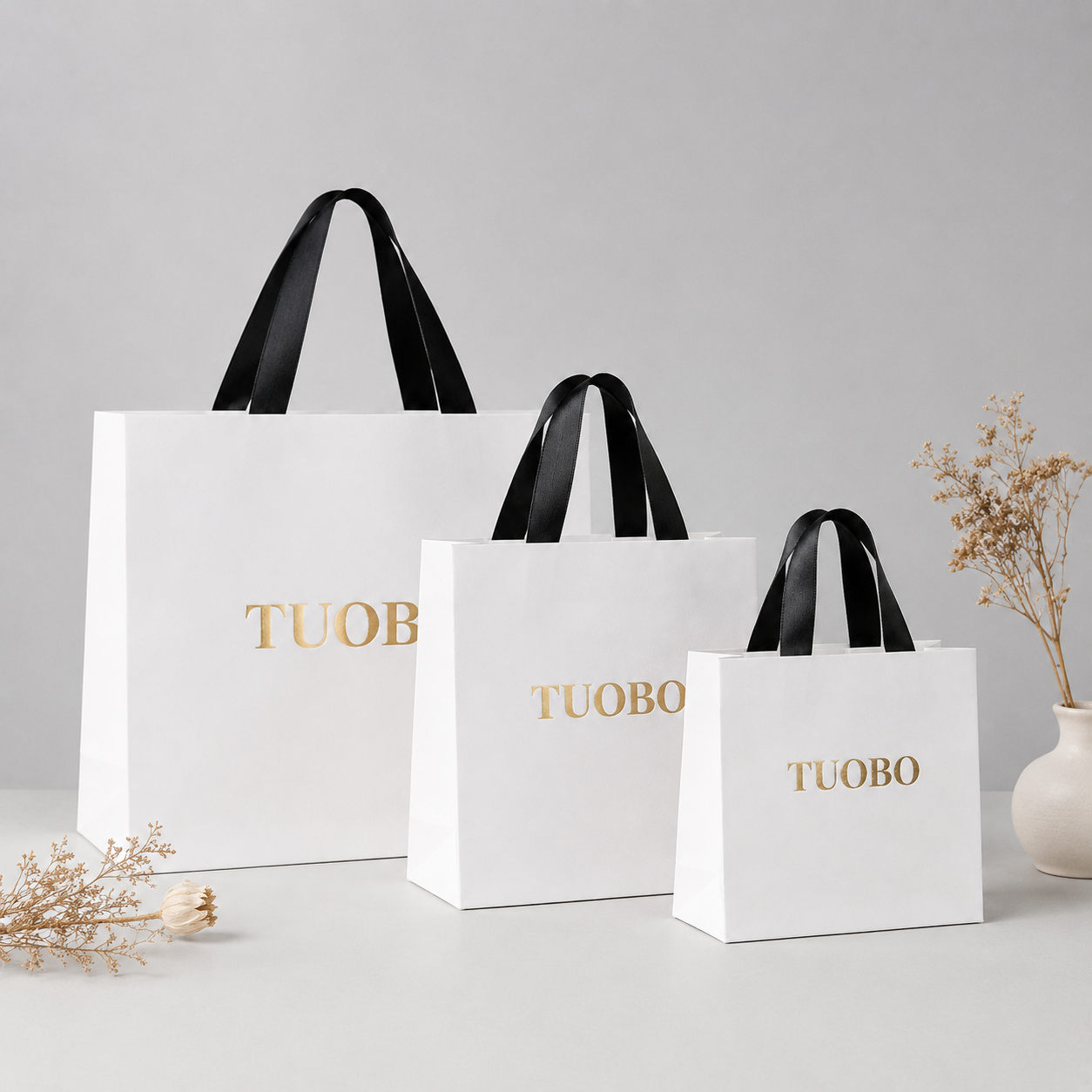
Cosmetics, skincare, fragrances, and accessories usually fit smaller bag formats. A compact bag can reduce unnecessary material and give the package a more appropriate proportion to the product.
For premium beauty brands, the printed surface can carry much of the visual identity. Paper quality, restrained graphics, typography, and a well-positioned logo may have more impact than adding complicated structural features.
2.3 Bookstores and Specialty Retail
Books are relatively dense, so paper bags for business applications involving books should be specified around the actual product load. The relevant information for a supplier is not simply the bag size, but the approximate maximum weight, the number of books carried at once, and whether the bag needs to accommodate different book dimensions. For bookstores and specialty retailers that also package books as gifts, our custom paper shopping bags can provide a practical way to present books, gift sets, and other specialty purchases while keeping the packaging aligned with the retailer's visual identity.
Paper weight and structural components should then be considered together. A higher GSM can increase paper weight and stiffness, but it does not by itself establish the carrying capacity of a finished bag.
2.4 Gift Shops and Lifestyle Stores
Gift shops often sell products with widely different dimensions. A coordinated range of paper retail bags can accommodate smaller gifts, apparel, home accessories, and larger purchases while retaining the same brand identity.
The visual system can remain consistent across different dimensions. Retailers can therefore adjust bag sizes for specific products without creating a completely separate design for every format.
2.5 Bakeries and Food Retail
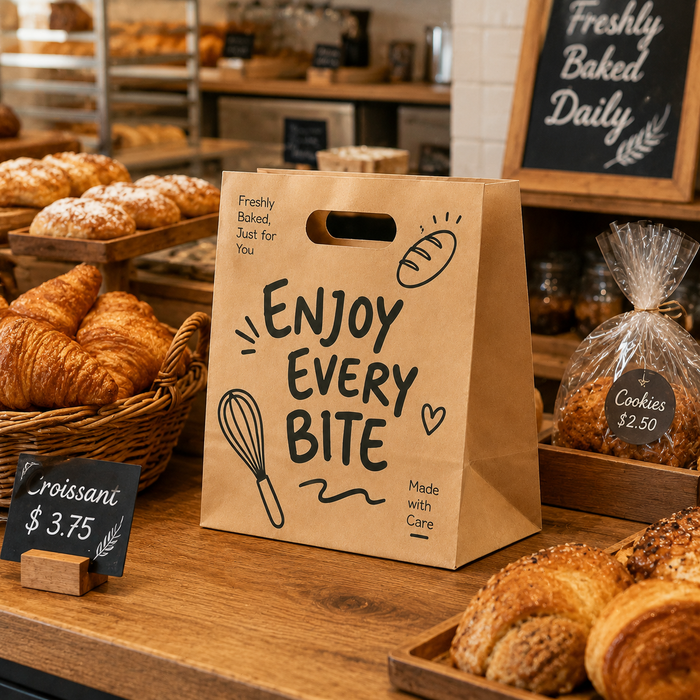
Food applications require a more specific materials review. In the United States, FDA requirements for food-contact materials cover not only paper and paperboard but also components such as adhesives, coatings, and other substances used in packaging. The applicable requirements depend on the intended use and specific materials involved.
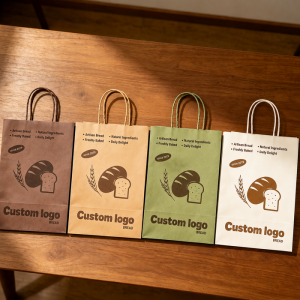
A bakery or food retailer should provide the intended food type and contact conditions when requesting packaging. Bread, pastries, takeaway meals, and dry foods can require different constructions, so custom paper bakery bags should be evaluated according to the specific food application, material construction, and applicable requirements rather than treating one general retail bag as suitable for every food product.