Physical Performance Checks
Before approving a supplier or production run, brands should verify the cup’s structural integrity by testing sidewall compression through stacking and hand-squeeze simulations, evaluating bottom load performance with fully filled cups, and assessing rim strength with repeated lid placement and removal. Even a quick trial can reveal whether a cup is truly engineered for everyday use or just visually appealing. Many brands turn to disposable coffee cups – custom from experienced manufacturers for this reason.
High-Temperature Real-Use Testing
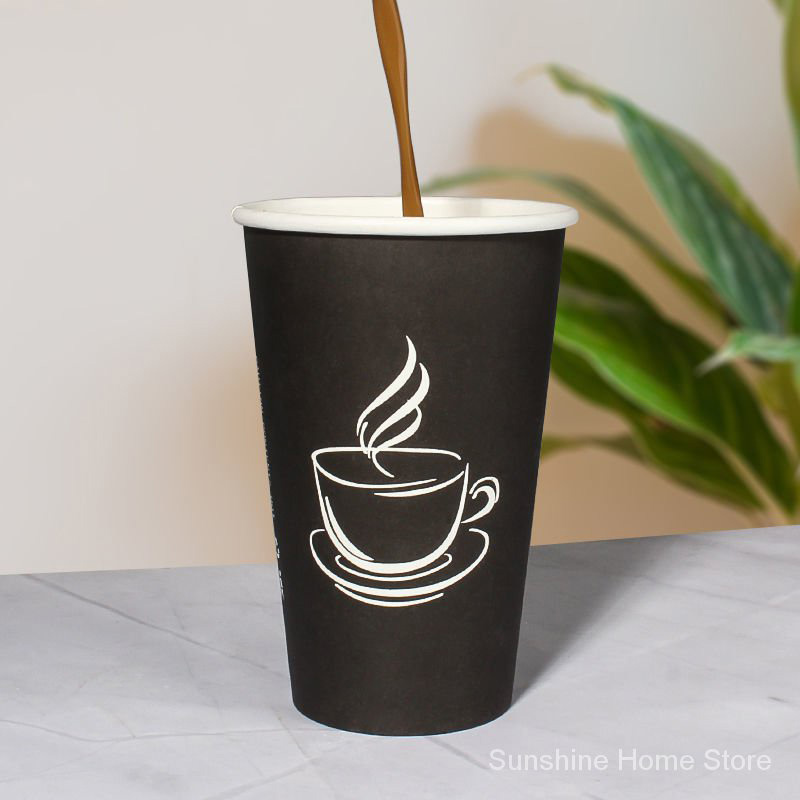
Laboratory measurements alone are not enough. Reliable evaluation should include filling cups with 90–95°C liquid for 30 minutes, monitoring deformation, wall softness, and heat transfer to the hand, and observing condensation or penetration through the outer surface. For brands serving hot beverages, choosing custom paper cups for hot drinks ensures thermal stability and customer comfort.
Delivery and Transport Simulation
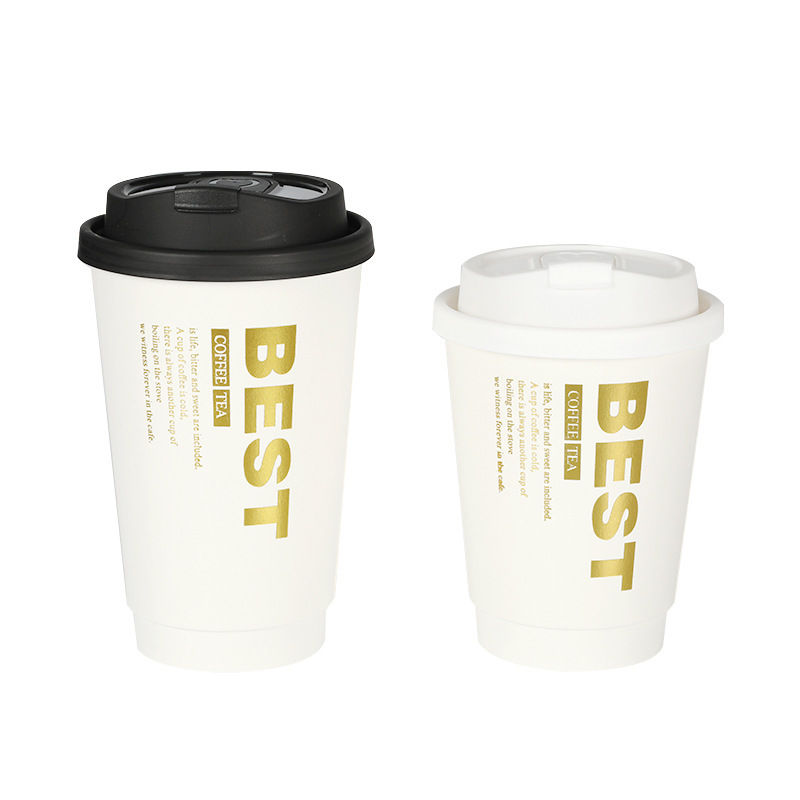
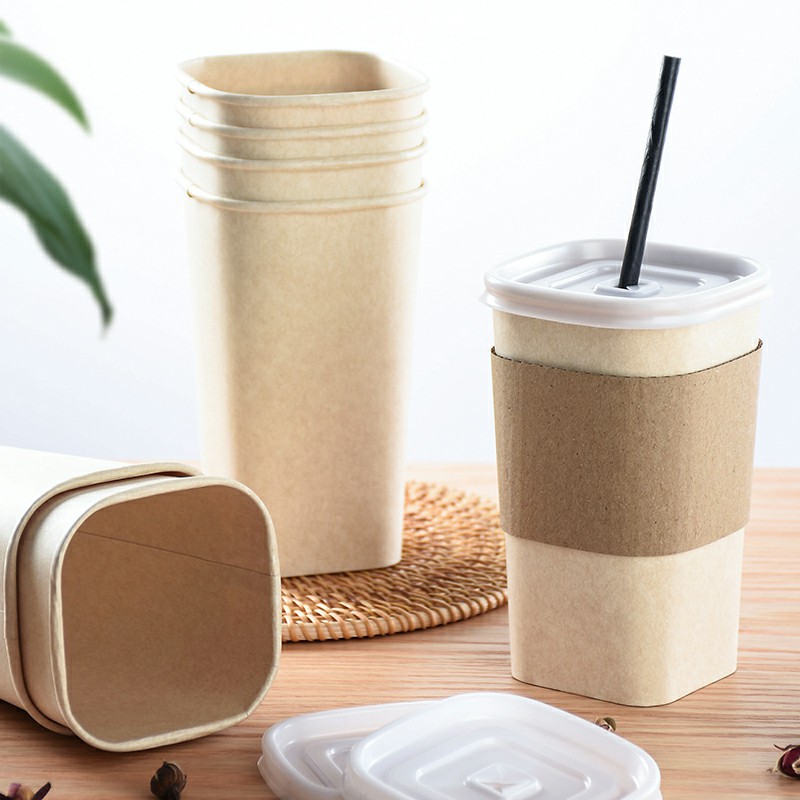
For delivery-heavy businesses, durability must extend beyond the store. Simulation testing should include tilted placement, vibration and compression, and checks for cup-holder and carrier fit. A cup that performs perfectly at the counter but fails in transit still fails your brand promise, which is why pairing cups with disposable coffee cups with lids – custom is crucial, ensuring the cup and lid function as a unified, reliable system.