2.1 Use Custom Kraft Paper Bags for Bread and Takeaway Bakery Products
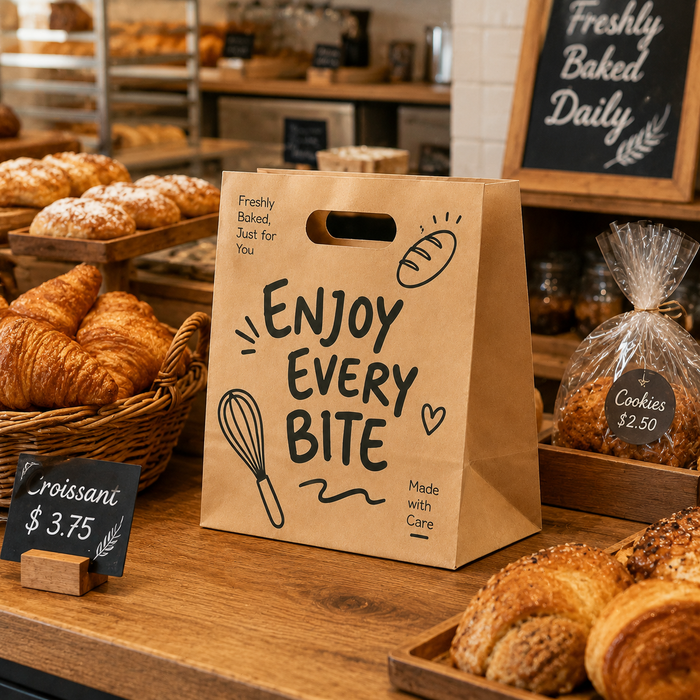
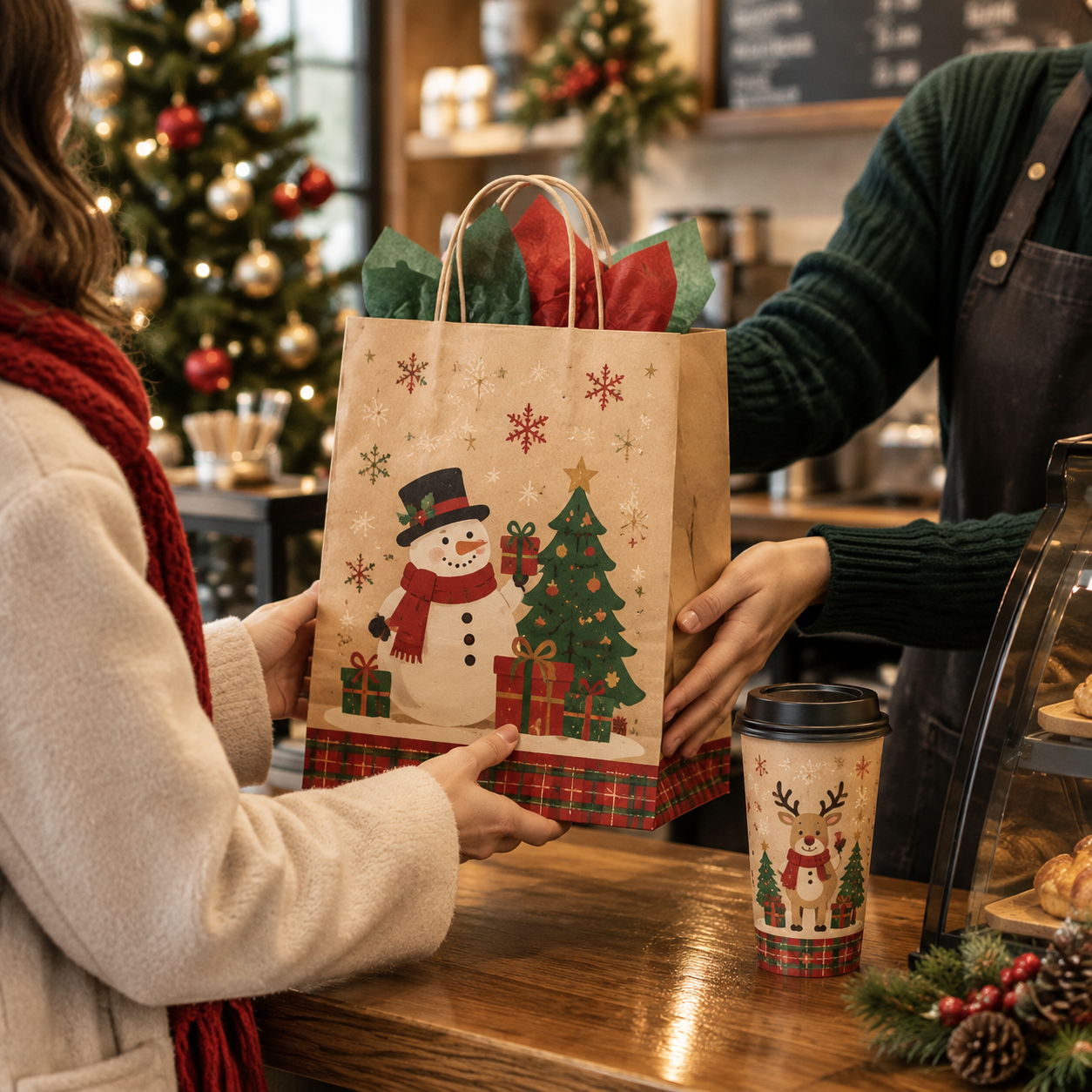
Kraft paper bags remain a practical choice for everyday bakery packaging. They work well for bread, rolls, pastries, sandwiches, and takeaway orders where customers need to carry the food home.
They also keep the packing process simple. A bakery can choose a small size for one item or a larger format for several products. A printed logo can turn the bag into part of the brand experience without adding another package.
The bag still needs the right construction. Paper weight, dimensions, bottom construction, handle style, and grease resistance all affect how it performs. A thin bag may struggle with heavier products. An oversized bag can waste material and give pastries too much room to move during transport.
Businesses that order custom paper bags should settle the dimensions early. A packaging supplier can work from the actual product size and weight, then adjust the bag structure to suit the application.
2.2 Choose Glassine Bags for Cookies, Brownies, and Small Treats
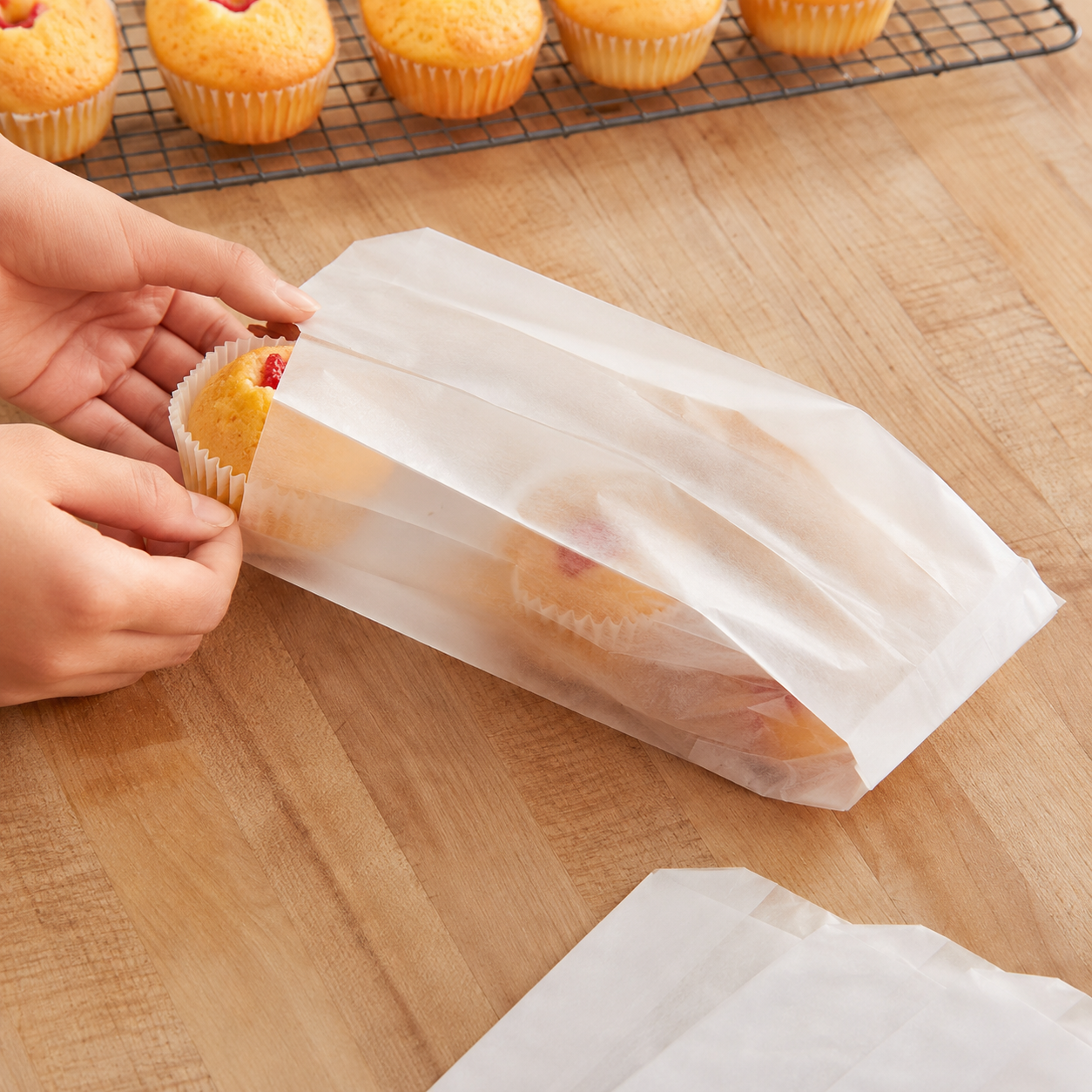
Glassine works well when a bakery wants to keep part of the product visible. The material has a smooth, translucent surface that comes from intensive calendering. Its dense structure gives it useful grease and moisture resistance for many dry-food and bakery applications.
That makes custom glassine bags a useful option for cookies, brownies, candy, confectionery, small pastries, and individual treats. Customers can see the product without the bakery relying on a conventional clear plastic bag.
Many brands can also keep the design simple. A logo or small printed message on the glassine can provide enough branding for an individually packed product.
Standard glassine does have limits. It isn't a hermetically sealed plastic pouch. It doesn't automatically provide high oxygen or moisture barrier performance. Ordinary glassine also doesn't come with inherent heat-sealing capability. Products that need a long shelf life or tight control over moisture and oxygen may need a different packaging structure.
That distinction matters when a business evaluates plastic-free food packaging.
2.3 Match the Bag to the Product, Not Just the Brand
A packaging design can look great on a screen and still cause problems in production.
Dry cookies and freshly baked bread create very different packaging conditions. A buttery pastry can leave grease on ordinary paper. Warm bread can release steam. A soft brownie may need more protection than a crisp biscuit.
Before choosing a bag, a bakery should look at the actual product. Does it contain much moisture? Does it leave grease on paper? Will staff pack it while it's still warm? How long will it remain inside the bag? Will customers carry it home or receive it through delivery?
These details usually tell a buyer more than a packaging catalog.
A standard kraft paper bag may work perfectly for one product. Another product may need grease-resistant paper or a glassine format. Some foods simply need stronger barrier protection than a paper bag can provide.
2.4 Use Custom Printing to Turn Paper Bags into Brand Packaging
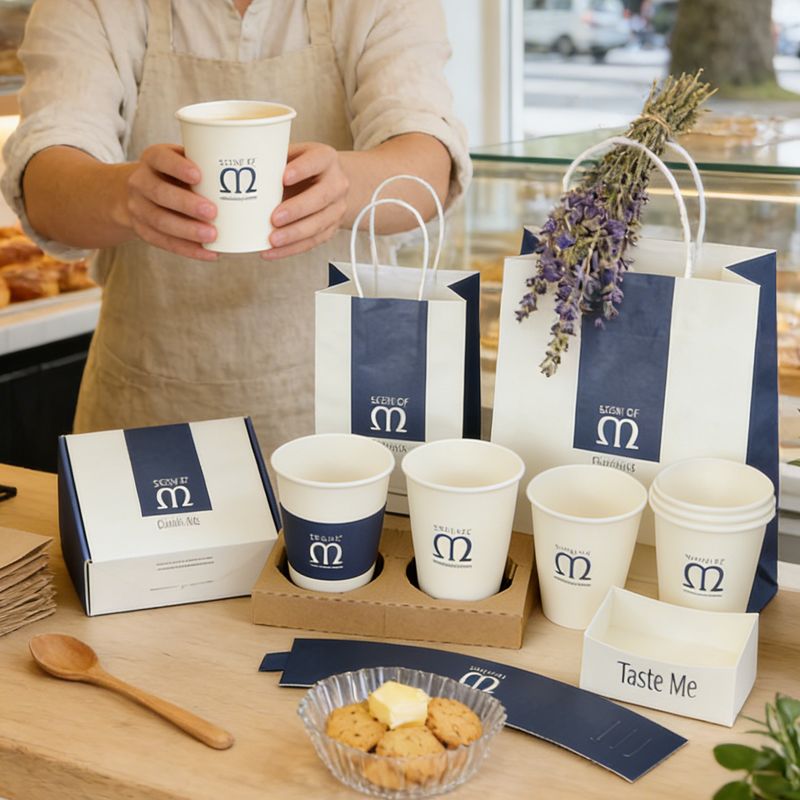
Custom printed paper bags give bakeries another surface for their branding. The design doesn't have to be complicated. A logo, a brand color, or a short message can do the job.
Some businesses prefer one-color printing. Others need several colors for seasonal packaging or separate product lines. Glassine also accepts printing, which makes it useful for individually packed products that need a consistent brand look.
The artwork should match the order size. A detailed design with several finishing processes can increase setup costs. That may make less sense for a local bakery ordering a relatively small run. It's worth discussing those costs before finalizing the artwork.
A supplier with OEM and ODM capabilities can help businesses make these decisions before production starts. Tuobo offers custom glassine bags for packaging with different sizes and paper weights, we also provides flexographic printing, Pantone colors, and hot stamping for wholesale orders.
Extra finishing isn't always necessary. The package should only use the processes that support its actual purpose.