Paper
Packaging
Manufacturer
In China

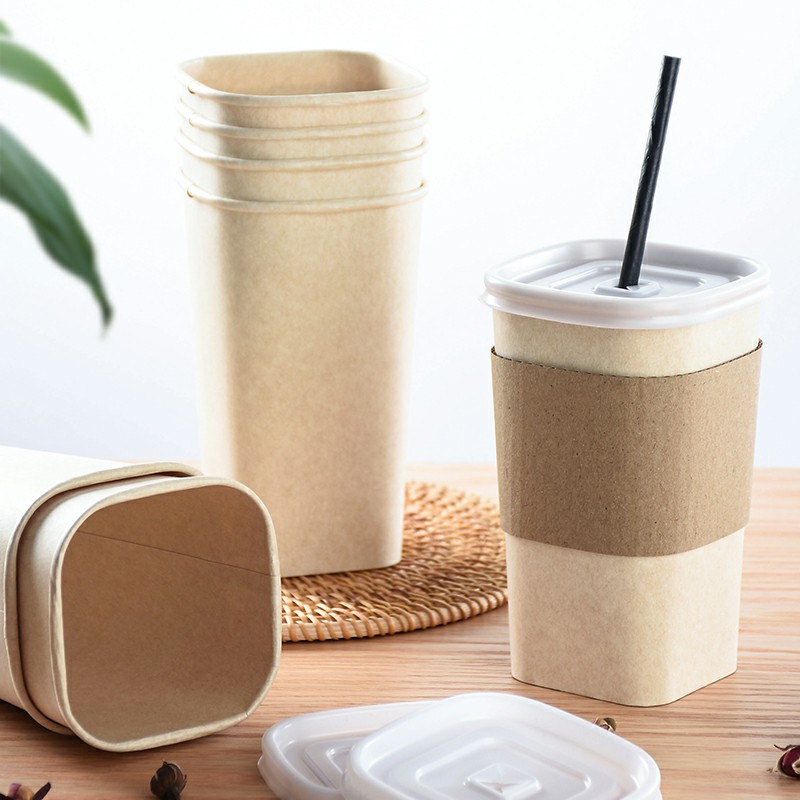
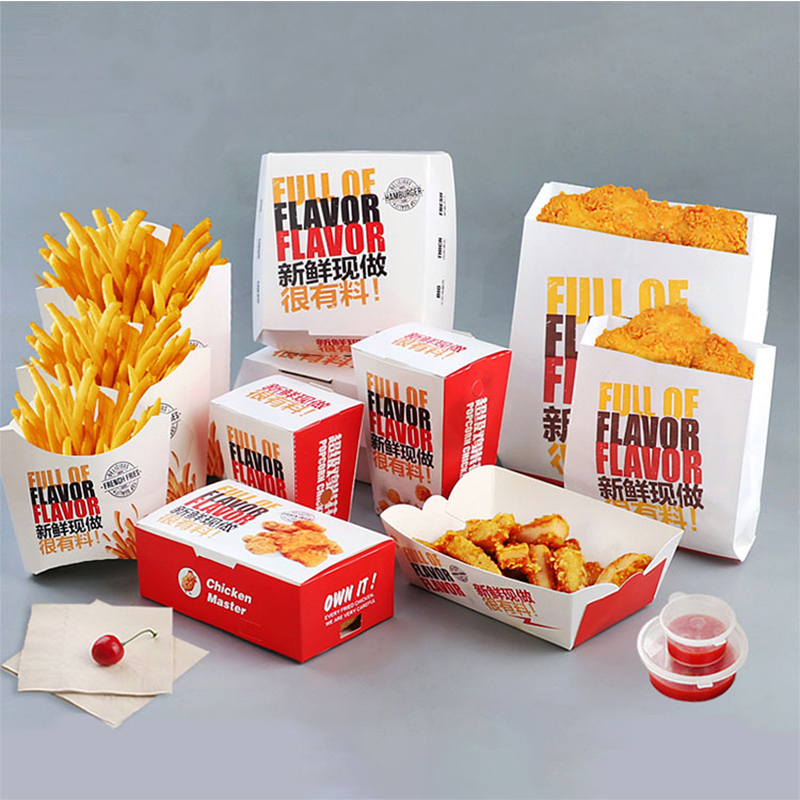
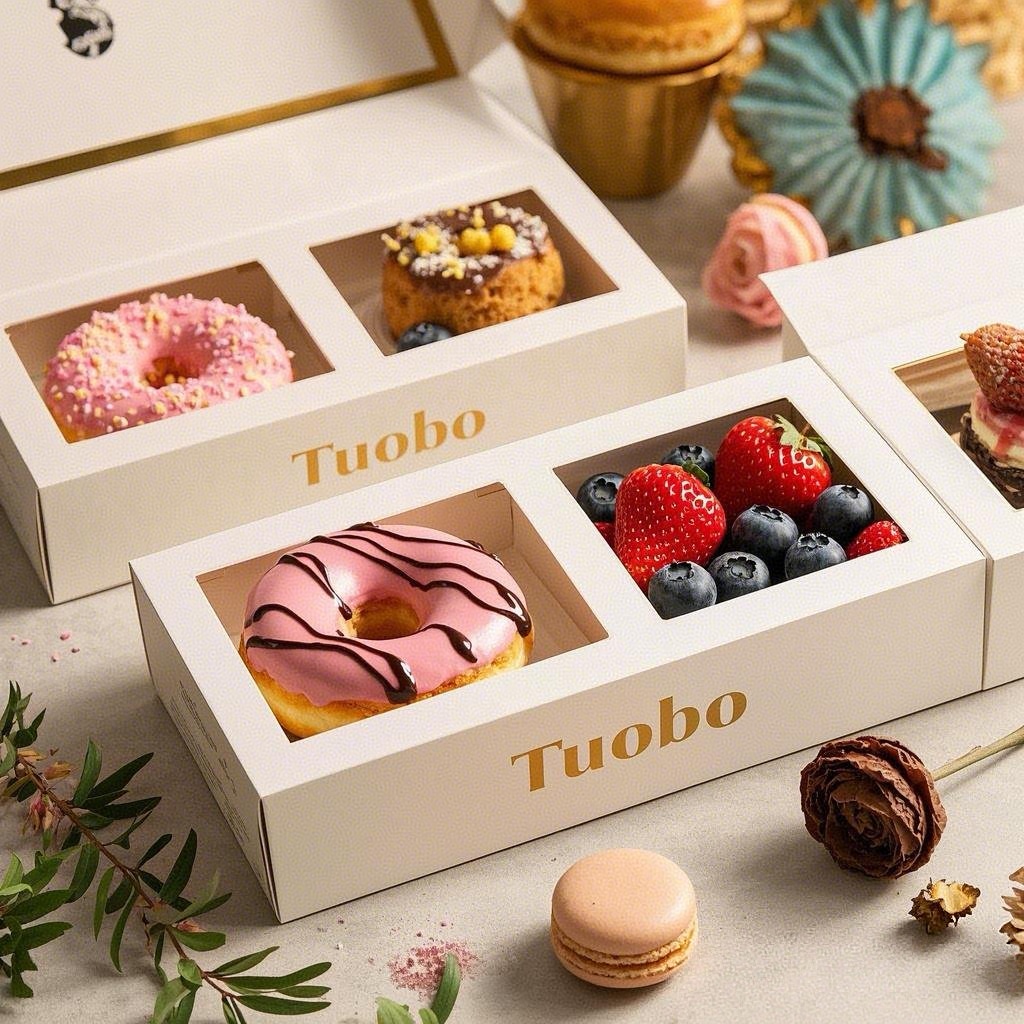
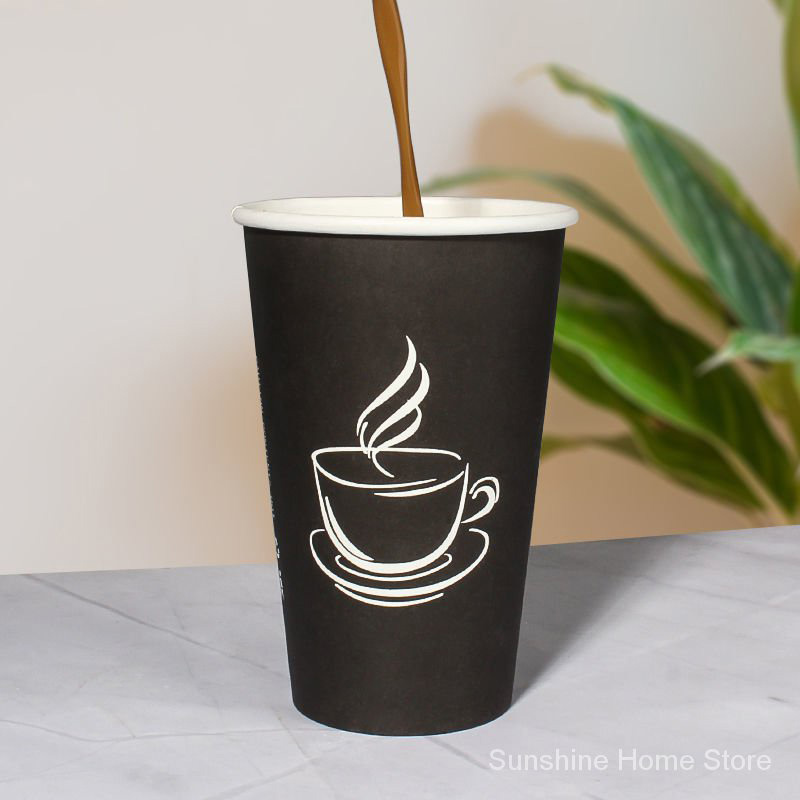
Tuobo packaging is committed to providing all disposable packaging for coffee shops, pizza shops, all restaurants and bake house, etc , including coffee paper cups, beverage cups, hamburger boxes, pizza boxes, paper bags, paper straws and other products.

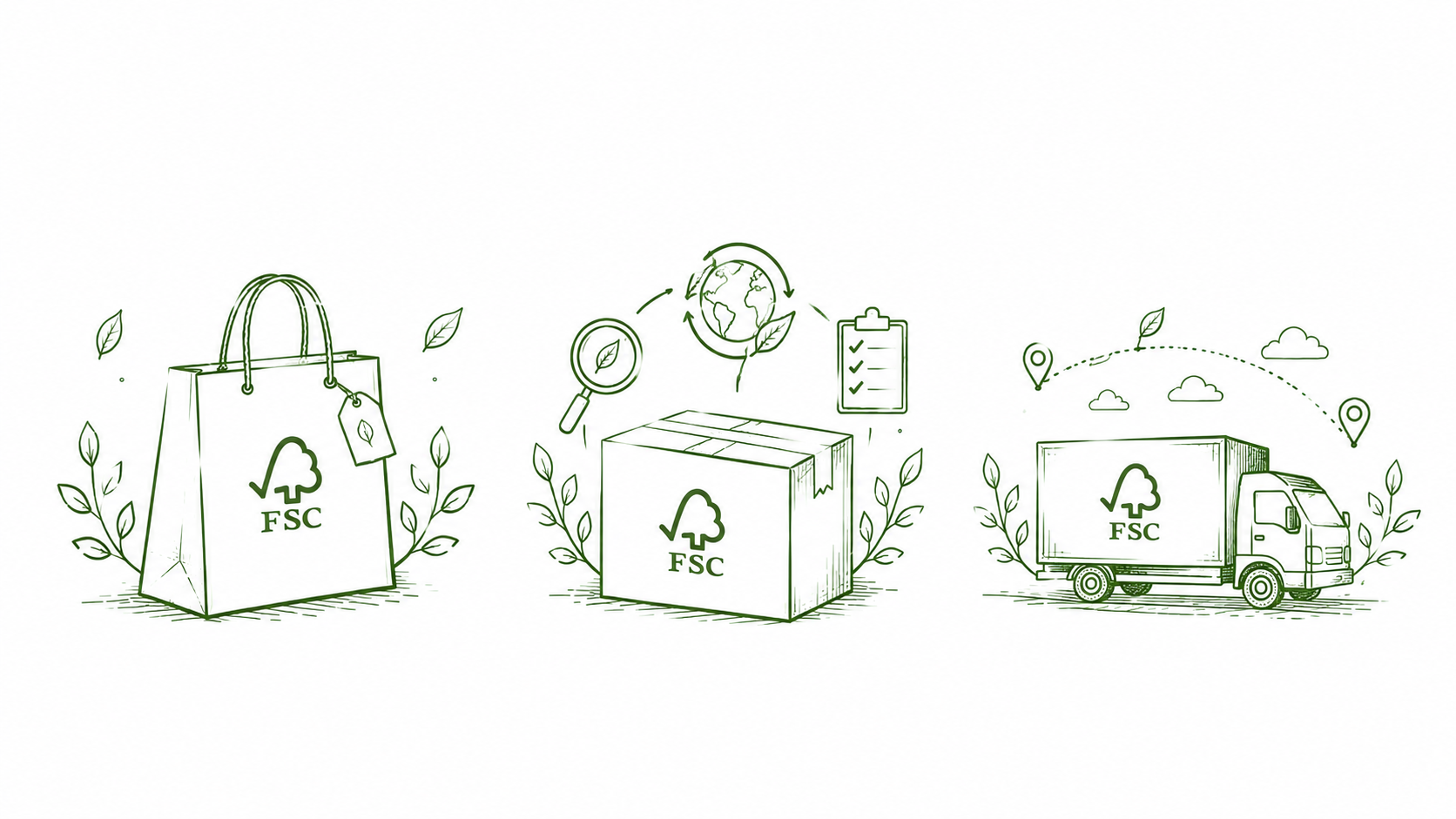
All packaging products are based on the concept of green and environmental protection. Food grade materials are selected, which will not affect the flavor of food materials. It is waterproof and oil-proof, and it is more reassuring to put them in.
Top 10 Eco-Friendly Food Packaging Trends Every Food Business Should Know in 2026

Last updated: August 2026

Eco-friendly food packaging is becoming a more practical purchasing consideration in 2026. Restaurants, cafés, bakeries, food manufacturers, and takeaway businesses are paying more attention to how packaging performs, how it is handled after use, and whether it meets requirements in the markets where it is sold.

A bakery box, for example, may need good grease resistance and enough stiffness to protect pastries during handling. A takeaway container may need to withstand heat, moisture, sauces, and transport. A package used for chilled food has different requirements again.

As a result, the main food packaging trends 2026 are moving beyond simply replacing one material with another. Material efficiency, food protection, recycling systems, reuse, and regulations are increasingly part of the same packaging decision.

Why Eco-Friendly Food Packaging Matters in 2026

For food businesses, the useful starting point is the actual application. The package needs to protect the food, work within the business's operation, and have a realistic end-of-life option in the target market.

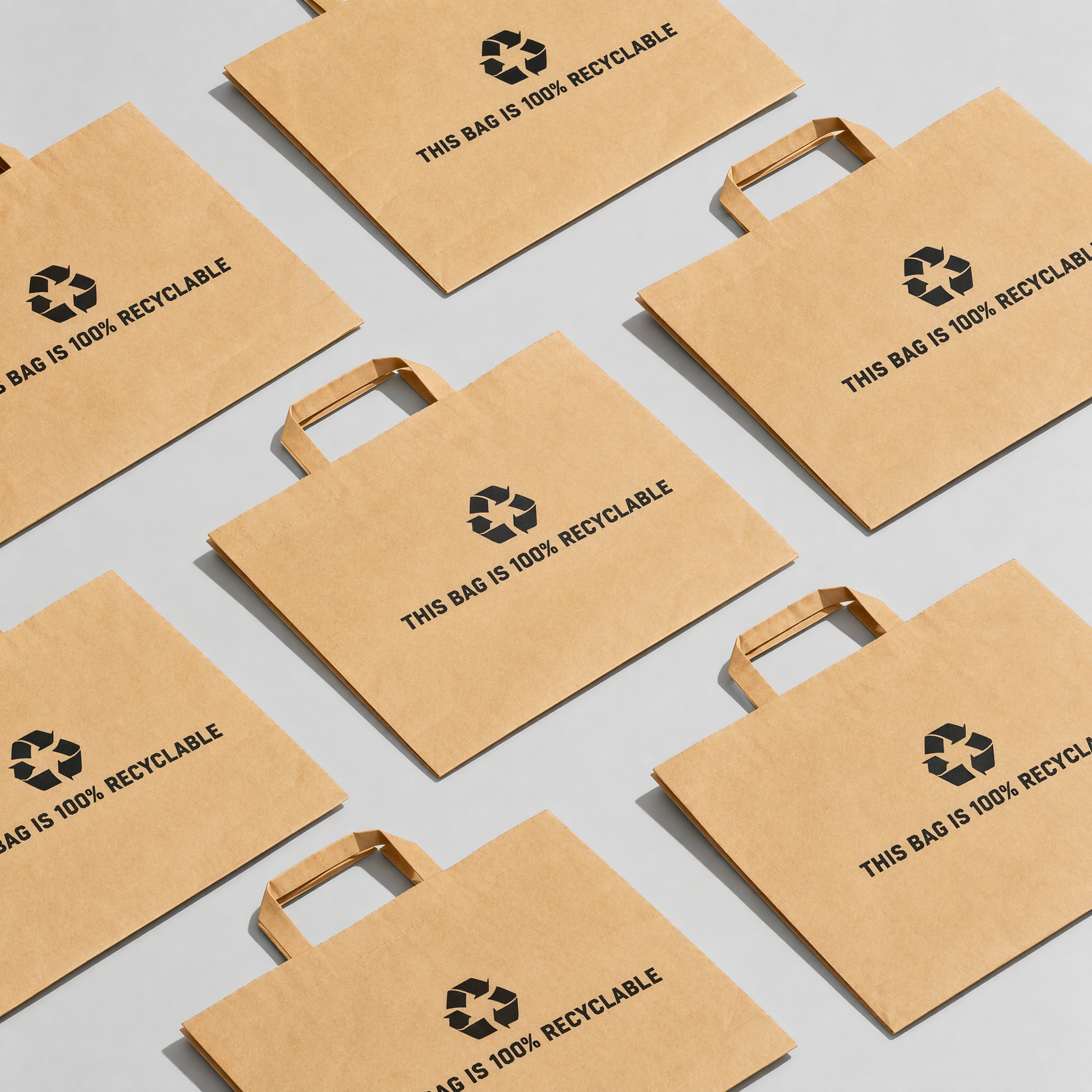
Bulk kraft paper bags arranged in flat lay style, showcasing paper bags manufacturer capabilities for wholesale paper bags, custom printed paper bags, paper bags factory production, retail paper bags and sustainable packaging solutions.

The term eco-friendly food packaging can describe several different characteristics. Recyclable, compostable, reusable, recycled content, and fiber-based packaging are not interchangeable. Each option has different requirements for production, use, collection, and disposal.

Regulation is also influencing packaging decisions. In the European Union, Regulation (EU) 2025/40, commonly known as the Packaging and Packaging Waste Regulation (PPWR), generally applies from August 12, 2026. It covers areas including packaging design, reuse, recyclability, and waste prevention. These changes make packaging requirements more relevant to purchasing and product design.

How to Choose Sustainable Food Packaging

1. Recyclable Food Packaging Is Becoming a Design Requirement

Recyclable food packaging remains an important part of sustainable food packaging, but recyclability depends on more than the material name printed on a specification sheet.

Collection systems, sorting facilities, food contamination, coatings, adhesives, and other parts of the package can affect what happens after disposal. A paperboard box, for example, may be easy to collect in one market while a different coated structure may be more difficult to process.

The food itself also matters. A dry bakery box may have relatively simple requirements, while packaging used for greasy or wet foods needs protection against oil and moisture without unnecessarily complicating recovery.

Buyers should therefore ask what the package is made from, what coating or barrier it uses, and which recycling system it is intended for. Local infrastructure matters because recycling options are not the same everywhere.

2. Fiber Food Packaging Is Moving Beyond Basic Paper Containers

Paperboard and molded fiber are now used for many takeaway, bakery, foodservice, and retail applications. Boxes, trays, bowls, cups, and molded fiber containers can all be designed for different food conditions.

The growing use of fiber food packaging ,such as sugarcane bagasse packaging, also highlights the importance of choosing the right specification. A box for dry cookies does not need the same performance as a container for fried chicken or a hot meal with sauce.

Dry foods may mainly require stiffness and basic protection. Fried foods can require stronger grease resistance, while hot or wet foods may need additional moisture and heat resistance. The package also needs enough strength to remain stable during stacking and transport.

Paper-based packaging should therefore be considered as a complete structure. Paper grade, basis weight, coating, barrier, forming method, and intended use all contribute to the final performance.

3. Compostable Food Packaging Is Becoming More Application-Specific

Compostable food packaging can be useful for certain foodservice applications, particularly where food residue makes other recovery options difficult. Its suitability still depends heavily on what happens after the customer has finished with it.

Commercial composting facilities are not available in every area, and household composting systems may not accept the same materials. If suitable collection is unavailable, compostable packaging may end up in a general waste stream.

The U.S. Federal Trade Commission also requires environmental claims such as compostable claims to have appropriate support and notes that qualifications may be needed when suitable facilities are not widely available.

For a restaurant or café, the decision should therefore consider the complete disposal system. Compostable packaging can be useful where food-waste collection and composting are established. Where customers have easier access to recycling, a recyclable format may be simpler to manage.

4. Recycled Materials Are Expanding, but Food Contact Still Matters

Recycled content is becoming a more common part of packaging specifications. However, the use of recycled material, biodegradable packaging, and food-contact suitability are separate considerations.

Packaging intended to touch food needs to meet the requirements of its intended application. For recycled plastics, the U.S. Food and Drug Administration considers factors including possible contaminants, source controls, recycling processes, and migration.

For buyers, “made with recycled material” is therefore only a starting point. A useful specification can include the recycled content percentage, material source, intended food-contact use, and supporting documentation.

Recycled content can be valuable when the resulting package still provides the required strength, barrier, food-contact performance, and regulatory compliance. The material needs to work for the application as well as meet an environmental objective.

5. Sustainable Packaging for Restaurants Is Becoming More System-Based

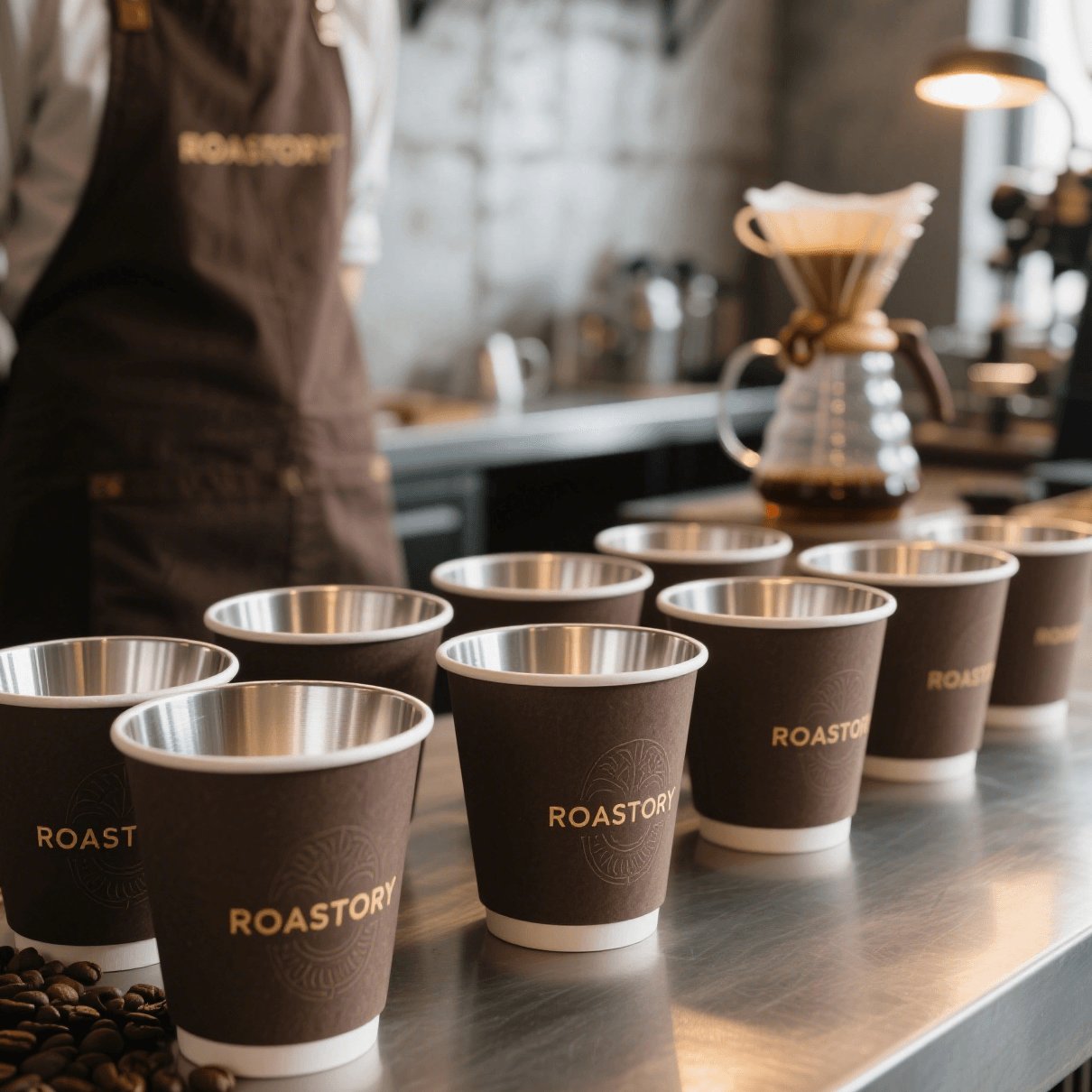
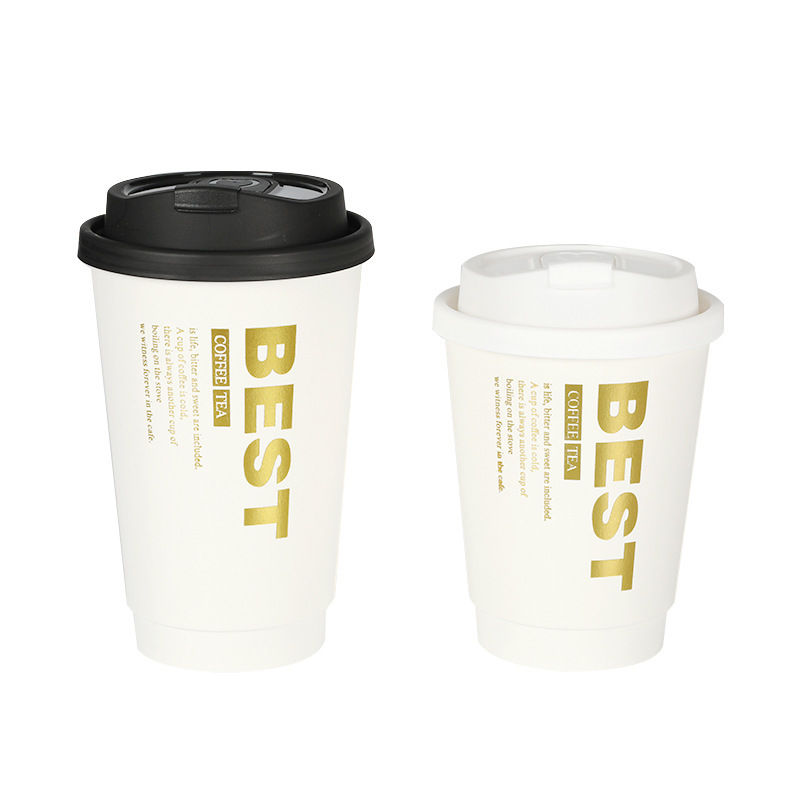
Custom paper coffee cups and takeaway boxes are receiving more attention in restaurants, cafés, delivery services, and other foodservice operations.

A reusable container requires more than a durable package. Returned containers need to be collected, checked, cleaned, stored, and made available for another use. Businesses also need a practical way to encourage customers to return them.

A café serving a local customer base may find this easier to manage than a delivery business covering a large area. The number of return locations, transportation distance, cleaning capacity, and storage space can all affect whether the system works smoothly.

For sustainable packaging for restaurants, reuse is therefore closely connected to daily operations. The container itself is only one part of the decision.

6. Packaging Reduction Is Becoming a Procurement Priority

Reducing unnecessary packaging can be an effective way to improve packaging efficiency. Food businesses are reviewing oversized boxes, unnecessary inserts, extra wrapping layers, plastic windows, and other components that provide limited functional value.

A smaller package can also require less storage space and may reduce the volume transported between suppliers, warehouses, and customers.

There are practical limits. A bakery box still needs enough stiffness to prevent crushing. A takeaway container needs to withstand handling and transport. Packaging for a food manufacturer may need a barrier that helps maintain product quality during storage.

The goal is to use enough material to perform the required job without adding components that do not provide a useful function.

c0dd6471-83c7-4262-9c8b-c42d230e566b

7. Packaging Performance Is Becoming Part of Sustainability Evaluation

Packaging performance deserves more attention when evaluating sustainable food packaging. A package has to protect the food throughout storage, handling, and transportation.

Consider a few common examples. A takeaway container that leaks sauce can result in damaged orders. A bakery package without enough moisture control can affect the texture of its contents. A weak box can allow products to be crushed during delivery.

Depending on the food, packaging may require grease resistance, moisture resistance, heat resistance, structural strength, or a reliable closure.

This is especially important for delivery and foodservice. A lighter package is not necessarily a better choice if it regularly fails during transport. Good packaging selection considers material use alongside the protection needed for the product.

8. Simpler Packaging Structures Are Gaining Attention

Businesses are also looking at packaging structures with multiple layers, mixed materials, decorative elements, or additional inserts. Some of these components are useful, while others may add material without improving the package.

A simpler structure can reduce material use and may make recovery easier. At the same time, some food products genuinely need functional barriers or other components.

For example, removing a grease barrier from packaging designed for oily food can cause oil to penetrate the material and weaken the package. Similarly, removing a moisture barrier from a product that requires moisture protection can affect food quality.

Simplification works best when unnecessary components are removed while important functional features remain.

9. Digital Information Is Supporting Better Packaging Communication

QR codes provide a simple way to give customers additional packaging and disposal information without adding much physical material.

A code can lead to recycling instructions, material information, certification details, or product information. This can be useful for brands selling products in different markets where collection systems and disposal instructions vary.

Digital information can also be updated without changing the physical package. That can help when instructions or other information change.

QR codes remain a supporting trend rather than a replacement for good packaging design. Their main value is making useful information easier to access.

10. Food Packaging Regulations Are Changing Material Selection

Changing food packaging regulations are becoming an increasingly important part of packaging decisions in 2026.

The EU PPWR generally applies from August 12, 2026, and includes requirements related to packaging sustainability, recyclability, reuse, and waste prevention. It also contains provisions relevant to food-contact packaging, including restrictions concerning certain PFAS in food-contact packaging.

For companies selling into regulated markets, these requirements can affect packaging specifications and supplier selection. Buyers may need information about material composition, coatings, food-contact suitability, recyclability, and other compliance details.

The European Commission has also published implementation guidance for the regulation, making regulatory information increasingly relevant during packaging development and procurement.

Businesses do not need to turn every packaging decision into a regulatory exercise. They do, however, need enough documentation to confirm that the selected package is suitable for its intended market and application.

There is no single packaging material that works for every food product. The right choice depends on the food, operating conditions, target market, and available disposal system.

Start with the food itself. Dry products may mainly need stiffness and basic protection. Greasy foods can require grease resistance. Hot meals may need heat resistance and structural strength, while liquid foods may require leak protection and a suitable barrier.

Next, look at the complete package structure. Paperboard, molded fiber, recycled plastic, and other formats can all be suitable depending on the application. Coatings, barriers, adhesives, closures, and forming methods can affect the final result.

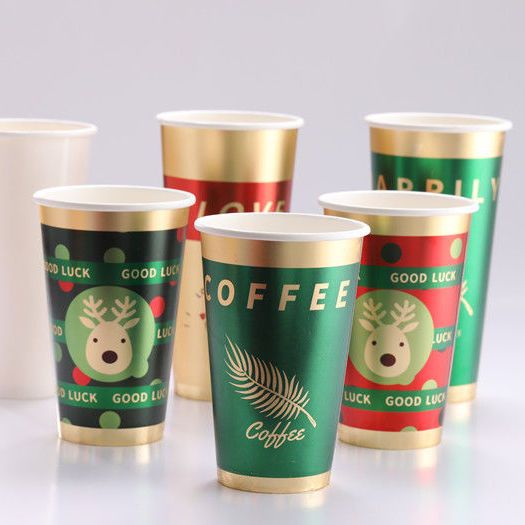
Foil Paper Cups

End-of-life should also be considered. Recyclable packaging needs a realistic recycling route. Compostable packaging needs suitable composting infrastructure. Reusable packaging requires collection, cleaning, and storage.

Finally, review food-contact requirements, environmental claims, certifications, testing information, MOQ, lead time, and supplier documentation.

A suitable sustainable food packaging solution should meet the food's requirements, work in the target market, and have a realistic pathway after use.

What Food Businesses Should Ask Packaging Suppliers

Before ordering, buyers should ask for the exact material and structure, coating or barrier type, intended food and temperature range, recycled content percentage where applicable, food-contact documentation, relevant certifications, and information supporting recyclable or compostable claims.

It is also useful to ask whether samples or technical specifications are available. Testing a package with the actual food product can reveal problems that are difficult to identify from a material description alone.

Environmental terms should be treated with the same care as technical specifications. “Recyclable,” “contains recycled content,” and “compostable” describe different characteristics. Specific information is more useful than a general claim that packaging is environmentally friendly.

The FTC advises marketers to support environmental claims and avoid broad, unqualified claims such as “green” or “eco-friendly.”

The Future of Eco-Friendly Food Packaging

The main food packaging trends 2026 point toward more practical packaging decisions. Material selection, food protection, end-of-life options, reuse, and regulations are increasingly considered together.

Recyclable formats, fiber-based materials, compostable applications, recycled content, reusable systems, packaging reduction, and simpler structures can all have a place in food packaging. Their suitability depends on the product and the conditions in which the package will be used and discarded.

For food businesses, packaging selection starts with a straightforward question: what does the package need to do? Once that is clear, material, structure, end-of-life, compliance, and cost can be evaluated together.

This supports a more practical circular economy packaging approach, where materials are reduced where possible, products are protected properly, and packaging is reused, recycled, or recovered when suitable systems are available.

In 2026, sustainable packaging is increasingly being evaluated through its actual performance and documented characteristics rather than through a single environmental label.

Since 2015, we’ve been the silent force behind 500+ global brands, transforming packaging into profit drivers. As a vertically integrated manufacturer from China, we specialize in OEM/ODM solutions that help businesses like yours achieve up to 30% sales uplift through strategic packaging differentiation.

From signature food packaging solutions that amplify shelf appeal to streamlined takeout systems engineered for speed, our portfolio spans 1,200+ SKUs proven to enhance customer experience. Picture your desserts in custom-printed ice cream cups that boost Instagram shares, barista-grade heat-resistant coffee sleeves that reduce spill complaints, or luxe-branded paper carriers that turn customers into walking billboards.

Our sugarcane fiber clamshells have helped 72 clients meet ESG goals while cutting costs, and plant-based PLA cold cups are driving repeat purchases for zero-waste cafes. Backed by in-house design teams and ISO-certified production, we consolidate packaging essentials—from greaseproof liners to branded stickers—into one order, one invoice, 30% fewer operational headaches.

FAQs frequently asked questions header banner, green question mark icons on light wood texture background, eco friendly packaging help page template

Frequently Asked Questions About Eco-Friendly Food Packaging

Is recyclable or compostable packaging better for food businesses?

Neither is automatically better. Recyclable food packaging can be practical where established recycling infrastructure exists, while compostable food packaging may be suitable where appropriate composting systems are available. Food type, packaging performance, local infrastructure, and market requirements should all be considered.

What should businesses check before buying compostable food packaging?

Businesses should check the exact material, intended composting conditions, applicable certification or supporting evidence, food-contact suitability, and whether appropriate composting facilities are available in the target market.

Can recycled materials be used for food-contact packaging?

Yes, in suitable applications, but food-contact suitability needs to be assessed separately from recycled content. Relevant considerations can include contamination, source controls, recycling processes, and potential migration.

How does PPWR affect food packaging in 2026?

The EU Packaging and Packaging Waste Regulation generally applies from August 12, 2026. It establishes requirements covering areas such as packaging sustainability, recyclability, reuse, and waste prevention, with some specific requirements applying at different dates.

Does paper packaging automatically have a lower environmental impact than plastic?

No. Environmental performance can depend on material quantity, packaging performance, manufacturing, transportation, coatings, reuse or recovery options, and the waste system available in the target market.

Is “eco-friendly food packaging” a technical specification?

No. “Eco-friendly” is a broad environmental description rather than a specific material or performance specification. Buyers should look at measurable characteristics such as material composition, recycled content, recyclability, compostability, food-contact suitability, and end-of-life options.

What documentation should a packaging supplier provide?

Depending on the product and market, buyers may need material specifications, food-contact information, recycled-content details, relevant test results, certifications, and documentation supporting environmental or regulatory claims.

What is the role of circular economy packaging in 2026?

Circular economy packaging focuses on keeping materials in productive use through approaches such as reuse, recycling, recycled content, material reduction, and improved recovery. The appropriate strategy depends on the packaging format, food application, operating model, and available infrastructure.

What can TUOBO provide for businesses looking for sustainable food packaging?

TUOBO can provide different packaging formats based on the food application, packaging structure, and production requirements. Options include biodegradable packaging, custom trays and plates for foodservice applications, and custom takeaway coffee cups for beverage businesses. Businesses looking for a broader packaging solution can also review custom coffee shop packaging solutions covering different packaging formats and usage requirements. For projects with specific material, size, printing, coating, or customization requirements, the packaging specifications can be reviewed before production. Businesses can contact TUOBO with product details, target quantities, and packaging requirements to discuss suitable options.

We always adhere to customer demand as the guide, providing you with high-quality products and thoughtful service. Our team is composed of experienced professionals who can provide you with customized solutions and design suggestions. From design to production, we will work closely with you to ensure that your customized hollow paper cups perfectly meet your expectations and exceed them.

Write your message here and send it to us

Ready to Start Your Paper Cups Project?

Write your message here and send it to us

Post time: Aug-15-2026