Paper
Packaging
Manufacturer
In China

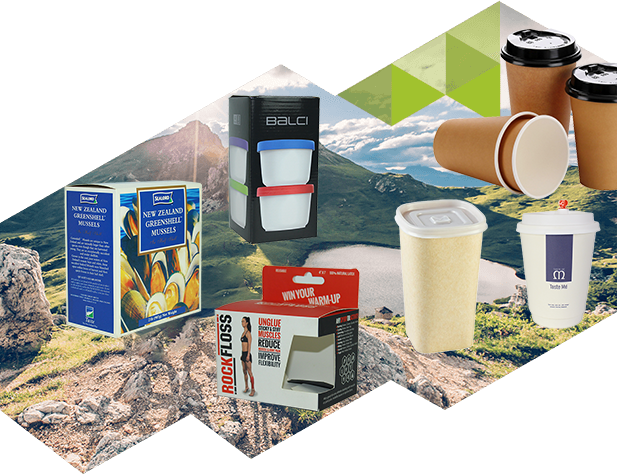
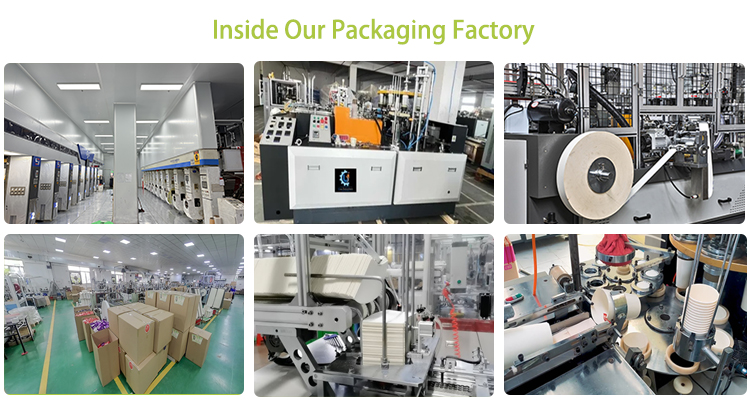
Tuobo packaging is committed to providing all disposable packaging for coffee shops, pizza shops, all restaurants and bake house, etc , including coffee paper cups, beverage cups, hamburger boxes, pizza boxes, paper bags, paper straws and other products.

All packaging products are based on the concept of green and environmental protection. Food grade materials are selected, which will not affect the flavor of food materials. It is waterproof and oil-proof, and it is more reassuring to put them in.

How to Open an Ice Cream Shop: A Practical Guide for First-Time Owners

Opening an ice cream shop involves more than finding a storefront, filling a freezer, and sourcing ice cream packaging.  The daily operation brings together equipment, flavors, serving sizes, packaging, staff movement, storage, and customer flow. Some decisions can wait until later. Others affect several parts of the business at once.

A small takeaway counter, a neighborhood scoop shop, and a soft serve store will not operate in exactly the same way. The setup should reflect the type of service rather than an idealized version of an ice cream shop.

Close-up of two custom printed paper ice cream cups with gold lids, one holding scoops of colorful ice cream, set on a picnic table outdoors with fresh fruits and drinks in the background.

1. Decide What the Shop Is Actually Going to Sell

Start with the service model. A takeaway counter may need very little seating but more attention to order speed and packaging. A neighborhood shop with tables needs room for customers to stay without blocking the queue. A gelato business has different equipment and storage requirements from a soft serve operation.

Customer habits matter too. Families may order several portions together. Office workers may want something quick during a short break. A dessert-focused shop may sell more sundaes and loaded takeaway desserts than basic scoops.

The opening menu doesn't need to cover every possible preference. A handful of core flavors, single and double scoops, a few toppings, and several recognizable dessert formats can give the staff enough variety without turning every order into a custom build.

What gets sold most often will eventually determine how much space goes to freezers, toppings, cups, lids, spoons, storage, and finished orders.

2. Look at the Location From Behind the Counter

A potential location can look completely different once the shop is imagined in operation. Visit during quiet hours, then return when nearby businesses are busy. Check where customers park, where pedestrians approach from, and where delivery drivers are likely to wait. Visibility from the street is only one part of the picture.

Inside, mark out the basic route: customer → order → payment → cup → ice cream → toppings → lid → bag → pickup.

Now add another customer. Then add an employee restocking cups or moving ingredients. If those movements repeatedly cross each other, the problem is already visible before any equipment has been installed.

Rent also needs to be considered alongside renovation, equipment, utilities, ingredients, packaging, labor, insurance, permits, and working capital. A cheaper space isn't necessarily cheaper to operate if the layout creates delays throughout the day.

3. Build Around the Rush

A freezer that seems oversized at 11 a.m. may be working continuously a few hours later.

For soft serve, look at machine capacity and service speed. For scoop shops, consider freezer access, display capacity, storage, and replenishment. Shops producing their own ice cream have another set of requirements around production, freezing, and storage.

The busiest period is also when small layout problems become expensive. Employees need to reach cups without turning away from the customer. Toppings should be accessible without blocking the next order. Finished desserts need somewhere to sit while payment is completed.

Run through an imaginary Saturday order rather than judging the equipment while the shop is empty. A double scoop. A sundae with several toppings. Two takeaway desserts. Then another customer arrives.

The equipment list becomes easier to assess when it is attached to actual orders.

eco-friendly ice cream cups

4. Choose Best Cup Size For Ice Cream Shop Around the Serving Format

Cup capacity is only one part of the decision, but it gives a useful starting range.

4 oz custom ice cream containers works for smaller portions, kids' servings, tasting portions, simple single scoops, and small promotional desserts.

6 oz paper dessert cups can accommodate a regular single scoop with toppings or a smaller double scoop, depending on the scoop size.

8 oz ice cream takeaway cups suits a standard double scoop, smaller sundaes, and takeaway desserts with toppings.

12 oz ice cream tubs gives more room for larger sundaes, loaded desserts, multi-scoop servings, and takeaway orders with several toppings.

The same ounce size won't produce the same serving in every shop. Scoop diameter, ice cream density, whipped cream, sauces, fruit, cookies, and other toppings all change the amount of usable space.

For that reason, the cup should be filled with the product that will actually be sold. Add the toppings. Add whipped cream if it appears on the menu. Close the lid.

A 6 oz cup may look sufficient until a regular topping combination is added. An 8 oz cup may work for two scoops but become restrictive for a sundae. A 12 oz cup provides more room, but stocking it for every order may not make sense if most customers buy smaller portions.

5. Lid Fit Is a Separate Packaging Decision

The lid deserves its own check rather than being treated as an accessory to the cup.

The key measurements include rim diameter, outer diameter, inner diameter, cup height, lid style, internal lid height, and topping clearance.

Flat lids are suitable for servings that stay below the rim. Dome lids provide additional internal height for whipped cream, sauces, and taller toppings. The choice depends on the actual dessert rather than appearance alone.

A lid can also look correct and still fail during use. A poor snap fit may cause leakage. An opening that is too tight can interfere with toppings. A lid with insufficient internal height can press into the product.

TUOBO can help match cup capacity and dimensions with the intended serving format and check lid compatibility before a larger production run.

Takeaway orders introduce another measurement: the bag. Put two or three filled cups into the actual bag and carry them around. Check the width, height, stability, and spoon placement. A package that works perfectly as a single cup may be awkward once a customer orders several desserts.

6. Let the First Menu Be Smaller Than the Final Menu

The first version of the menu is unlikely to remain unchanged.

Some flavors will sell faster. Some toppings will barely move. A sundae that looks impressive on paper may take too long during a rush. Another dessert may become a regular order even though it received little attention during planning.

This is also where serving sizes become easier to judge. If most customers choose a single scoop, the shop may not need large quantities of 12 oz cups. If loaded sundaes become popular, 12 oz cups and dome lids may move much faster.

Packaging inventory should follow those patterns rather than being divided evenly among every possible format.

Portion size has a direct effect on food cost as well. Staff using noticeably different scoop sizes can produce inconsistent servings and make daily consumption harder to track.

7. Get the Operating Requirements in Place

Permits, food safety procedures, sanitation, storage temperatures, employee training, and labeling requirements all depend on the location and business model.

Prepackaged products may have different labeling requirements from ice cream served directly into a cup. Allergen information needs to be available to staff, particularly when the menu includes nuts, dairy, eggs, cookies, sauces, or other ingredients that can create cross-contact concerns.

The staff doesn't need to recite every ingredient from memory. They do need to know where product information is kept and how to respond when a customer asks about allergens or ingredients.

These requirements belong in the operating setup, not as an afterthought once the storefront is ready.

8. Put the Brand on the Parts Customers Actually Touch

A brand appears in more places than the storefront.

Customers see the menu, cups, lids, bags, signs, and sometimes the printed information on the product itself. The visual system does not need to be elaborate. Consistent colors, typography, logo placement, and flavor identification can be enough to make different customer touchpoints look related.

Cups have an additional role because they leave the shop. A branded cup sitting on a table or carried down the street can identify the business without requiring another advertising format.

The cup still needs to function first. If the print looks good but the lid doesn't fit properly, the packaging has failed at the more basic requirement.

9. Expect the Shop to Change After Opening

The first few weeks often reveal information that planning cannot provide.

Maybe customers consistently choose 8 oz takeaway cups while the 12 oz option barely moves. Maybe two large sundaes don't sit comfortably in the standard bag. Perhaps the topping station is too far from the scoop counter. A freezer may turn out to be used constantly, while another piece of equipment sees little activity.

The same thing can happen with flavors.

A flavor expected to be popular may sell slowly. Another may need replenishment twice as often as planned.

There is little value in treating the opening setup as permanent. Small adjustments to inventory, menu layout, cup sizes, or workstation placement are part of operating the shop.

10. Keep the Number of Moving Parts Under Control

An opening can become unnecessarily complicated when every possible feature arrives at once.

Twenty flavors, several cup sizes, numerous toppings, multiple sundae formats, custom packaging, extensive seating, and a large promotional program all create additional inventory and operational requirements.

A narrower setup is easier to monitor.

The relationship between the main parts is straightforward: packaging needs to fit the menu, the menu needs to fit the equipment, the equipment needs to fit the space, and the overall setup needs to fit the budget.

A problem in one area can show up somewhere else. Too many dessert formats can increase packaging inventory. Too many flavors can increase storage requirements. An oversized menu can slow service and require more staff attention.

11. Run a Full Order Before Opening

One test order is not enough.

Run a complete customer transaction from start to finish. Take the order, choose the correct cup, scoop the ice cream, add toppings, close the lid, place the dessert in the bag, process payment, and hand it over.

Then repeat the process with two or three orders happening together.

This exposes details that are easy to miss during setup: a spoon stored in the wrong place, a lid that is difficult to close, toppings that block the next order, a bag that doesn't hold the expected combination of cups, or a payment point that interrupts the service line.

The test doesn't need to look polished. Its purpose is to make the actual sequence visible before customers are standing in front of the counter.

Bright ice cream shop counter display of stacked custom branded kraft mini paper ice cream cups, filled with chocolate gelato and toppings, small disposable gelato yogurt containers bulk wholesale dessert packaging supplies
Barista holding custom black printed 3 oz ice cream cups filled with ice cream, biodegradable ice cream cups supplied by China 4oz paper cups suppliers, custom mini ice cream cups for dessert store, wholesale custom paper cups

12. Source Cost-Effective Ingredients and Packaging

Once the menu and serving formats are clear, start comparing suppliers for ice cream ingredients and everyday packaging. Look beyond the unit price and consider product quality, order quantities, delivery times, and storage requirements. Buying the right quantities from reliable suppliers can keep opening costs under control without creating unnecessary supply problems.

TUOBO can also help new ice cream shops build a cost-effective, one-stop packaging solution around their brand. From custom printed paper cups and spoons to lids, wholesale paper takeaway bags, and other takeaway packaging, the packaging can be matched to the shop's serving formats, visual identity, and budget. Instead of sourcing every item separately, a single packaging supplier can make the purchasing process simpler and help get the shop ready for opening.

Conclution

Opening an ice cream shop is easier to manage when the menu, equipment, layout, packaging, and budget are planned together. Start with a workable setup, test how it performs during real orders, and adjust based on what customers actually buy. With the right suppliers and a packaging setup that fits the brand and daily operation, the shop can open with fewer unnecessary costs and changes later.

one stop coffee packaging
One-Stop Bakery & Desserts Packaging Solution
https://www.tuobopackaging.com/natural-kraft-ice-cream-cups-custom-printed-soup-bowls-foodservice-tuobo-product/
TUOBO FAQ
Q1: How much does it cost to open an ice cream shop?

A1: Startup costs vary according to location, shop size, equipment, renovation, staffing, ingredients, packaging, and business model. A small takeaway shop can have very different requirements from a larger store with seating and in-house production.

Q2: What cup size should an ice cream shop use?

A2: Common ice cream cup sizes include 4 oz, 6 oz, 8 oz, and 12 oz. The choice depends on scoop size, portion, toppings, dessert type, and lid clearance. Testing the actual serving gives a more useful result than relying on capacity alone.

Q3: What should be checked when choosing ice cream cup lids?

A3: Check the rim diameter, outer diameter, inner diameter, cup height, lid style, internal lid height, and topping clearance. The finished cup should also be tested for sealing and stability with the actual serving.

Q4: Are paper cups suitable for ice cream takeaway?

A4: Paper cups can be used for takeaway ice cream when the cup structure, capacity, lid, and bag work together. Test the complete combination with real ice cream and toppings before ordering a large quantity.

Q5: How can an ice cream shop make its packaging memorable?

A5: Use consistent branding across the logo, colors, printed information, cups, and bags. Clear flavor identification can also help customers recognize different products quickly.

Q6: Should custom ice cream cups be ordered before opening?

A6: Custom samples should be tested before a larger production order. Check the cup size, print, lid fit, topping clearance, serving capacity, and stability inside the takeaway bag.

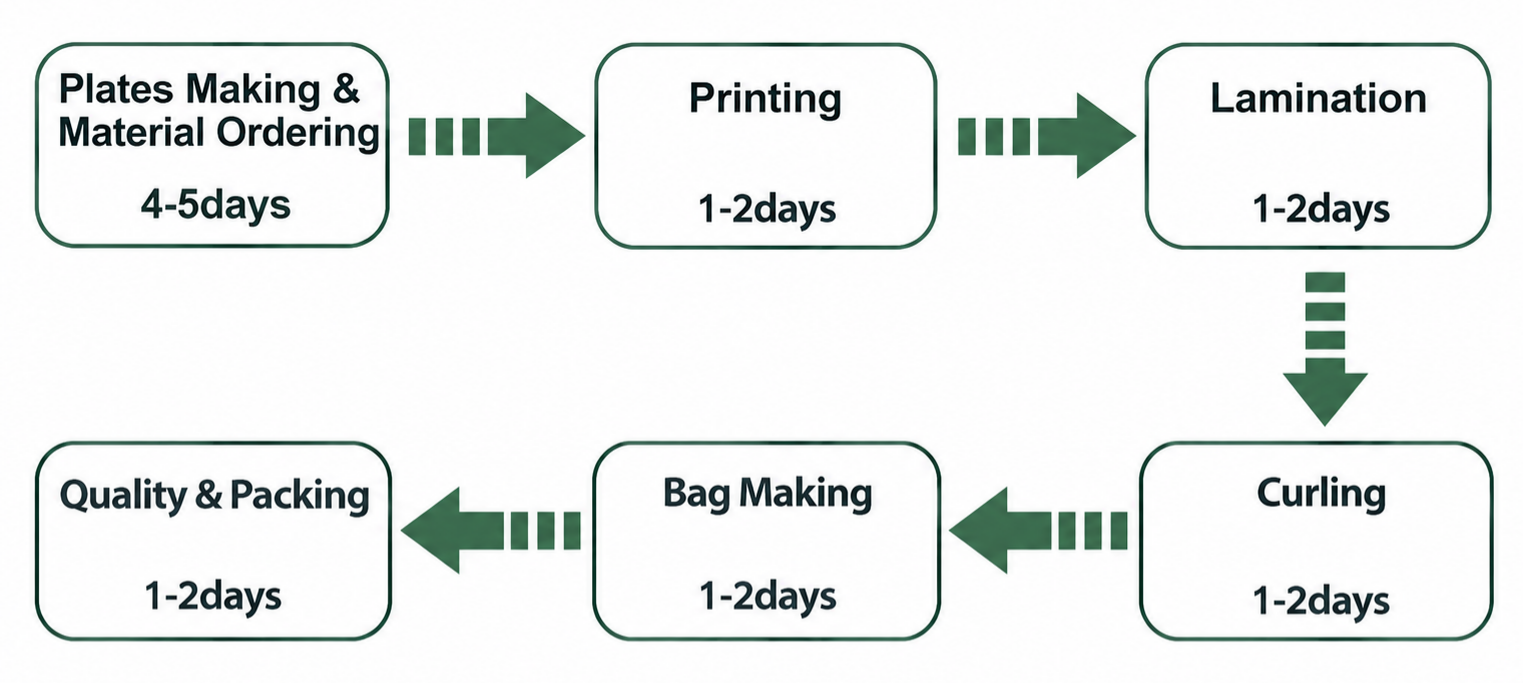
From First Idea to Finished Packaging
Take a look at the steps behind a custom packaging order before starting your own project.
See How It Works
Need Help Choosing the Right Packaging?
Tell us what you are working on. Our team can discuss materials, formats, printing, and production requirements with you.
Discuss Your Requirements
750工厂

Tuobo Packaging-Your One-Stop Solution for Custom Paper Packaging

Founded in 2015, Tuobo Packaging has quickly risen to become one of the leading paper packaging manufacturers, factories, and suppliers in China. With a strong focus on OEM, ODM, and SKD orders, we have built a reputation for excellence in the production and research development of various paper packaging types.


TUOBO

ABOUT US

16509491943024911

2015 founded in

16509492558325856

 10 years experience

16509492681419170

3000 workshop of

tuobo product

Need packaging that speaks for your brand? We’ve got you covered. From Custom Paper Bags to Custom Paper Cups, Custom Paper Boxes, Biodegradable Packaging, and Sugarcane Bagasse Packaging — we do it all.

Whether it’s fried chicken & burger, coffee & beverages, light meals, bakery & pastry (cake boxes, salad bowls, pizza boxes, bread bags), ice cream & desserts, or Mexican food, we create packaging that sells your product before it’s even opened.

Shipping? Done. Display boxes? Done. Courier bags, courier boxes, bubble wraps, and eye-catching display boxes for snacks, health foods, and personal care — all ready to make your brand impossible to ignore.

One-stop. One call. One unforgettable packaging experience.

What we can offer you…

Best Quality

We have rich experience in the manufacture, design and application of coffee paper cups, and served more than 210 customers from worldwide.

Competitive Price

we have an absolute advantage in the cost of raw materials. Under the same quality, our price is generally 10%-30% lower than the market.

After-sale

We provide 3-5 years guarantees policy. And all cost by us will be on our account.

Shipping

We have best shipping forwarder, available to do Shipping by Air express, sea, and even door to door service.


Post time: Sep-30-2026