When you are sourcing custom paper bags wholesale, getting the right color across an entire order is just as important as approving the design. Color differences become even more costly when a large shipment arrives or a repeat order fails to match the previous batch.
So, what causes color shifts in paper bag printing, and how can you prevent them? This guide covers the key factors behind print color differences and what to check with your supplier before production begins.
1. Why Do Color Differences Occur in Paper Bag Printing?
Color differences can start with the paper itself. They can also appear during printing. Even the lighting in a warehouse can change how a printed color looks.
Paper Material and Surface Differences
Paper does not give every ink color the same appearance. White coated paper usually has a smooth surface. It allows printed details and colors to look sharper. Uncoated paper absorbs more ink, so the same artwork may look softer or less vivid.
Brown kraft paper creates another challenge. Its natural brown tone affects the ink color. A light pink, for example, may look warmer or darker on kraft paper than on white paper. White ink can help create a brighter base, but it may not produce the same result as printing on white stock.
Paper batches can also vary slightly in shade and surface texture. These differences may seem small before printing. Once the supplier applies a large area of solid color, they can become easier to notice.
Changes During Production
The first printed bag does not always look exactly like the last one. Ink coverage, machine speed, pressure, and drying conditions can affect the final result. If the ink layer changes during a long production run, the color may shift from one section of the order to another.
Ink preparation matters, too. Your supplier needs to follow the approved color reference and use the correct ink formula. Small adjustments during production can change the result, especially with large solid-color areas.
Digital artwork also needs proper color preparation. A screen displays color through RGB light. Most printing processes use CMYK inks or spot colors. The printed result cannot reproduce every color that a screen can display. A color that looks bright on a monitor may appear duller on paper.
Lighting and Visual Inspection
The same printed bag can look different under daylight, warehouse lighting, and warm indoor lights. This does not always mean the printer made a mistake. Different light sources can change how people perceive a color.
For a fair comparison, you can place the approved sample next to the finished bags under the same lighting. View them from the same angle and focus on the main printed area rather than judging the color based on a small detail alone.
At TUOBO, we use advanced production technology and strict quality control procedures to keep colors as close as possible to your requirements, regardless of the paper material. So, whether you need kraft paper bags in bulk or custom white cardboard paper bags wholesale, contact us today!
2. How Do Different Paper Types and Printing Methods Affect the Final Color?
Your paper choice and printing method both influence color performance. Before you approve the artwork, consider the surface you plan to print on and the quantity you need.
| Material or Printing Method |
Effect on Printed Color |
| White coated paper |
Smooth surface. Colors usually look sharper and more vivid. |
| White uncoated paper |
Absorbs more ink. Colors may look softer or less saturated. |
| Brown kraft paper |
Natural brown background changes the appearance of printed colors. |
| Flexographic printing |
Suits many bulk paper bag orders. Ink coverage and paper absorption affect the final shade. |
| Offset printing |
Handles detailed artwork and color transitions well. Paper surface and ink control still matter. |
| Digital printing |
Works well for shorter runs and variable artwork. Color output may differ from offset or flexo printing. |
There is no single printing method that guarantees a perfect color match. The right choice depends on your artwork, paper, order quantity, and color requirements.
If your design uses a large solid background, pay particular attention to ink coverage. If it contains small text or fine details, print clarity also matters. Discuss these points with your supplier before production. A sample on the actual paper stock will give you a more useful reference than a digital image alone. If you're unsure which printing method is right for your paper bags, take a look at our guide: Paper Bag Printing Methods: Offset, Flexo, Foil Stamping & More.
3. How Can You Tell Whether Your Custom Printed Paper Bag Supplier Has Reliable Color Management?
A supplier may tell you that they can match your colors. That statement alone does not tell you much. Ask how they check color before and during production. The answers will give you a better idea of their process.
1
Ask for a Physical Color Reference
Start with a printed sample. Your artwork file shows the intended design, but it cannot show exactly how the ink will look on the selected paper.
Ask your supplier to print the sample on the same paper type as the bulk order. Check the main colors, logo details, and solid print areas. If the bag uses kraft paper, make sure the sample also uses kraft paper. A sample on white paper will not give you a reliable comparison.
Keep the approved sample for future orders. It gives both sides a clear reference when you discuss color differences or plan a reorder.
2
Check Whether Your Supplier Uses Color Measurement
Visual checks help, but they do not always reveal small color changes. A spectrophotometer can measure printed color and provide CIE L*a*b* values. These values describe color through three dimensions: lightness, red-to-green, and yellow-to-blue.
You can also ask whether your supplier uses Delta E (ΔE) to compare the printed result with the approved reference. A lower ΔE value generally indicates a closer color match.
Do not focus on the number alone. The paper surface and the measurement conditions also matter. Ask your supplier which reference they use and how they take measurements.
3
Agree on Color Tolerance Before Production
You should discuss acceptable color variation before approving a bulk order. Do not wait until the bags arrive to talk about tolerances.
For example, you and your supplier might agree on a target of ΔE≤3 for a standard order. A more demanding project may require a tighter target, such as ΔE≤2. These figures serve as possible agreement points, not universal printing standards. The actual target should reflect the paper, printing method, artwork, and measurement conditions.
Make sure both sides understand the same reference. A signed sample, agreed color values, and a written tolerance give you a clearer basis for inspection.
4
Ask How the Supplier Checks the Production Run
A supplier should not rely on the first printed bag alone. Ask how the team checks color as the order moves through production.
The team can compare printed bags with the approved sample at regular intervals. It can also measure key color areas when the project requires closer control. If the shade starts to drift, the team needs to check the ink and printing conditions before the difference affects more bags.
5
Think About Your Next Reorder
Your first order may look right, but what happens when you order again? Ask whether your supplier keeps the approved sample and relevant production details for repeat orders.
This matters if you order the same paper bags several times a year. You do not want each shipment to develop a noticeably different shade. A clear reference gives your supplier a better starting point for the next production run.
4. How TUOBO Controls Color Consistency During Paper Bag Production
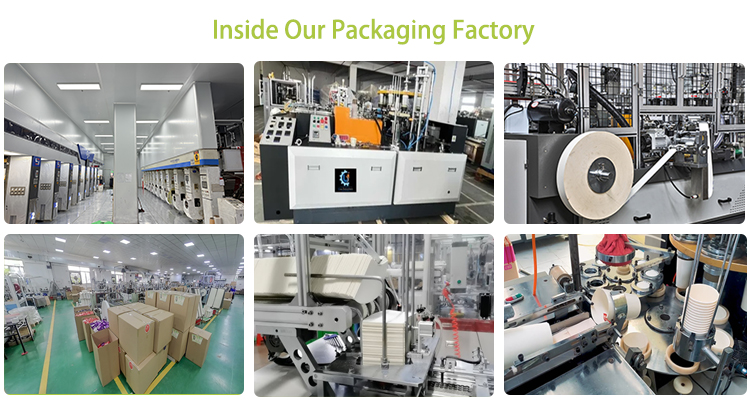
At TUOBO, color consistency starts with the printing process itself. We use advanced printing equipment and follow set production procedures to keep color variation under control. The approved sample remains our reference throughout the order.
Use Advanced Printing Equipment
TUOBO uses advanced printing machines with precise control over ink transfer and printing pressure. This helps keep ink coverage even across the bags. On large orders, machine stability becomes especially important. A small change during a long print run can affect the shade across hundreds or thousands of bags, so consistent machine performance matters.
Adjust Printing for Different Paper Types
White coated paper and brown kraft paper don't absorb ink in the same way. That's why using the same ink formula on both materials may lead to different results. We adjust the ink formula and printing settings to suit the paper, then check test prints against the approved sample. If the shade is off, we make further adjustments before bulk production begins.
Monitor and Correct Color During Production
We don't rely on the initial test print alone. As production continues, we take regular samples and compare them with the approved reference. If the color starts to drift, printing stops. We check the cause, adjust the machine or ink as needed, and run another test print. Only after the result meets the agreed color requirements do we continue the order. Before mass production begins, we also carry out dedicated calibration of the printing equipment, setting key parameters such as ink volume, printing pressure and paper feed speed to prevent equipment fluctuations from causing background color variations.
Strict Quality Control
We use professional spectrophotometers to check color differences and can keep them within ΔE ≤ 1, making any variation almost impossible to notice with the naked eye. Every finished paper bag is checked under both standard lighting and natural light to make sure the colors look consistent in different settings, including retail displays and everyday use. This helps us catch color issues before shipment and keep defective bags out of your wholesale paper bag order.
Maintain Consistency Across Repeat Orders
A repeat order shouldn't have to start from scratch. TUOBO keeps approved samples and production records, including the paper specifications, ink formula and printing settings used for previous orders. When the same bags are ordered again, we refer to those records. If the paper or artwork has changed, we review the new requirements before production rather than simply reusing the old settings.
5. How Should You Handle Color Differences After Receiving Paper Bags in Bulk?
Your bags have arrived, but the color does not look quite right. Before reaching a conclusion, check the difference carefully. A consistent inspection gives you better information to discuss with your supplier.
Compare the Bags Under the Same Lighting
Start with the approved sample. Place it next to the delivered bags under the same lighting conditions. Avoid comparing a sample under daylight with finished bags under warm warehouse lights.
Look at the same printed area on each bag. Check whether the difference affects the whole design or only certain sections. A slight change in the background color may have a different cause from uneven ink coverage in one area.
Check More Than One Carton
Do not judge the entire order from a single bag. Take samples from several cartons, including cartons from different parts of the shipment if possible.
This helps you see whether the color difference affects the whole order or only a small batch. You can also check whether the bags within each carton show a similar result. If only a few bags look different, record that separately.
Keep Samples and Order Details
If you find a clear difference, keep the affected bags. Do not discard them before your supplier reviews the issue.
Take photos under consistent lighting. Record the order number and carton details. If you have color measurement data, include the ΔE values and the reference used for comparison.
Send this information to your supplier. Clear evidence makes it easier to review the issue and discuss the next step.
Ask Your Supplier to Review the Production Records
Your supplier can compare the delivered bags with the approved sample and check the production details. The review may cover the paper batch, ink preparation, and printing conditions.
Once both sides understand the cause and the affected quantity, you can discuss a suitable solution.
Record the Result for Your Next Order
If you plan to reorder the same paper bags, keep a record of the issue and the agreed correction. Note the approved sample, color target, and any changes your supplier recommends.
This gives the next order a clearer starting point. It also helps both sides avoid repeating the same problem.
Conclusion
Color differences in paper bag printing can come from the paper, ink, printing process, or inspection conditions. A digital artwork file alone cannot guarantee the final printed color. You need a physical sample and clear color requirements before bulk production starts.
When ordering custom paper bags in bulk, discuss color tolerance with your supplier early. Ask how the team checks the first printed bags and monitors color during the run. Keep the approved sample for future comparisons, especially if you place repeat orders.
At TUOBO, you can discuss your paper choice, printing requirements, and color expectations with our team before production. Our mission is to help businesses save time and money with high-quality custom packaging for every product, so you can bring products to market faster and boost sales! Contact us today and let us show you how to make your packaging stand out.